
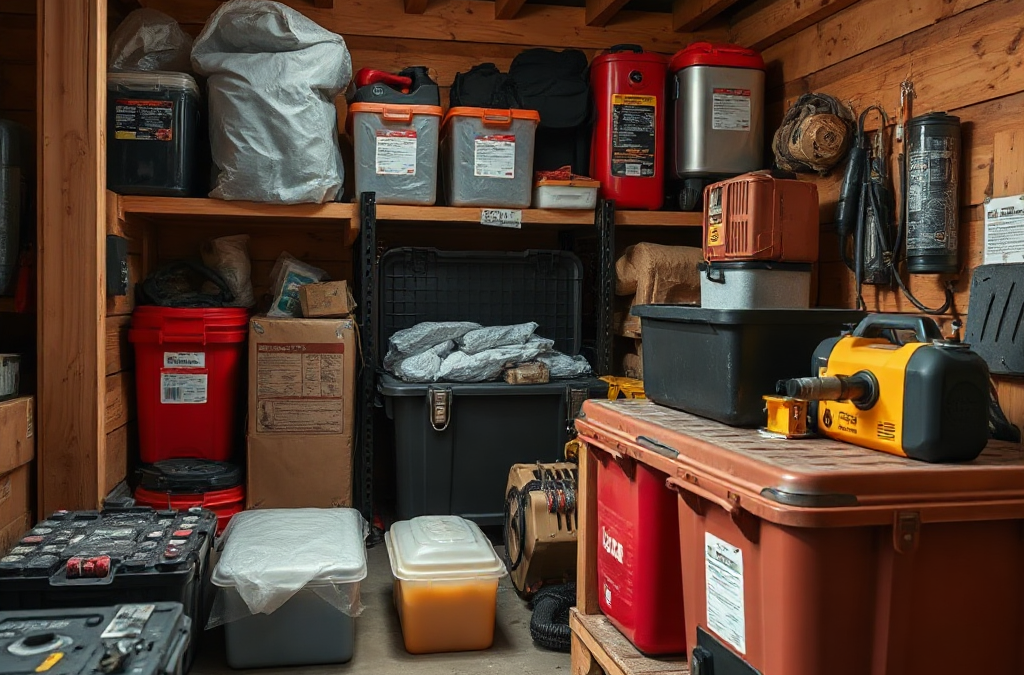
Maintaining preparedness equipment through seasonal storage means inspecting, cleaning, testing, and repacking supplies so moisture, battery leakage, corrosion, temperature swings, and fuel aging do not create failures when equipment is needed. Rotate consumables by expiration date, remove batteries from devices that will sit unused, keep sensitive electronics in dry stable conditions, and follow manufacturer instructions for fuel, filters, chargers, and tools. Seasonal storage is not simply putting gear on a shelf; it is a controlled change in storage conditions followed by a functional check. Labeling containers with inspection dates and testing a small set of critical items first helps reveal problems before the next weather-related disruption.
What Seasonal Storage Can Damage
Seasonal storage changes the conditions surrounding preparedness equipment, even when the equipment is not being used. Heat can accelerate battery discharge, degrade plastics, and shorten the useful life of adhesives. Cold can reduce battery performance and make some materials brittle. Humidity encourages corrosion on metal tools, electrical contacts, stove parts, and fasteners, while repeated temperature changes can cause condensation inside sealed cases or containers.
The most useful distinction is between storage damage and use-related wear. A lantern may look clean but fail because a battery leaked onto its contacts. A hand tool may appear serviceable but have surface rust beneath a fabric cover. A water container may remain intact while its cap seal hardens or its stored water reaches its recommended replacement date. These failures are easy to miss when inspection means only opening a tote and checking whether everything is still present.
Storage location matters as much as the container. A basement with periodic dampness, an uninsulated shed, and a climate-controlled closet impose different risks. Garage storage may be convenient for heavy equipment, but fuel, batteries, medications, and temperature-sensitive electronics may require another location. Moving everything indoors is not always practical or necessary; separating vulnerable components from rugged equipment often gives a better result.
A common mistake is treating seasonal maintenance as a single annual chore. A generator, for example, may need fuel-specific attention, periodic operation, oil checks, and manufacturer-directed servicing rather than one visual inspection. Likewise, a first-aid kit can lose usefulness through expired sterile items or dried antiseptic products even though the pouch itself is undamaged. Use the guidance at maintaining preparedness equipment through seasonal storage as a recurring equipment-control task, not a one-time packing event.

A Practical Inspection And Cleaning Sequence
Inspect equipment in the order it would matter during an actual disruption: communication, lighting, water handling, shelter, cooking, tools, and replacement supplies. This order helps a household find high-consequence failures before spending time reorganizing less urgent items. Put the equipment on a clean, dry surface and compare the contents with an inventory rather than relying on memory.
Begin by checking for moisture, odor, corrosion, cracked housings, loose closures, insect activity, and damaged packaging. Open cases and pouches instead of inspecting only their exteriors. Remove dust with a dry or slightly damp cloth when the manufacturer permits it, then allow components to dry fully before repacking. Do not apply oil, solvent, or household cleaner to electrical contacts, rubber seals, water containers, or fuel systems unless the product instructions identify it as suitable.
Testing should match the equipment. A radio should power on and receive a signal; a headlamp should operate through its modes; a water filter should be checked for damaged connections and stored according to its instructions; and a manual can opener should actually engage a test can if that can be done safely. A tool that passes a visual check may still have a seized hinge, flattened gasket, blocked filter, or weak switch.
Use a compact maintenance record with four entries: item, condition, action taken, and next check date. If an item fails, mark it as unavailable rather than returning it to the container with a vague note. The preferred repair may be cleaning, a replacement seal, a fresh battery, or a manufacturer-approved part. Replacement is more sensible when plastic is brittle, corrosion has affected a structural or electrical part, or the item cannot be tested reliably.
- Keep: clean, dry, complete equipment that passes a functional test.
- Repair: items with a defined, affordable fix and available parts.
- Quarantine: leaking, contaminated, fuel-damaged, or uncertain items until safely assessed.
- Replace: equipment whose failure could affect water, communication, lighting, or safe cooking.
The weak assumption to avoid is that a sealed plastic bin automatically prevents damage. A bin reduces dust and may limit minor water exposure, but trapped humidity can remain inside it. Drying equipment before closure, using suitable desiccant where appropriate, and avoiding direct contact between metal parts and damp fabric are more useful than adding another outer container.
Batteries, Electronics, And Lighting Equipment
Batteries deserve a separate seasonal check because leakage and self-discharge can damage both the power source and the device. Remove disposable batteries from equipment that will not be used for an extended period unless the manufacturer specifically directs another practice. Store replacement batteries in their original packaging, away from loose metal objects, and check for swelling, corrosion, damaged wrappers, or leakage.
Rechargeable power stations, handheld radios, lanterns, and battery packs need a different approach. Follow the maker’s instructions for storage charge, temperature limits, charging intervals, and transport. Do not assume a power bank is ready because its indicator lights turn on; capacity may be reduced after long storage, and an aging pack may become unsafe. Inspect cables and charging adapters for crushed insulation or bent connectors before energizing the device.
Humidity and condensation create problems at the contact points where batteries, switches, and circuit boards meet. Moving a cold radio into a warm room and powering it immediately can expose internal parts to condensation. Let equipment reach room temperature while protected from direct moisture before testing it. If liquid has entered an electronic device, stop using it and consult the manufacturer’s instructions rather than repeatedly applying power.
Lighting equipment illustrates the difference between storage convenience and readiness. A flashlight with batteries installed is quick to grab, but it carries leakage risk. A flashlight stored empty with spare batteries in a labeled pouch takes slightly longer to deploy but is often easier to maintain. A practical compromise is to keep one frequently checked light assembled and store backup lights without disposable cells. Test brightness, switches, charging ports, and spare bulbs or compatible lamps where those parts apply.
Do not mix old and new disposable batteries, or different chemistries, in the same device. A partially depleted cell can cause uneven performance, and mixed batteries may discharge unpredictably. Keep a record of the battery type required by each device; this prevents a seasonal shopping trip from producing incompatible substitutes. The maintaining preparedness equipment through seasonal storage checklist should identify power sources separately from the devices they serve.
Water, Fuel, Tools, And Consumable Supplies
Water and fuel require different storage decisions, so they should not be managed as one category. Store drinking water in containers intended for that purpose, protected from direct sunlight and damaging temperature extremes, and replace or treat it according to the container maker’s directions and local guidance. Inspect caps, seams, and container surfaces for leaks or deformation. A container that has been exposed to chemicals, strong odors, or uncertain contamination should not be treated as automatically safe because it still holds liquid.
Fuel storage depends on the fuel type, equipment, container, ventilation, and applicable local rules. Use only approved containers and follow the equipment manufacturer’s instructions. Seasonal inspection should look for odor, swelling, corrosion, damaged caps, and evidence of leakage. Never bring fuel containers into living areas, and do not test a fuel-burning appliance in an enclosed space. Fuel that has aged beyond the manufacturer’s recommended interval may produce poor starting, deposits, or unsafe operation; disposal should follow local hazardous-material guidance rather than being poured onto the ground or into a drain.
Hand tools usually tolerate storage better than electronics, but they still need attention. Wipe moisture from metal surfaces, inspect cutting edges and handles, and check that folding tools lock correctly. Light corrosion on a noncritical surface may be addressed according to the tool maker’s instructions, while deep pitting, loose handles, or damaged locking mechanisms justify replacement. A shovel kept in a damp shed may need more frequent inspection than the same shovel stored in a dry utility room.
Consumables should be rotated by use rather than hidden behind newer purchases. Place the earliest expiration dates where they are visible, and record dates for water-treatment products, batteries, chemical light sticks, filters, sterile dressings, sanitation items, and shelf-stable foods. Packaging that is swollen, torn, wet, insect-damaged, or unusually odorous should be removed from service. Expiration dates do not mean every item becomes hazardous at midnight, but they do signal that the maker’s quality, sterility, potency, or performance expectation may no longer apply.
A seasonal reset is also a chance to compare equipment with household needs. A compact stove may suit short outages but be inadequate for a larger household; a high-capacity filter may be useful at home but too heavy for evacuation. Choose replacements based on the scenario, storage environment, and ability to operate the item safely—not merely on advertised capacity.
Labels, Rotation Dates, And The Next Seasonal Check
A reliable storage system makes the next inspection obvious. Label each container with its contents, storage location, last inspection date, and the next action due. Put a short equipment card inside the lid for items with model-specific requirements, such as filter replacement, battery chemistry, fuel type, charging procedure, or cleaning restrictions.
Separate supplies by maintenance behavior rather than by appearance. One container can hold dry hand tools and repair hardware, while another holds electronics and power accessories. Water-treatment supplies, fuels, and food should remain distinct from items that could absorb odors or become contaminated. Keeping a small, frequently accessed kit apart from long-term reserve stock also reduces the chance that routine use will quietly deplete the reserve.
Use the first seasonal inspection to establish priorities. If time is limited, test lights, radios, water-handling equipment, cooking equipment, and any device needed for medical or accessibility reasons. Then address storage conditions, batteries, fuel, and consumable dates. A complete inventory is useful, but a perfect inventory that never tests critical equipment offers less protection than a smaller kit that is known to work.
Compare the next inspection date with the season’s likely hazards. Cold-weather storage may call for attention to freeze exposure, heating equipment, and battery behavior. Warm-weather storage may raise concerns about heat, humidity, pests, and water loss. Severe-weather alerts or an impending move justify an additional check rather than waiting for the calendar.
Failure signs include repeated battery leakage, unexplained corrosion, damp packaging, missing accessories, fuel odor, and equipment that works only intermittently. Those patterns point to a storage-location or maintenance-process problem, not merely bad luck. Move vulnerable items, change the container arrangement, or revise the inspection interval. A written record turns seasonal maintenance into a feedback loop: the equipment’s condition tells you whether the storage method is working.
Frequently Asked Questions
How often should preparedness equipment be inspected?
Inspect equipment at least when seasons change, and check batteries, fuel, water, and frequently used supplies more often when their instructions require it or storage conditions are harsh.
Should batteries be removed from stored emergency devices?
Remove disposable batteries from devices that will sit unused unless the manufacturer says otherwise. Store compatible replacements safely and test the device after installing fresh cells.
What is the best place to store emergency equipment?
Use a dry, accessible location with stable temperatures when possible. Keep fuel, sensitive electronics, medications, and other temperature-sensitive items in locations appropriate to their specific instructions.
Can emergency supplies stay in a sealed plastic bin?
Yes, a suitable bin can reduce dust and minor exposure, but equipment must be dry before packing. A sealed bin can trap humidity and should not be treated as a substitute for inspection.
When should stored preparedness equipment be replaced?
Replace items with structural damage, unsafe leakage, deep corrosion, unreliable operation, expired sterile contents, or no practical manufacturer-approved repair.
Further Reading
Authoritative Sources
- Academy of Nutrition and Dietetics
eatright.orgProfessional nutrition guidance, healthy eating resources, and practical dietitian-reviewed advice.
- U.S. Department of Agriculture
usda.govOfficial food, nutrition, agriculture, and consumer guidance from the USDA.
- NIH Office of Dietary Supplements
ods.od.nih.govResearch-based fact sheets on nutrients, supplements, dietary intake, and safety considerations.
- International Society of Sports Nutrition
sportsnutritionsociety.orgEvidence-informed sports nutrition resources and position stands for active people and athletes.
Conclusion
Seasonal storage works best as a readiness reset rather than a packing exercise. Inspect the storage environment, clean and dry equipment, test critical functions, isolate batteries and fuel appropriately, and rotate consumables before they become unusable. Prioritize communication, lighting, water handling, cooking, and accessibility-related equipment when time is short. Labels showing the last check and next action make maintenance easier for everyone in the household, while a written record exposes recurring problems such as dampness or battery leakage. Adjust the storage location or inspection frequency when those patterns appear. A modest kit that is complete, tested, and stored according to its materials is more dependable than a larger collection left unchecked through changing temperatures and humidity.
Related Content
- How to Cope with Isolation During Emergencies
- The Ultimate 2025 Guide to Preparedness for Biological Threats: Top Strategies & Tips
- How to Stock for Emergencies: Essential Foods and Supplies Checklist
- From Chaos to Control: Mastering the Art of Disaster Preparedness
- Emergency Situation And Catastrophe Readiness List And Kit




