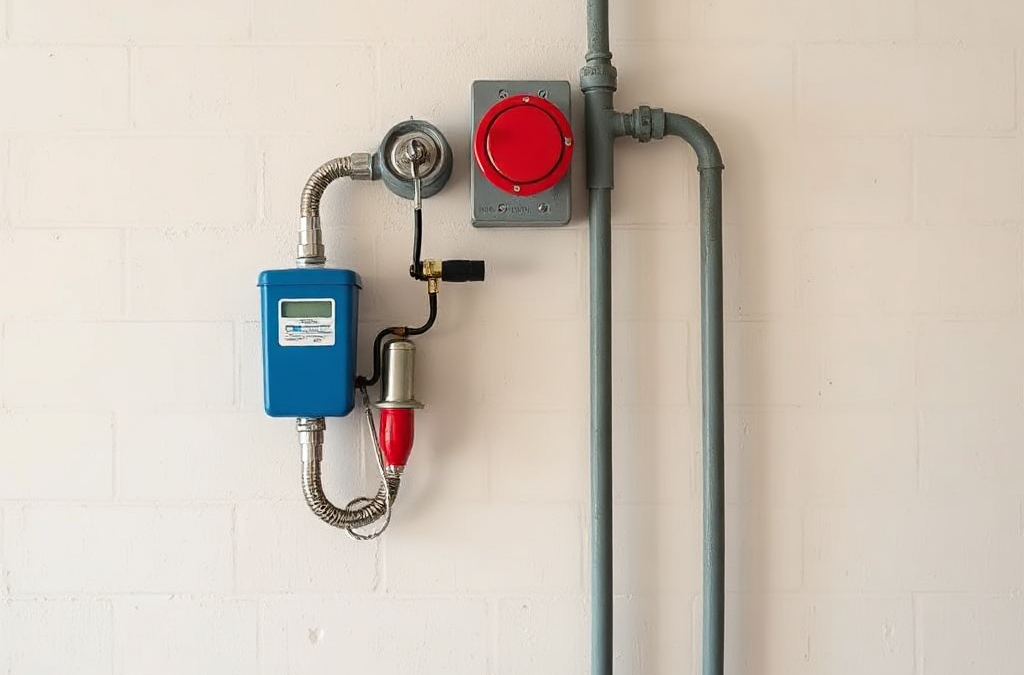
Securing utility shutoffs before an unplanned departure means identifying the home’s water, gas, electricity, heating, and fuel controls, then closing only the systems that can safely remain off while confirming that essential alarms, medical equipment, or freeze protection still operate. Water is often the first priority because a failed pipe can continue causing damage after the property is empty; gas and fuel controls require extra caution if leaks, flames, or combustion equipment are involved. Photograph each valve or breaker position, label unfamiliar controls, and record the utility provider’s emergency number. Never enter a hazardous area or force a stuck control—leave it for the utility company or a qualified professional.
Prioritizing Water, Gas, Electricity, and Heat
Utility shutoffs should be handled according to the type of damage each system could cause while the property is unattended. Water commonly deserves early attention because a split supply line, failed washing-machine hose, or leaking water heater can release water for hours. Gas and liquid-fuel systems carry a different risk: an unusual odor, hissing sound, damaged appliance, or suspected leak is not a routine shutoff task. Leave the area, avoid switches and flames, and contact the utility provider or emergency services from a safe location.
Electricity requires a more selective decision. Turning off the main breaker may reduce electrical hazards, but it can also disable sump pumps, security systems, internet-connected leak sensors, refrigeration, medical equipment, or heating controls. A blanket shutdown is therefore not automatically safer than isolating selected circuits. Before leaving, identify which systems must remain energized and whether someone can monitor them. A vacant home in freezing weather may need heat, while a summer property with no essential equipment may have fewer reasons to retain power.
Heat and fuel decisions depend on the building, season, and equipment. Shutting down a boiler or furnace may be reasonable when freezing is not a concern, but turning off heat in cold conditions can allow pipes, sprinkler components, or appliances to freeze. Conversely, leaving a malfunctioning combustion appliance operating because the home needs heat can create a greater hazard. The useful comparison is not “everything on” versus “everything off”; it is essential service versus avoidable exposure.
Use this priority order when time is limited: address immediate gas or electrical danger first from a safe location, stop uncontrolled water flow where access is safe, preserve power for essential equipment, and then adjust heating or fuel systems for the weather. A written securing utility shutoffs before an unplanned departure note can prevent a helper from disabling a pump or alarm without realizing its purpose.

Finding and Operating the Correct Shutoffs
Knowing that a shutoff exists is not enough; the control must be identifiable, reachable, and operable without confusion. The main water valve may be near the meter, where the service line enters the building, or in a utility area. Individual valves may serve toilets, sinks, appliances, or outdoor faucets. Gas service commonly has a provider-controlled meter valve and, in some installations, appliance-level valves. Electrical control is usually divided between the service disconnect and branch breakers.
Before an unplanned departure, walk the property when conditions are calm and photograph each relevant control with its location visible. Add a label such as “main water,” “water heater,” “furnace,” or “sump pump circuit,” but do not label a control based on guesswork. A breaker that appears to serve a basement may also supply a freezer or alarm. Test one circuit at a time and record what changes. If the panel is not clearly marked, a licensed electrician can identify circuits more reliably than a hurried departure-time experiment.
Valves also have operating limits. A quarter-turn ball valve is generally open when the handle aligns with the pipe and closed when it crosses the pipe, but older gate valves may require several turns and can become stuck. Do not use excessive force, pipe extensions, or improvised tools; breaking a valve can turn a preventive action into an active leak. If a water valve will not move, close the nearest accessible individual valve if that meaningfully reduces risk and arrange professional service later.
Do not assume that closing the main water valve drains the plumbing. Pressure may remain in lines, tanks may still contain water, and a water heater can be damaged if its supply is closed while its heating source remains active under unsuitable conditions. If draining is necessary, follow the equipment manufacturer’s procedure or ask a plumber. The same caution applies to gas appliances: do not dismantle fittings or attempt to “test” a suspected leak by using a flame.
A compact departure card should list the control’s location, its normal position, the equipment that must stay active, and the person authorized to operate it. This makes the record useful to a neighbor or property manager without encouraging unsafe improvisation.
Protecting the Home From Secondary Damage
Shutting off one utility can create a new problem if connected systems are ignored. Water isolation may stop supply pressure but leave water in pipes, appliance hoses, toilets, and storage tanks. Electricity isolation may stop a leak detector or alarm. Fuel isolation may interrupt heat that protects plumbing from freezing. Each action should be checked against the equipment that depends on it.
For a short departure in mild weather, closing the main water valve and leaving necessary electrical circuits active may be a sensible compromise. A longer absence may justify shutting down a water heater according to the manufacturer’s instructions, disconnecting vulnerable hoses, and arranging periodic inspection. In freezing conditions, the better approach may be to maintain safe heat, keep cabinet doors open where appropriate for warm-air circulation, and use a qualified professional to determine whether draining the system is suitable. The right choice changes with building design and duration.
Consider a home with a basement sump pump. Turning off the main breaker may eliminate some electrical exposure, but it also prevents the pump from removing groundwater after rain. A home with a gas furnace presents the opposite concern: leaving the furnace powered does not make it safe if the venting is damaged or the appliance is malfunctioning. These examples show why utility controls should be evaluated as a connected system rather than as isolated switches.
Before leaving, check for visible leaks, wet insulation, unusual odors, damaged cords, exposed wiring, and alarms showing a fault. Move valuable items away from floor-level plumbing where practical, secure outdoor hoses, and confirm that appliance valves are not slowly dripping. If a shutoff action triggers an alarm, changes a sump-pump status, or causes a temperature warning, record the change and decide whether a qualified person must intervene.
- Water: look for active leaks, appliance hoses, water heaters, and freeze exposure.
- Electricity: identify alarms, pumps, refrigeration, medical devices, and heating controls.
- Gas or fuel: respond to suspected leaks from outside the hazard area and use the provider’s emergency process.
The common mistake is treating a successful handle turn or breaker movement as proof that the property is safe. The meaningful test is whether the intended hazard was reduced without disabling a system that prevents a different loss.
Building a Departure Record and Handoff
A written record turns a rushed utility decision into something another person can verify. Record the date and time, the utility positions, visible conditions, equipment left operating, and any unresolved defect. Photos should show both the control and its surrounding location. A close-up of a breaker label without context may be useless to someone who has never entered the utility room.
Include provider names and emergency contact numbers from current bills or official account pages rather than relying on memory. Note whether the water meter, gas meter, generator, solar battery, or electrical panel has special access rules. Do not place account credentials in an exposed note. Give detailed instructions only to a trusted person, property manager, or professional who has a legitimate reason to enter.
Handoffs should distinguish observation from assumption. “Water valve closed at 6:20 p.m.; no active dripping seen” is stronger than “plumbing secured.” “Furnace left on for freeze protection; thermostat set according to the existing household setting” communicates both the action and the reason. If an alarm, pump, or medical device remains powered, name it explicitly so a helper does not mistake it for forgotten equipment.
When time is extremely short, use a minimum viable checklist rather than attempting unfamiliar repairs:
- Move away from suspected gas, smoke, sparks, or damaged electrical equipment.
- Close accessible water controls if they operate normally and doing so will not endanger another essential system.
- Preserve power and heat needed for life safety, freeze protection, pumps, alarms, or monitoring.
- Photograph control positions and record unresolved hazards.
- Notify the utility provider, emergency contact, landlord, or qualified contractor as appropriate.
Recheck the record when returning. If a valve, breaker, or appliance behaves differently from the documented state, do not force it back into service. A staged securing utility shutoffs before an unplanned departure routine is useful because it reveals missing labels and stuck controls before a real departure creates pressure.
Frequently Asked Questions
Should the main water valve be closed whenever a home is evacuated?
Closing it may reduce the risk of unattended plumbing damage, but first consider fire sprinklers, heating equipment, freeze conditions, and any system that depends on water. Follow local or professional guidance where those systems are present.
Can a homeowner shut off gas at the meter?
Do not operate a gas control if you smell gas, hear hissing, or suspect damage. Leave the area and contact the gas provider or emergency services. Routine appliance servicing should be handled by a qualified professional.
Does turning off electricity stop every electrical hazard?
No. Some equipment may have separate supplies, stored energy, batteries, generators, or solar systems. Damaged wiring should not be touched, and a qualified electrician or utility provider should assess uncertain conditions.
What should remain powered during an unexpected departure?
Potentially essential items include medical equipment, alarms, leak sensors, sump pumps, refrigeration, communications equipment, and heating controls. Identify each item before switching off a main breaker.
What if a shutoff valve is stuck?
Do not force it with a wrench extension or improvised tool. Use a safer accessible control only if its function is known, document the problem, and contact a plumber, utility provider, landlord, or property manager.
Further Reading
Authoritative Sources
- Ready.gov
ready.govOfficial household preparedness guidance, emergency plans, and supply checklist resources.
- FEMA
fema.govFederal emergency management information, disaster planning resources, and recovery guidance.
- American Red Cross Emergency Preparedness
redcross.orgPractical emergency preparation, safety, and response guidance for households.
- CDC Emergency Preparedness and Response
cdc.govPublic health guidance for disasters, emergency response, and recovery conditions.
Conclusion
Utility shutoffs are safest when they reduce an unattended hazard without disabling equipment that protects people or the building. Water isolation often deserves priority, but gas incidents require distance and professional response, while electricity and heat decisions must account for pumps, alarms, medical devices, refrigeration, and freezing temperatures. Photograph controls, label verified functions, record what remains active, and distinguish observed conditions from assumptions. A short practice inspection can expose stuck valves, unclear breaker labels, and missing emergency numbers before an unplanned departure occurs. If a control is unfamiliar, damaged, or located near a suspected leak or electrical danger, leave it alone and request qualified help rather than turning a rushed precaution into a larger failure.