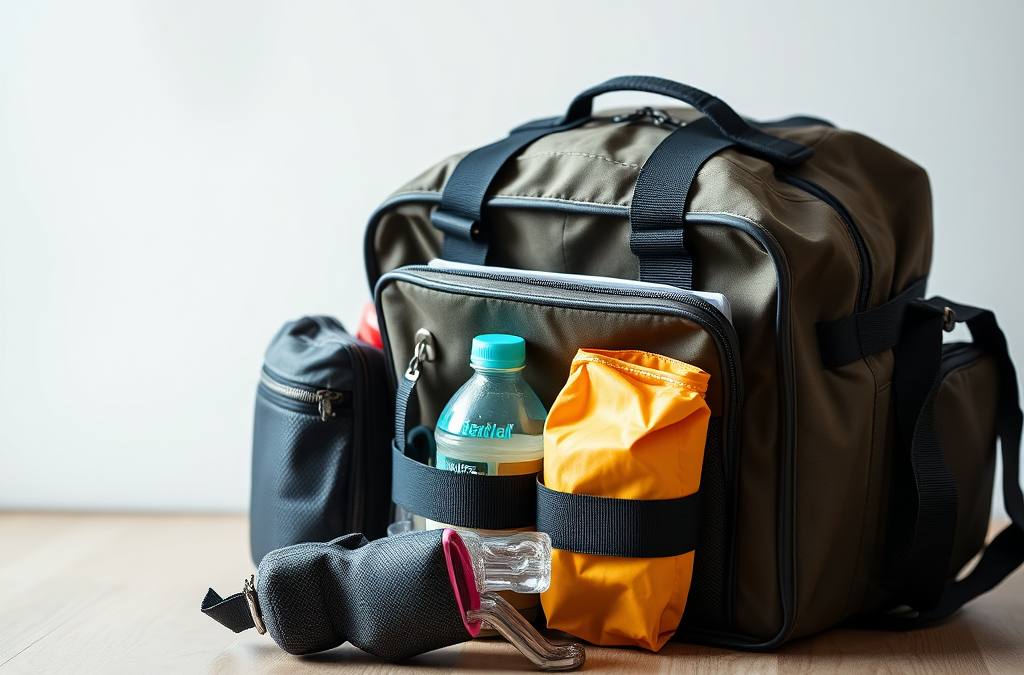
An evacuation bag for one adult should carry three days of water, ready-to-eat food, essential medication, weather protection, sanitation supplies, light, communication tools, and copies of critical documents without becoming too heavy to move quickly. Choose a durable backpack, pack items in waterproof pouches, and place frequently needed gear near the top. Include prescription medicine, glasses, a phone cable with a power bank, cash, identification, first aid supplies, and clothing suited to the season. Avoid filling the bag with bulky canned goods or specialized equipment you cannot use. Test the loaded pack by walking with it, then review expiration dates, clothing sizes, batteries, and local evacuation routes twice a year.
Set the Capacity Around Real Evacuation Conditions
An evacuation pack for one adult is a mobility system, not a household pantry. Its value comes from keeping one person functional while traveling to a shelter, hotel, friend’s home, or safer area during the first part of a disruption. The right capacity depends on the likely route, weather, transportation, access to water, and whether the bag supplements supplies already stored at a destination.
A backpack is usually more useful than a suitcase because it leaves both hands available and works over uneven ground. A large hiking pack may hold more, but added capacity often encourages overpacking. A medium, comfortable pack with a supportive waist belt is a better choice for many adults than a heavy tactical-style bag with unused external features. The practical test is simple: load it with the intended contents and walk stairs, board a vehicle, sit down, and lift it from the floor. Pain, shifting weight, or difficulty reaching essentials signals a design problem.
Think in layers rather than a single number of days. The first layer covers immediate movement: shoes, weather protection, light, identification, medication, water, and communication. The second supports an overnight stay: food, hygiene items, spare clothing, and sleep protection. The third covers disruption at the destination: extra charging capacity, documents, cash, and personal comfort items. This approach is more useful than blindly targeting a particular pack size.
A common mistake is treating the bag as a substitute for a home emergency supply. A portable pack cannot realistically carry all the water, cooking fuel, bedding, and food needed for prolonged sheltering. Keep the bag focused on evacuation and maintain larger supplies separately. Review the evacuation bag for one adult against the conditions you may actually face, especially stairs, public transit, winter temperatures, or a long walk.

Build the One-Adult Supply Priorities
The first priority is the person’s ability to move, communicate, take medication, and remain protected from weather. Water should be accessible, while food can be compact and shelf-stable. A headlamp or flashlight is more useful than relying on a phone light because it preserves phone battery and leaves hands free. A small first aid kit should address ordinary problems such as blisters, minor cuts, and pain relief rather than attempting to replace professional medical care.
Personal needs deserve more space than generic gear. Pack prescription medicines according to the person’s medical plan, along with glasses, contact-lens supplies if used, hearing-aid batteries, mobility supports, and a written list of medications and relevant contacts. Include menstrual products, incontinence supplies, or other items that may be difficult to obtain during an evacuation. A generic checklist often fails because it assumes every adult has the same health requirements.
Documents and money are compact but high-value. Use a sealed pouch for identification copies, insurance information, emergency contacts, medication details, and relevant property or vehicle information. Keep some cash in small denominations because card readers, ATMs, or mobile payment systems may be unavailable. Do not place every original document in the bag if losing it would create a larger problem; copies and secure digital backups may be the better balance.
Use a priority order when space is limited:
- Protect: seasonal clothing, rain protection, sturdy footwear, sun protection, and an emergency blanket.
- Function: water container, food, medication, first aid, light, power bank, and phone cable.
- Maintain: hygiene supplies, wipes, tissues, hand sanitizer, waste bags, and a small towel.
- Adapt: work gloves, a whistle, basic repair tape, a multitool where lawful, and a small notepad with a pen.
Overpacking specialist tools is a frequent failure mode. A person who has never used a water filter, radio, or complicated stove may carry equipment that adds weight without adding dependable capability. Choose simple gear, learn its operation, and keep instructions with unfamiliar items. For a more personalized comparison, the evacuation bag for one adult should reflect whether the person is driving, walking, using transit, or going directly to a known host.
Pack Water, Food, and Health Items Intelligently
Water planning requires a tradeoff between carrying weight and knowing where safe resupply may occur. Carry at least a practical starting supply in sturdy bottles or a hydration reservoir, then account for the route and destination. Water is heavy, so a person traveling on foot may need a replenishment plan rather than attempting to carry every possible need. Never assume a stream, fountain, or public tap is safe without appropriate treatment or reliable local information.
Food should be edible without refrigeration, cooking, or extensive cleanup. Dense options include energy bars, nut or seed packets, crackers, dried fruit, shelf-stable pouches, and ready-to-eat meals that match the person’s allergies and dietary needs. Rotate foods that tolerate heat and do not crumble into the rest of the pack. Canned food can be useful when a destination has a can opener, but heavy cans are often a poor choice for a walking bag. A small spoon and resealable bags can make several foods easier to manage.
Health supplies should be chosen around interruption risk. Medication should remain in its labeled packaging when practical, and the user should confirm storage requirements for heat, cold, or light-sensitive products. A compact first aid kit can include adhesive bandages, gauze, antiseptic wipes, blister treatment, gloves, and any routinely used over-the-counter products. It should not create false confidence about treating serious injuries; severe symptoms, major bleeding, breathing problems, or other urgent conditions require emergency medical help.
Pack items in separate waterproof pouches so a leaking bottle does not ruin documents, medication, or electronics. Keep one water bottle, light, and essential medicine where they can be reached without unpacking the bag. Test the food before relying on it. A bar that melts, causes stomach trouble, or is impossible to open is not a good emergency choice. The useful signal is not how impressive the inventory looks; it is whether the person can access and use the contents under fatigue, darkness, rain, or stress.
Food and water also need a destination plan. A person driving may carry more water in the vehicle and keep the backpack lighter, while someone walking may prioritize a comfortable load and a refill strategy. Someone heading to a public shelter may need hygiene items and identification more than cooking equipment. These choices make an evacuation bag for one adult more effective than a fixed checklist copied without regard to travel conditions.
Organize, Test, and Maintain the Bag
Organization determines whether the bag works when visibility, time, and attention are limited. Put high-use items in exterior or top compartments: phone power, light, medication, documents, water, and a rain layer. Place heavier objects close to the back and centered between the shoulders. Keep sharp tools covered, liquids sealed, and clothing compressed only enough to prevent wasted space. Label unfamiliar pouches with short descriptions rather than requiring a tired person to remember the entire layout.
Run a realistic test before storing the pack. Wear the shoes intended for evacuation, walk the expected distance, climb stairs, and attempt to retrieve medication or a flashlight without emptying the contents. Notice hot spots on the shoulders, water bottle leaks, strap movement, food packaging problems, and battery compatibility. If the bag is too heavy, remove duplicate tools and comfort items before removing medication, water, weather protection, or communication equipment.
Maintenance is a schedule, not a once-a-year glance. Check expiration dates on food, medication, batteries, and chemical products. Replace clothing that no longer fits, update contact information, and inspect zippers, straps, seals, and water containers. Seasonal changes matter: warm-weather clothing does little during a cold evacuation, while heavy winter layers may become burdensome in hot conditions. A twice-yearly review, plus a check before a known storm or travel period, catches many predictable failures.
Keep the bag where an adult can reach it quickly but not where heat, moisture, or unauthorized access can damage its contents. If a car is part of the evacuation plan, decide whether the bag stays at home, in the vehicle, or in both places. Do not store all capability in a vehicle that may be inaccessible because of road closures or a damaged garage. A small duplicate kit for the vehicle may be worthwhile, but duplication should not replace maintaining the primary bag.
The most misleading assumption is that possession equals readiness. A sealed pack that has never been worn, opened, or matched to a route may fail at the first practical test. Repack it after every use, record missing items, and ask whether each item solves a plausible problem for this specific adult. The final standard is dependable access, manageable weight, and equipment the user can operate without guesswork.
Further Reading
Frequently Asked Questions
How large should an evacuation bag for one adult be?
Choose a pack that holds essential supplies without making walking, stairs, or public transit difficult. A medium backpack is often more practical than the largest model available.
How much food should one adult pack?
Pack compact, ready-to-eat food for the expected travel and initial shelter period, commonly enough for about three days when feasible. Match choices to allergies, medical needs, heat exposure, and access to cooking.
Should water be stored inside the bag?
Yes, carry a practical starting supply in leak-resistant containers, but plan for resupply because water adds substantial weight. Keep containers sealed away from documents and electronics.
What personal items are easiest to forget?
Prescription medication, glasses, menstrual products, hearing-aid batteries, comfortable shoes, charging cables, and copies of identification are frequently missed by generic checklists.
How often should the bag be checked?
Review it at least twice a year and after every use. Check expiration dates, batteries, clothing fit, weather suitability, packaging, medication storage, and contact information.
Further Reading
Authoritative Sources
- Academy of Nutrition and Dietetics
eatright.orgProfessional nutrition guidance, healthy eating resources, and practical dietitian-reviewed advice.
- U.S. Department of Agriculture
usda.govOfficial food, nutrition, agriculture, and consumer guidance from the USDA.
- NIH Office of Dietary Supplements
ods.od.nih.govResearch-based fact sheets on nutrients, supplements, dietary intake, and safety considerations.
- International Society of Sports Nutrition
sportsnutritionsociety.orgEvidence-informed sports nutrition resources and position stands for active people and athletes.
Conclusion
A reliable one-adult evacuation bag is built around movement, health, weather, communication, and the first destination—not around collecting every conceivable gadget. Put personal medication and mobility needs ahead of generic equipment, carry food that can be eaten without cooking, protect documents and electronics from leaks, and keep the load comfortable enough to move with confidence. Test the loaded backpack on stairs and outdoors, then remove anything that adds weight without a clear use. Review the contents when seasons change and after any evacuation drill or real-world use. The next practical step is to lay out the bag beside the adult’s shoes, phone cable, medications, and identification, then pack and walk with it before an emergency makes the choices for you.
Related Content
- How to Use Natural Resources for Survival
- Readiness and Preparedness Compared by Measurable Outcomes: Tests, Timelines, and Decision Quality
- How to Prepare Your Children for Natural Disasters
- The Best Battery Operated Tools for Emergencies
- Prepping Your Home: Essential Steps for Effective Safety and Readiness