
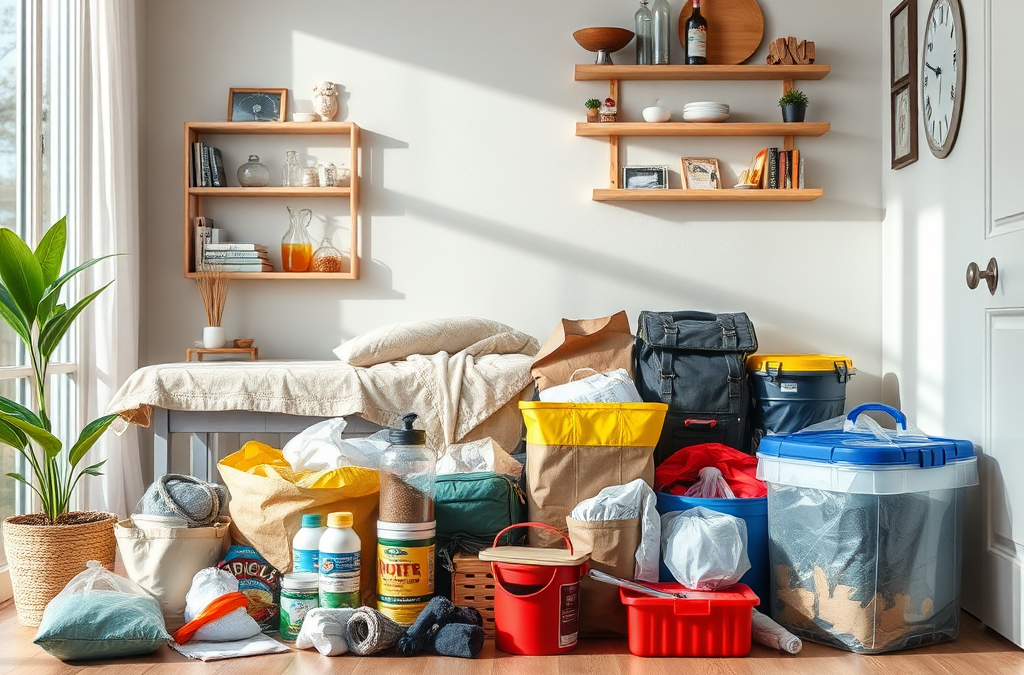
To prepare your home for unexpected emergencies, start by assembling a well-stocked emergency kit that includes enough supplies to sustain your family for at least 72 hours. Focus on gathering non-perishable food, water (one gallon per person per day), a first aid kit, and essential tools like flashlights and batteries. It's also vital to establish a clear communication plan so that all family members know how to reach each other during a crisis. Regularly practicing emergency drills can help everyone understand their roles and reduce panic when an emergency occurs. Remember, being proactive in your preparedness efforts can significantly enhance your family's safety and resilience in the face of unforeseen events.
Understanding the Importance of Emergency Preparedness
Preparing your home for unexpected emergencies is crucial for ensuring the safety and well-being of your family. Emergencies can arise suddenly, whether from natural disasters, power outages, or other unforeseen events. Understanding the risks specific to your area, such as floods, earthquakes, or severe weather, can help you tailor your preparedness efforts. A well-thought-out plan not only protects your loved ones but also minimizes panic and confusion during a crisis.
Many people underestimate the likelihood of emergencies occurring in their lives. Studies show that households without a preparedness plan are often less equipped to handle crises effectively. By taking proactive steps to prepare, you can avoid common pitfalls, such as not having essential supplies on hand or failing to communicate effectively with family members during an emergency.
Essential Supplies for Your Emergency Kit
An emergency kit is a vital component of your preparedness strategy. It should include supplies that can sustain you and your family for at least 72 hours. Start by gathering non-perishable food items, such as canned goods, granola bars, and dried fruits. Include a manual can opener in case the power goes out.
Water is another critical component; aim for one gallon per person per day. Don’t forget to pack a first aid kit containing bandages, antiseptics, and any necessary medications. Flashlights, batteries, and a battery-powered radio can help you stay informed and safe during power outages. Additionally, consider including personal documents, cash, and a map of your area to navigate if necessary.

Creating an Effective Communication Plan
In the chaos of an emergency, having a clear communication plan can make a significant difference. Start by designating a meeting place where family members can gather if separated. This could be a local landmark or a neighbor’s house. Next, ensure that everyone knows how to contact each other, including out-of-town contacts who can relay information if local communication systems fail.
It’s essential to have multiple communication methods in place. Encourage family members to keep charged mobile phones and consider investing in walkie-talkies for areas with poor cell service. Regularly review and update your plan to accommodate changes in your family’s routine or location, ensuring that everyone remains informed and prepared.
Practicing Emergency Drills
Regularly practicing emergency drills is crucial for reinforcing your preparedness plan. Schedule drills for various scenarios, such as evacuating your home during a fire or seeking shelter during severe weather. Involve all family members, including children, to ensure everyone knows their roles and responsibilities.
After each drill, take the time to discuss what went well and what could be improved. This reflection helps identify gaps in your plan and allows for adjustments. Practicing emergency scenarios builds confidence and ensures that your family can respond quickly and effectively when a real emergency occurs.
Frequently Asked Questions
What should I include in my emergency kit?
Your emergency kit should include water, non-perishable food, a first aid kit, flashlights, batteries, and important documents.
How often should I update my emergency preparedness plan?
Review and update your plan at least once a year or whenever there are significant changes in your household.
What is the best way to practice emergency drills?
Schedule regular drills for various scenarios and discuss the outcomes to improve your family’s response during real emergencies.
How can I keep my family informed during an emergency?
Establish a communication plan that includes meeting points and contact methods, such as mobile phones and walkie-talkies.
Why is emergency preparedness important?
Emergency preparedness ensures the safety and well-being of your family during unexpected events, reducing panic and confusion.
Further Reading
Authoritative Sources
- Ready.gov
ready.govThis resource provides comprehensive guidance on emergency preparedness, including checklists and planning tools.
- American Red Cross Preparedness
redcross.orgAccess vital information on emergency kits, communication plans, and safety tips from a trusted organization.
- FEMA
fema.govFEMA offers resources for disaster preparedness and recovery, helping individuals and families stay informed.
Further Reading
Authoritative Sources
- Library of Congress Research Guides
guides.loc.govResearch guides that help readers locate reliable background sources on a wide range of subjects
- USA.gov Official Information and Services
usa.govOfficial U.S. government information and public resources for practical reference
- Google Scholar
scholar.google.comAcademic search resource for finding research literature and source material
Conclusion
Preparing your home for unexpected emergencies is not just about gathering supplies; it involves creating a comprehensive plan that includes communication, practice, and regular updates. By prioritizing essential items in your emergency kit and developing a clear communication strategy, you can enhance your family’s preparedness and resilience. Regular practice through drills will ensure everyone knows their roles, leading to a more effective response during real emergencies. Take these steps seriously, and make emergency preparedness a family priority.
Related Content
- Household Preparedness Plan: Essential Steps for Effective Family Safety
- How to Evaluate the Effectiveness of Your Gear: Key Metrics and Real-World Testing
- Survival Cooking: Best Practices and Recipes
- How to Stay Informed During Disasters: Reliable Communication Channels and Strategies
- The Top 5 Emergency Survival Hacks You Need to Know




