
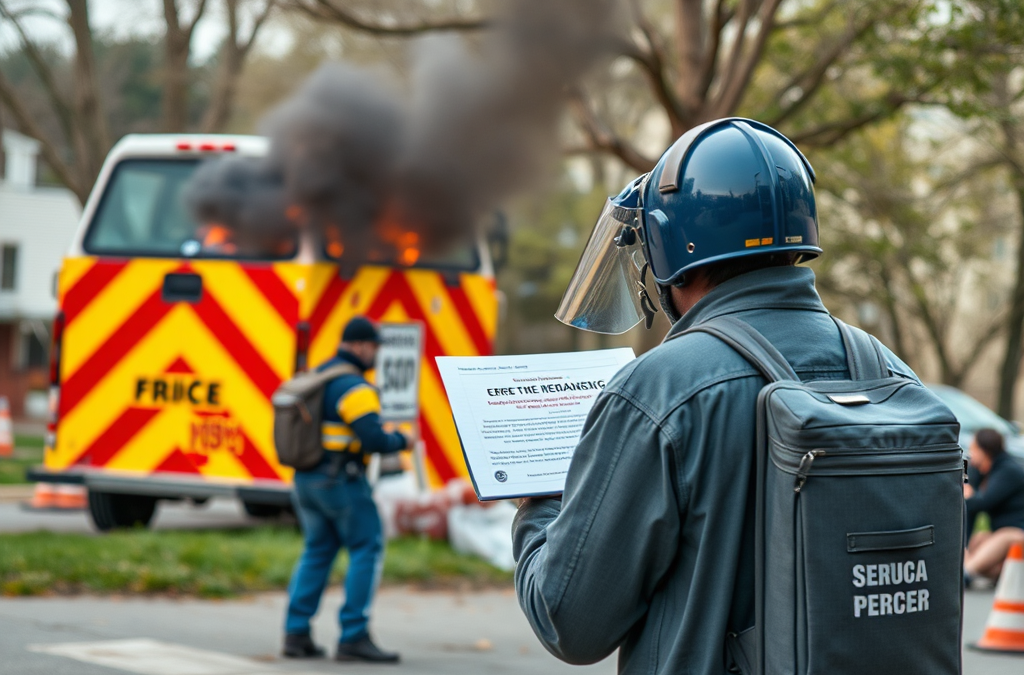
Misinformation significantly undermines emergency strategies by causing confusion and misallocation of resources. During crises, the rapid spread of unverified information can lead to public panic and ineffective responses, as seen during the COVID-19 pandemic. To counteract these effects, emergency management teams must prioritize clear communication and utilize trusted information sources. Establishing real-time verification processes and engaging with communities through transparent messaging can enhance public trust and compliance with safety measures. By addressing misinformation proactively, emergency responders can improve overall preparedness and community resilience during emergencies.
Understanding Misinformation in Emergencies
Misinformation refers to false or misleading information spread regardless of intent. In emergencies, this can manifest through social media, word of mouth, and even traditional media. During crises, the speed at which information circulates can outpace the verification process, leading to widespread panic and confusion. Recognizing the types of misinformation prevalent during emergencies is crucial for effective response strategies.
Common forms of misinformation include rumors, unverified claims, and sensationalized reporting. For instance, during natural disasters, rumors about safety measures or availability of resources can lead to public panic or ineffective evacuation efforts. Understanding these patterns helps emergency managers to anticipate and address misinformation proactively.
Consequences of Misinformation on Emergency Response
The consequences of misinformation during emergencies can be dire. Not only can it lead to significant public confusion, but it can also result in the misallocation of resources, as officials may focus on addressing false reports instead of real needs. For example, during the COVID-19 pandemic, misinformation about the effectiveness of masks and vaccines significantly impacted public health responses.
Moreover, misinformation can undermine trust in official communication channels. When the public encounters conflicting information, they may become skeptical of legitimate sources, leading to decreased compliance with safety protocols. This erosion of trust can hinder effective emergency management, resulting in higher risks and more severe impacts on communities.

Strategies to Combat Misinformation
To effectively combat misinformation, emergency management teams must implement clear communication strategies. Establishing a reliable source of information, such as a dedicated emergency response website or hotline, can help disseminate accurate details swiftly. Engaging with community leaders and influencers can also facilitate the spread of correct information and counteract false claims.
Additionally, educating the public on how to identify misinformation is crucial. Workshops and training sessions can empower individuals to critically evaluate sources and verify claims before sharing them. Promoting media literacy not only helps during emergencies but also fosters a more informed public in general.
The Role of Technology in Information Management
Technology plays a vital role in managing information during emergencies. Social media platforms can be both a source of misinformation and a tool for rapid dissemination of verified information. Emergency services can leverage these platforms to provide real-time updates and correct false narratives as they arise.
Furthermore, data analytics can help identify misinformation trends, allowing emergency managers to respond proactively. By monitoring online conversations, officials can pinpoint common misconceptions and address them directly through targeted communication efforts. This proactive approach not only mitigates misinformation but also enhances overall public trust.
Understanding the nuances of misinformation in emergency contexts is essential for effective management and response. For further insights, consider exploring resources from recognized organizations and institutions focused on crisis communication and public safety.
Frequently Asked Questions
What is misinformation in the context of emergencies?
Misinformation in emergencies refers to false or misleading information that spreads rapidly, often leading to public confusion and ineffective crisis responses.
How does misinformation affect public response during emergencies?
Misinformation can lead to panic, misallocation of resources, and decreased trust in official communication, ultimately hindering effective emergency management.
What strategies can be used to combat misinformation?
Effective strategies include establishing reliable information sources, engaging community leaders, and promoting media literacy among the public.
What role does technology play in managing misinformation?
Technology helps monitor misinformation trends and provides platforms for rapid dissemination of verified information, enhancing communication during emergencies.
How can communities prepare for misinformation during emergencies?
Communities can prepare by educating members on identifying misinformation, establishing clear communication channels, and fostering trust in official sources.
Further Reading
Authoritative Sources
- Ready.gov Preparedness Guidance
ready.govFederal preparedness guidance for household planning, alerts, supplies, and emergencies
- American Red Cross Emergency Preparedness
redcross.orgEmergency preparedness resources for families, disasters, and practical safety planning
- FEMA Preparedness Resources
fema.govNational preparedness resources for planning, mitigation, and response readiness
Conclusion
Misinformation poses a significant challenge to effective emergency strategies, leading to confusion, poor decision-making, and public distrust. By understanding the nature and impact of misinformation, emergency management teams can develop robust communication strategies that prioritize accuracy and transparency. Engaging with the community and leveraging technology will further enhance preparedness and resilience, ensuring that accurate information reaches those who need it most during crises.
Related Content
- Emergency Response Essentials: Key Supplies and Actions for Effective Crisis Management
- How to Prepare Children for Emergencies: 5 Essential Tips for 2025
- Sanitation Planning When Pumps Stop Before Water Service Fails — A 24-Hour Household Action Plan
- Empower Your Future: Elevating Readiness in Crisis for Unshakeable Confidence
- Preparing Your Business for Natural Disasters: A Comprehensive Checklist




