
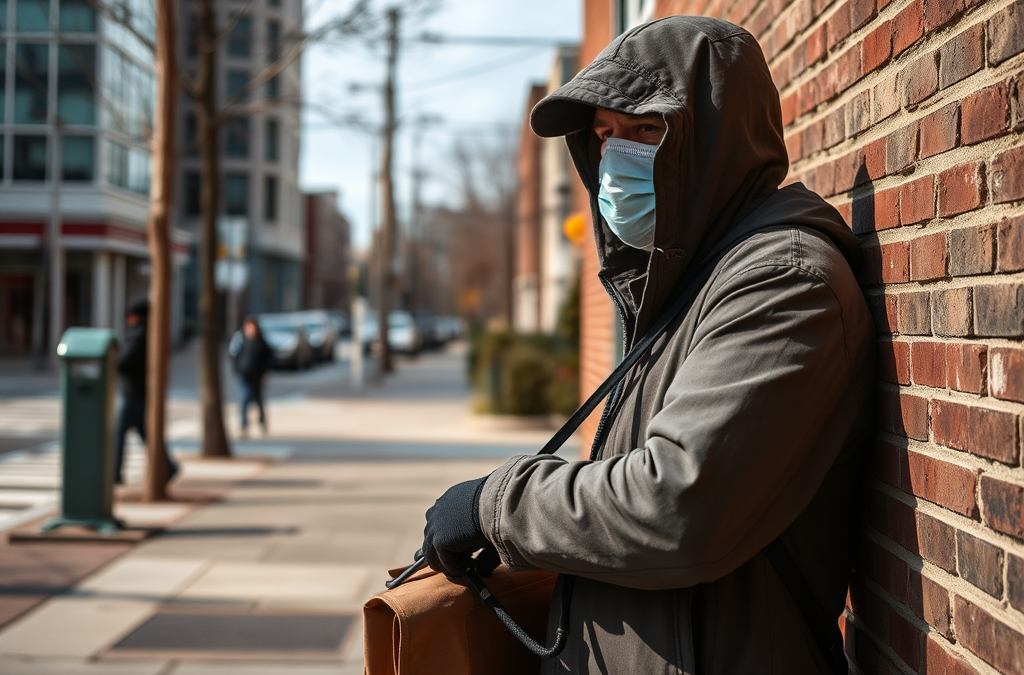
Neglecting personal security during crises can lead to serious consequences, including theft, violence, and emotional distress. Many individuals mistakenly believe their environment is safe, overlooking the need for proactive security measures. For instance, during a natural disaster, failing to secure doors and valuables can attract opportunistic criminals. It is essential to create a clear emergency plan that includes identifying safe locations and communication strategies. By prioritizing personal security and remaining vigilant, individuals can significantly reduce their vulnerability during challenging times.
Understanding the Risks of Inadequate Security
Neglecting personal security during crises significantly increases the risk of theft, violence, and other harmful outcomes. Individuals often find themselves in vulnerable situations when they fail to assess their surroundings or ignore signs of potential danger. For example, during natural disasters or civil unrest, looters may take advantage of weakened security measures, leading to property loss and emotional trauma for victims.
Moreover, crises can create chaotic environments where standard safety protocols break down. Understanding these risks is crucial for anyone looking to maintain their safety and security. Failure to secure personal belongings and ensure a safe environment can exacerbate the negative impact of a crisis, making it essential to prioritize security measures.
Common Mistakes in Personal Security
Many individuals underestimate the importance of personal security, particularly during crises. A common mistake is assuming that their surroundings are safe without taking proactive measures. For instance, during a power outage following a storm, people may leave their doors unlocked or fail to secure valuables, making them easy targets for opportunistic criminals.
Another prevalent error is neglecting to create an emergency plan. Without a clear strategy, individuals may panic during a crisis, leading to disorganized responses that compromise their safety. A well-thought-out plan includes identifying safe locations, communication methods, and essential supplies, which can significantly reduce risk during emergencies.

Practical Security Measures to Implement
Implementing practical security measures is vital for mitigating risks during crises. First, enhance your situational awareness by staying informed about local conditions and potential threats. Utilize resources such as community alert systems or news outlets to remain updated on emergencies.
Second, develop a comprehensive emergency plan that outlines safety protocols, including evacuation routes and communication strategies. Ensure all household members are familiar with the plan and conduct regular drills to reinforce preparedness.
Lastly, secure your environment by reinforcing entry points, using locks, and installing security cameras or alarm systems. These measures not only deter criminals but also provide peace of mind during uncertain times.
The Psychological Impact of Security Neglect
Neglecting personal security during crises can lead to significant psychological distress. Individuals may experience anxiety, fear, and a sense of helplessness, especially if they have faced theft or violence. This emotional toll can hinder recovery efforts and create long-lasting mental health challenges.
Addressing these psychological impacts is essential. Engaging in community support networks can provide individuals with resources and reassurance, helping them cope with the emotional fallout of security neglect. Additionally, practicing stress-reduction techniques, such as mindfulness or counseling, can aid in managing anxiety and rebuilding a sense of safety.
Frequently Asked Questions
What are the main risks of neglecting personal security during a crisis?
Neglecting personal security can lead to increased vulnerability to theft, physical harm, and psychological distress.
How can I improve my personal security in a crisis?
Enhance situational awareness, develop a clear emergency plan, and secure your environment with locks and alarms.
What are common mistakes people make regarding personal security?
Common mistakes include underestimating risks, failing to secure belongings, and not having an emergency plan.
How does neglecting security affect mental health?
It can lead to anxiety, fear, and a sense of helplessness, especially after experiencing theft or violence.
Further Reading
Authoritative Sources
- Ready.gov
ready.govAn official resource for emergency preparedness, offering guidance on creating personal safety and security plans
- National Safety Council
nsc.orgProvides valuable information on safety measures and crisis management strategies
- American Red Cross
redcross.orgOffers resources and training for emergency preparedness and personal safety
Conclusion
Addressing personal security during crises is crucial for safeguarding both physical safety and mental well-being. By understanding the risks, avoiding common mistakes, and implementing practical security measures, individuals can significantly reduce their vulnerability. It is essential to create a comprehensive emergency plan and engage in community support to foster resilience. Prioritizing security not only protects against immediate threats but also contributes to long-term peace of mind.




