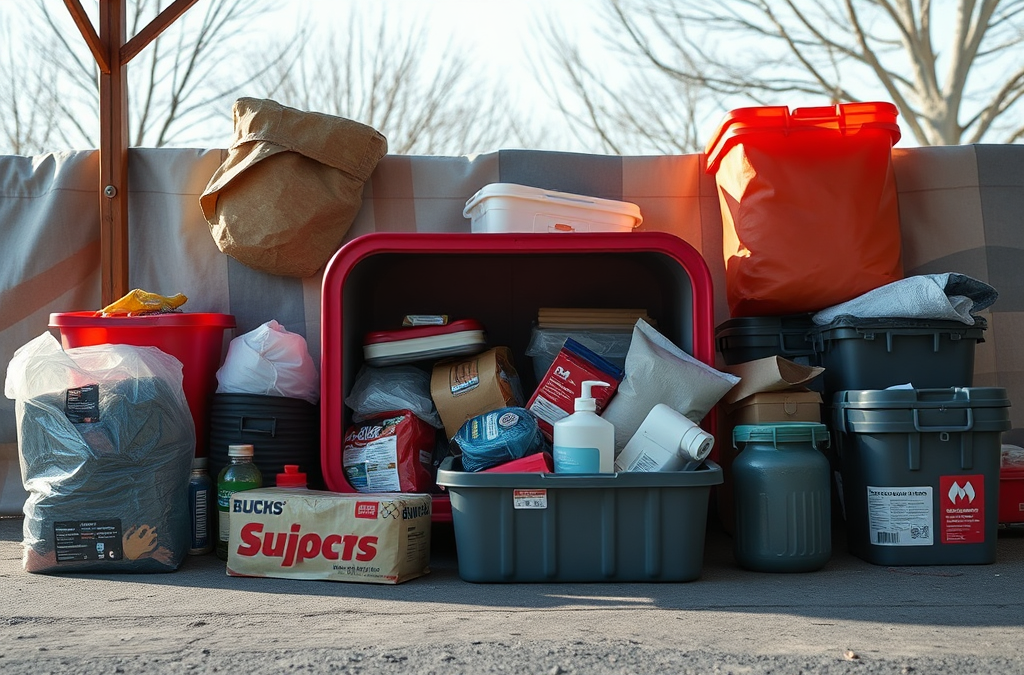
Your emergency supplies need replenishing if you notice expired food items, low stock of essential supplies, or damaged packaging. Regular inventory checks are vital to ensure readiness for unforeseen events. Pay attention to medications that may have surpassed their expiration dates, as using them can pose health risks. Additionally, inspect tools and equipment for wear and tear, which can hinder their effectiveness during an emergency.
Understanding Expiration Dates
Expiration dates are crucial indicators that help you determine when food and medical supplies should be replaced. Many foods in emergency kits, such as canned goods or dehydrated meals, have specific shelf lives, which can range from a few months to several years. It’s essential to regularly check these dates, as consuming expired food can lead to health risks.
For medications, the expiration date indicates the last date the manufacturer guarantees full potency. Using expired medications may not provide the intended treatment and could even be harmful. Always ensure to rotate your supplies, using the oldest items first and replacing them as you go.
Inventory Management Practices
Effective inventory management ensures that your emergency supplies are always ready for use. Regularly assessing your inventory allows you to identify low-stock items before they become critical. A common mistake is neglecting to check supplies after a disaster or emergency, leading to unexpected shortages when they are most needed.
Develop a routine for checking your supplies, ideally every six months. During these checks, make a note of items that are low, expired, or damaged. Keep a written or digital log to track these details, which can help streamline the replenishing process. This practice not only keeps your supplies organized but also enhances your preparedness.

Physical Condition of Supplies
The physical condition of your emergency supplies is just as important as their quantity and expiration dates. Items can become damaged or degraded over time, especially if they are not stored properly. Check for any signs of wear and tear, such as rust on tools, cracks in containers, or leaks in water storage.
Additionally, inspect packaging for any signs of pests or moisture damage. This is particularly important for food items, as compromised packaging can lead to contamination. If you notice any damaged items, replace them immediately to ensure your emergency kit remains effective.
Utilizing a Replacement Checklist
A replacement checklist is an invaluable tool for maintaining your emergency supplies. This checklist should include all critical items in your emergency kit and their respective expiration dates. By having a clear list, you can easily identify what needs to be replaced during your inventory checks.
Consider categorizing your checklist into sections, such as food, medical supplies, tools, and personal items. This organization makes it easier to manage your inventory and ensures no essential item is overlooked. Regularly updating this checklist as you use supplies will help you stay prepared and avoid last-minute scrambles during emergencies.
Frequently Asked Questions
What should I check first in my emergency supplies?
Start by checking expiration dates on food and medications, followed by the physical condition of supplies.
How often should I replenish my emergency supplies?
It's advisable to check and replenish your emergency supplies every six months to ensure readiness.
What are common mistakes in managing emergency supplies?
Common mistakes include neglecting to check expiration dates, failing to rotate supplies, and not replacing damaged items promptly.
How can I organize my emergency supplies?
Use a categorized checklist to keep track of items, and store supplies in a cool, dry place to maintain their condition.
Why is it important to have a replacement checklist?
A replacement checklist helps you track expiration dates and ensure that all essential items are stocked and in good condition.
Further Reading
Authoritative Sources
- Ready.gov Preparedness Guidance
ready.govFederal preparedness guidance for household planning, alerts, supplies, and emergencies
- American Red Cross Emergency Preparedness
redcross.orgEmergency preparedness resources for families, disasters, and practical safety planning
- FEMA Preparedness Resources
fema.govNational preparedness resources for planning, mitigation, and response readiness
Conclusion
Regularly monitoring your emergency supplies is essential for effective preparedness. By understanding expiration dates, managing inventory, checking the physical condition of items, and utilizing a replacement checklist, you can ensure that your supplies are always ready for use. Prioritize these practices to avoid running into shortages or using expired products when you need them the most.
Related Content
- Safe Refrigeration Decisions After Repeated Brief Outages: Food Checks, Temperature Clues, And Discard Timing
- Surviving the Unexpected: Top Tips for Emergency Preparedness
- How to Prep Your Family for Disaster: Essential Steps for Creating a Family Emergency Plan
- Mastering Readiness for Crisis Situations: 5 Essential Tips for 2025
- The significance of water and managing an expanding lack