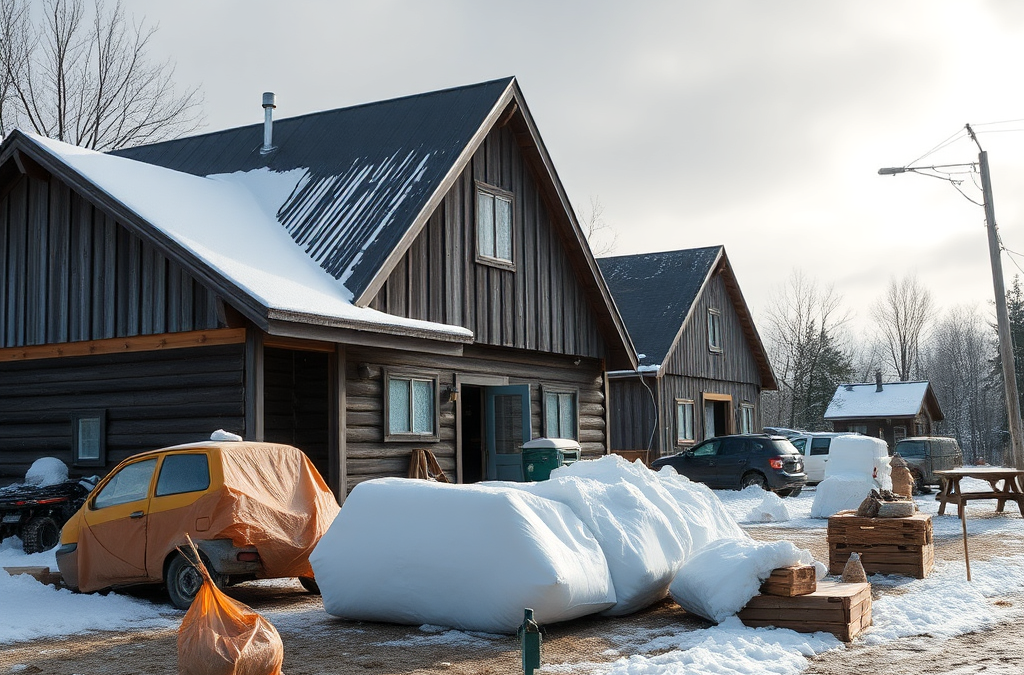
Seasonal weather has a profound impact on prepping efforts, as it dictates the types of resources needed and the strategies employed for survival. For example, during winter, preppers should prioritize heating supplies and winter gear, while summer preparations should focus on hydration and heat safety. It's essential to regularly review and adapt emergency plans to reflect seasonal changes, which can include practicing drills tailored to specific weather scenarios. By understanding local weather patterns and preparing accordingly, individuals can enhance their readiness for seasonal challenges and ensure they are equipped to handle emergencies effectively.
Understanding Seasonal Weather Patterns
Seasonal weather patterns play a crucial role in shaping prepping strategies. Different seasons bring unique challenges that can impact resource availability, safety, and survival strategies. For example, winter may present hazards such as snowstorms and freezing temperatures, while summer can introduce risks like heatwaves and hurricanes. Recognizing these patterns allows preppers to anticipate potential challenges and adjust their plans accordingly.
Moreover, understanding specific regional weather patterns enhances preparedness. For instance, living in a hurricane-prone area requires different strategies compared to regions susceptible to blizzards. By analyzing historical weather data and current forecasts, preppers can develop tailored approaches for their specific geographical location, ensuring they are ready for seasonal events.
Adapting Emergency Plans for Seasonal Changes
Adapting emergency plans to seasonal changes is essential for effective prepping. Seasonal weather can alter the dynamics of emergencies, necessitating modifications to existing plans. For example, during winter, preppers should include provisions for heating sources, winter clothing, and snow removal tools in their plans. In contrast, summer preparations might focus on hydration, sun protection, and evacuation routes for flood scenarios.
Furthermore, it’s vital to review and practice these plans regularly. Seasonal drills can help ensure that everyone in the household understands their roles and responsibilities during emergencies. This proactive approach minimizes confusion and panic when real emergencies arise, allowing families to respond swiftly and effectively.

Resource Management Throughout the Year
Effective resource management is a cornerstone of successful prepping, especially as seasons change. Each season requires different supplies, so preppers must plan accordingly. For example, stocking up on winter supplies such as firewood, blankets, and non-perishable food items is crucial before the cold months arrive. Conversely, summer preparations might include ensuring adequate water supplies and first aid kits that address heat-related issues.
Additionally, preppers should be mindful of expiration dates and storage conditions for various resources. For instance, certain foods may have shorter shelf lives in warmer months if not stored properly. Understanding how temperature and humidity affect different supplies can help preppers maintain effective inventories throughout the year.
Practical Prepping Strategies for Each Season
Implementing practical prepping strategies tailored to each season can enhance overall readiness. In spring, focus on outdoor preparedness, such as planting survival gardens and checking emergency equipment. Summer strategies should prioritize heat management, including portable fans and hydration supplies. Autumn is an ideal time to review and update emergency kits, ensuring they are stocked with seasonal essentials.
Winter prepping requires a strong emphasis on heating and shelter. Ensuring heating systems are functional and having backup options is vital. Additionally, learning snow removal techniques and having the right tools can significantly affect survival during winter storms. By aligning prepping strategies with seasonal needs, individuals can better navigate the challenges each season presents.
Frequently Asked Questions
How does seasonal weather affect prepping efforts?
Seasonal weather influences resource availability, safety measures, and emergency plans, requiring preppers to adapt their strategies accordingly.
What should I include in my winter emergency kit?
Your winter emergency kit should include items like blankets, a heater, snow removal tools, and sufficient non-perishable food and water.
How can I prepare for summer heat?
Preparing for summer heat involves ensuring adequate hydration, having sun protection supplies, and creating a plan for potential heat-related illnesses.
How often should I review my emergency plan?
Emergency plans should be reviewed at least twice a year, ideally before major seasonal changes, to ensure they remain effective and relevant.
Further Reading
Authoritative Sources
- Ready.gov
ready.govA comprehensive resource for emergency preparedness, offering tailored advice for different weather conditions
- National Weather Service
weather.govProvides up-to-date weather forecasts and warnings, critical for effective prepping
- American Red Cross
redcross.orgOffers guidelines on emergency preparedness, including seasonal safety tips
Conclusion
Understanding the impact of seasonal weather on prepping efforts is vital for effective emergency management. Each season presents unique challenges that require careful planning and resource management. By adapting emergency plans, managing resources throughout the year, and implementing practical strategies tailored to seasonal conditions, preppers can enhance their readiness and resilience. Staying informed and proactive will ensure that you are well-prepared for whatever weather challenges may arise.




