
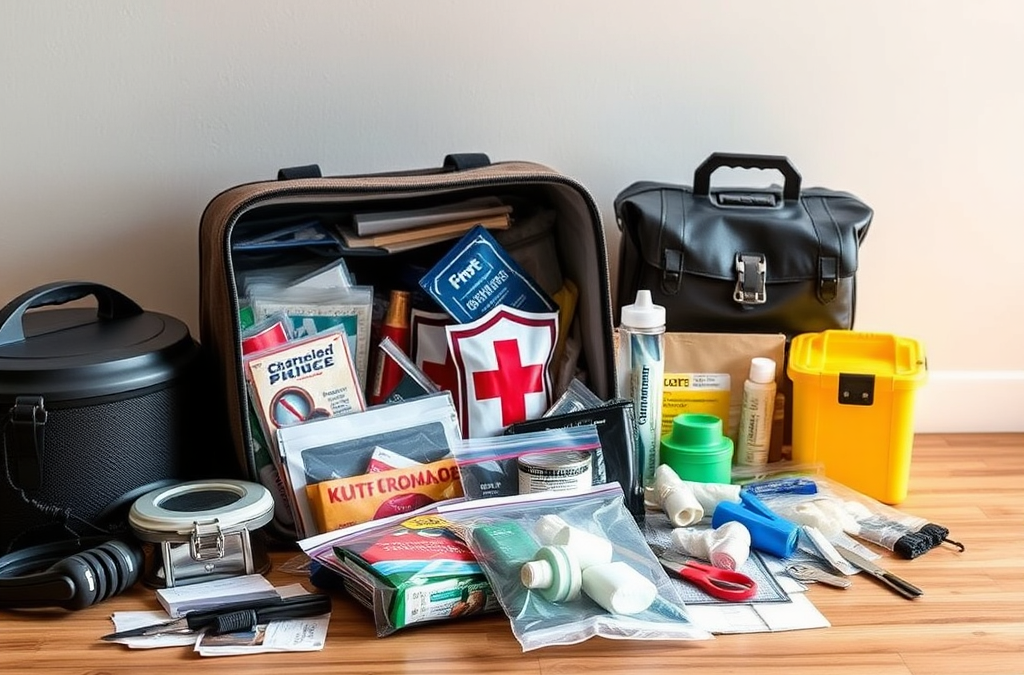
Common pitfalls when assembling an emergency kit include neglecting to customize the kit for specific household needs and failing to include essential items. Many people mistakenly assume that store-bought kits meet all requirements, but personalizing the contents based on family size, health concerns, and local risks is vital. Additionally, regular maintenance is often overlooked; checking expiration dates and replenishing supplies ensures that the kit remains effective. To enhance preparedness, include overlooked items such as a multi-tool, personal hygiene products, and a reliable communication device. This tailored approach can significantly improve safety and comfort during emergencies.
Identifying Personal Needs
When assembling an emergency kit, one of the most significant mistakes is failing to identify personal needs. Each household is unique, and the contents of an emergency kit should reflect the specific circumstances and requirements of its users. For example, families with infants need baby formula and diapers, while households with elderly members may require medications and mobility aids.
Understanding your personal situation is crucial. Assess factors such as the number of people in your household, any special medical conditions, and the types of emergencies most likely to occur in your area. This tailored approach ensures that your kit is not only comprehensive but also practical for your unique needs.
Essential Items Often Overlooked
Another common pitfall is overlooking essential items that may not seem immediately necessary but are critical during emergencies. While basic supplies like food, water, and a flashlight are often included, other items such as a multi-tool, whistle, and local maps frequently get neglected. These tools can provide significant advantages in survival situations.
Additionally, personal hygiene products, first aid supplies, and a reliable communication device should be prioritized. For instance, a first aid kit should contain gloves, antiseptics, and bandages, as well as any personal medications required by household members. Having a well-rounded kit can make a substantial difference in comfort and safety during crises.

Regular Maintenance and Updates
Many people assemble their emergency kits and then forget about them, which leads to expired items or outdated supplies. Regular maintenance is crucial for ensuring the kit’s effectiveness. Check your kit at least twice a year to replace expired medications, food items, and batteries in flashlights or radios.
Furthermore, consider any changes in your household, such as new family members or changes in health conditions, which may necessitate updates to the kit. Keeping the kit current ensures that it remains functional and useful when needed most.
Common Misconceptions About Emergency Kits
There are several misconceptions surrounding emergency kits that can lead to ineffective preparations. One common belief is that pre-packaged kits are sufficient for all situations. While they can be a good starting point, they often lack personalization and may not address specific needs. Additionally, many assume that having a basic kit is all that’s required, overlooking the importance of customizing and enhancing their supplies.
Another misconception is that emergency kits only need to be prepared for natural disasters. In reality, emergencies can arise from various sources, including power outages, civil unrest, or health crises. Therefore, it is crucial to think broadly about potential emergencies and tailor your kit accordingly.
For more information on assembling effective emergency kits, consider exploring resources from local emergency management agencies or the Ready.gov website, which offers comprehensive guidelines and checklists.
Frequently Asked Questions
What are the most important items to include in an emergency kit?
Essential items include water, non-perishable food, a flashlight, first aid supplies, and any personal medications.
How often should I update my emergency kit?
It's recommended to check and update your emergency kit at least twice a year to replace expired items and adjust for any changes in your household.
Can I use a pre-packaged emergency kit?
While pre-packaged kits can be a good starting point, they often lack personalization and may not meet specific family needs, so customization is important.
What should I do if my emergency kit contains expired items?
Expired items should be replaced immediately to ensure your kit remains effective and useful in an emergency situation.
Why is it important to consider personal needs when assembling an emergency kit?
Considering personal needs ensures that the kit is tailored to your unique circumstances, which can significantly improve preparedness in a crisis.
Further Reading
Authoritative Sources
- Ready.gov Preparedness Guidance
ready.govFederal preparedness guidance for household planning, alerts, supplies, and emergencies
- American Red Cross Emergency Preparedness
redcross.orgEmergency preparedness resources for families, disasters, and practical safety planning
- FEMA Preparedness Resources
fema.govNational preparedness resources for planning, mitigation, and response readiness
Conclusion
Assembling an effective emergency kit requires careful consideration of personal needs, essential items, and regular maintenance. By avoiding common pitfalls such as neglecting to tailor the kit and overlooking critical supplies, you can better prepare for any emergencies that may arise. Prioritize regular updates and be aware of misconceptions surrounding emergency preparedness to ensure your kit remains functional and relevant. Take the time to assess your situation and customize your emergency kit to enhance your readiness for any potential crisis.




