
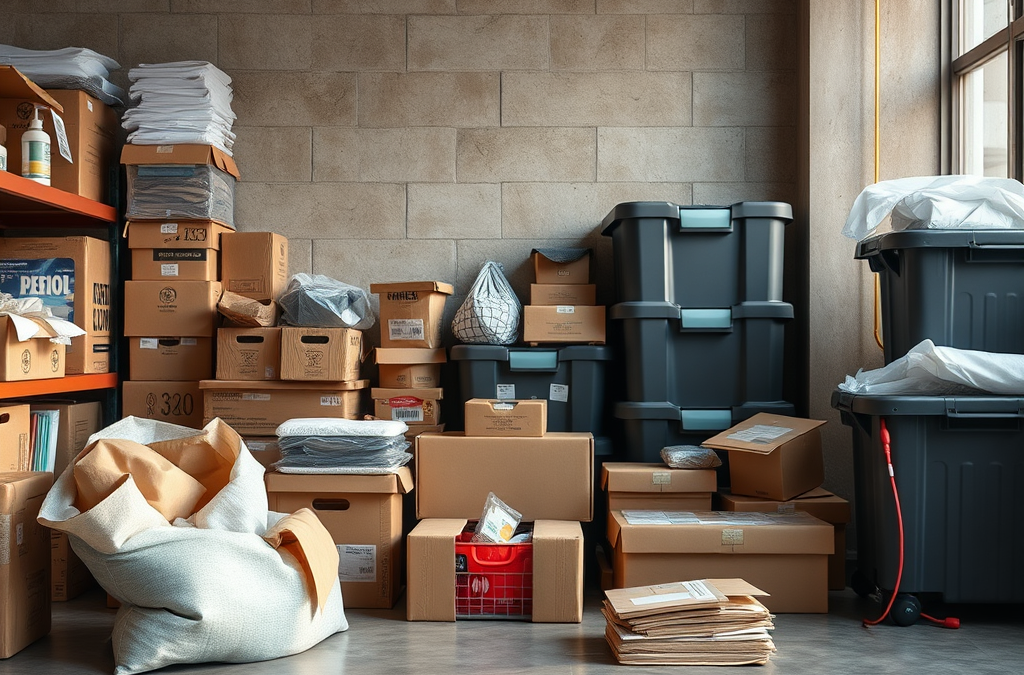
Financial pitfalls when stocking emergency supplies can lead to significant financial strain if not carefully managed. Common mistakes include overestimating needs, which often results in purchasing excessive quantities that may expire before use. Additionally, failing to consider the total cost of ownership—including storage and maintenance—can further inflate expenses. To mitigate these issues, it's essential to conduct a thorough assessment of your actual requirements, purchase only what is necessary, and regularly monitor the condition and expiration dates of your supplies. This strategic approach not only enhances financial efficiency but also ensures you are adequately prepared for emergencies.
Understanding the Importance of Financial Planning
Financial planning is crucial when stocking emergency supplies, as it helps ensure that you invest wisely in items that will truly benefit you during a crisis. A well-thought-out plan not only prevents overspending but also maximizes the value of what you purchase. By understanding your specific needs, you can allocate resources effectively, avoiding unnecessary purchases or shortages in critical areas.
Moreover, financial planning takes into account the potential costs associated with maintaining supplies, such as storage, rotation, and replacement of perishables. Without a solid plan, individuals may find themselves either underprepared or overstocked, both of which can lead to financial strain during emergencies.
Common Financial Pitfalls in Emergency Supplies
One major financial pitfall when stocking emergency supplies is overestimating the amount needed. Many people tend to purchase large quantities of items based on fears rather than actual needs. This can result in wasted money on supplies that may never be used or that expire before they can be consumed. For example, buying a year’s worth of canned goods may seem prudent, but if those items aren’t consumed or rotated, they can lead to significant waste.
Another common mistake is failing to account for the total cost of ownership, which includes not just the purchase price but also the costs of storage, maintenance, and eventual disposal. Additionally, neglecting to keep track of expiration dates can lead to purchasing items that become unusable, thus throwing money away. Those who do not regularly check their supplies may find themselves in a situation where they have to purchase replacements at a higher price in a time of crisis.

How to Assess Your Needs Accurately
To avoid financial pitfalls, it’s essential to conduct a thorough needs assessment before stocking supplies. Start by evaluating your household’s specific requirements based on factors like the number of people, dietary restrictions, and the types of emergencies you are likely to face. For instance, a family with children may need different supplies compared to a household of adults.
Consider creating a checklist of essential items categorized by priority. This strategy helps ensure that you focus on the most critical supplies first, allowing you to spread your budget effectively. Regularly updating this list based on changing needs or circumstances is also vital, as it helps prevent unnecessary purchases.
Effective Budgeting Strategies
Implementing effective budgeting strategies can significantly reduce the risk of financial pitfalls when stocking emergency supplies. Start by establishing a clear budget based on your assessment of needs. Allocate funds specifically for emergency supplies to prevent overspending in other areas.
Additionally, consider bulk purchasing for non-perishable items that you know you will use, but do so cautiously. Buying in bulk can lead to savings, but only if you are certain that you can consume the items before they expire. Another effective strategy is to take advantage of sales and discounts, ensuring that you are getting the best prices for your supplies. This approach requires vigilance and regular monitoring of prices to capitalize on savings opportunities.
Frequently Asked Questions
What are the most common mistakes when stocking emergency supplies?
Common mistakes include overestimating needs, neglecting expiration dates, and failing to track total costs, leading to waste and financial strain.
How can I determine what supplies I need?
Assess your household's specific needs based on factors like size, dietary restrictions, and the types of emergencies you may encounter.
Is bulk purchasing always a good idea for emergency supplies?
Bulk purchasing can save money, but only if you are sure you can use the items before they expire. Assess your consumption patterns before buying in bulk.
How often should I check my emergency supplies?
Regularly check your emergency supplies at least every six months to ensure items are in good condition and to rotate stock based on expiration dates.
What budgeting strategies can help with emergency supply stocking?
Establish a clear budget for emergency supplies, allocate funds specifically for them, and take advantage of sales to maximize your purchasing power.
Further Reading
Authoritative Sources
- Ready.gov
ready.govThis government resource provides guidelines on preparing for emergencies, including financial planning tips for stocking supplies.
- American Red Cross
redcross.orgA comprehensive guide on emergency preparedness that includes financial considerations for stocking supplies.
Further Reading
Authoritative Sources
- Ready.gov Preparedness Guidance
ready.govFederal preparedness guidance for household planning, alerts, supplies, and emergencies
- American Red Cross Emergency Preparedness
redcross.orgEmergency preparedness resources for families, disasters, and practical safety planning
- FEMA Preparedness Resources
fema.govNational preparedness resources for planning, mitigation, and response readiness
Conclusion
To effectively stock emergency supplies while avoiding financial pitfalls, it is essential to conduct a thorough needs assessment and create a specific budget. Focus on purchasing only what is necessary, regularly check the condition of supplies, and take advantage of sales and bulk purchasing when appropriate. By implementing these strategies, you can ensure that your emergency preparedness efforts are both financially efficient and effective.
Related Content
- How to Find Reliable Prepper Communities Online: Essential Platforms and Engagement Strategies
- Essential Tips for Preparing Your Home for Unexpected Weather Disasters
- The Challenges of Prepping in Urban Environments: Essential Considerations for Effective Strategies
- How To Select A Departure Trigger Before Roads Deteriorate: Timing, Signals, And Evacuation Decisions
- Disasters Don’t Wait: Essential Steps for Being Prepared




