
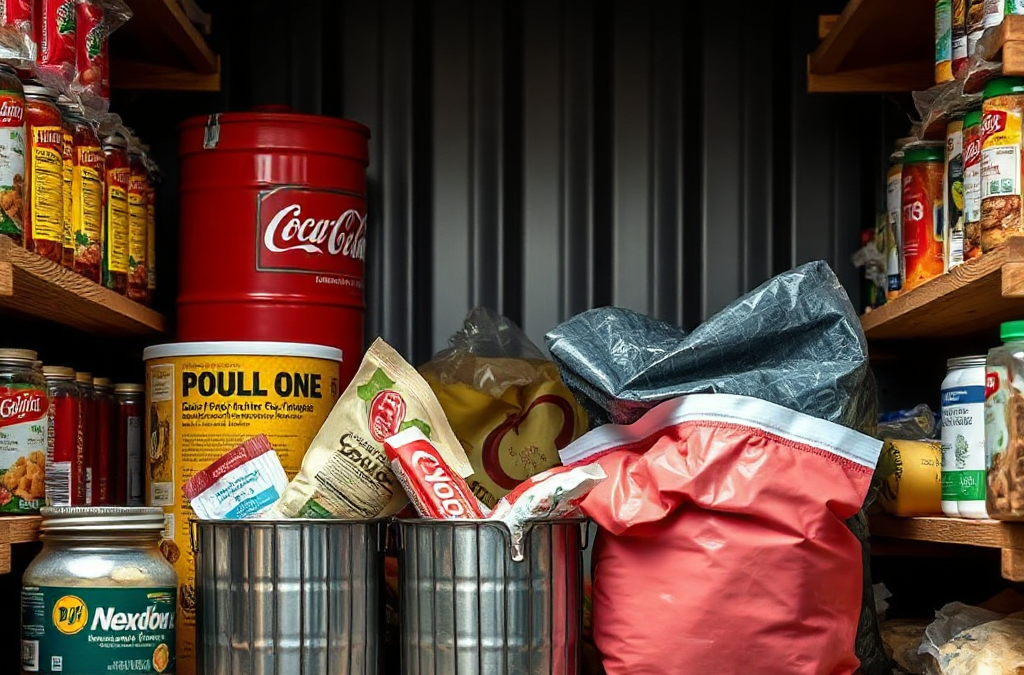
Regular supply rotation is essential for preppers to maintain the freshness and safety of their stockpiled resources. By implementing the FIFO (First In, First Out) method, preppers can ensure that older items are consumed before newer ones, reducing the risk of spoilage. Regularly checking expiration dates and organizing supplies effectively can help identify items that need to be used soon. This proactive approach not only enhances the reliability of emergency supplies but also minimizes waste, ensuring that preppers are always prepared for unforeseen situations.
Understanding Supply Rotation
Supply rotation, an essential practice among preppers, involves regularly using and replacing stockpiled resources to prevent expiration and waste. This method ensures that food and supplies remain fresh and usable when needed most. The importance of regular supply rotation cannot be overstated, as it maximizes resources and minimizes the risk of relying on outdated supplies during emergencies.
Proper supply rotation is particularly crucial for perishable items, such as canned goods and freeze-dried foods, which can have limited shelf lives. By consistently checking expiration dates and utilizing older items first, preppers can maintain a reliable stockpile that is ready for any situation. This practice not only fosters efficiency but also promotes a proactive approach to emergency preparedness.
Methods for Effective Supply Rotation
Implementing effective supply rotation methods can significantly impact the longevity and usability of stockpiled supplies. One popular technique is the FIFO (First In, First Out) method, which involves organizing supplies so that older items are used before newer ones. This method is particularly effective for canned goods and other items with expiration dates.
Another approach is to label supplies with purchase dates or expiration dates to ensure that preppers can easily identify which items need to be used first. Additionally, maintaining a well-organized storage area can help facilitate efficient rotation, making it easier to access older supplies. Regularly scheduled inventory checks can also assist in identifying items that are nearing expiration and require immediate use.

Common Mistakes in Supply Management
Many preppers fall into common pitfalls when managing their supplies, which can lead to wasted resources and ineffective preparedness. One significant mistake is neglecting to regularly check expiration dates, resulting in outdated supplies that are no longer safe for consumption. This oversight can have serious consequences during emergencies when reliable resources are needed most.
Another frequent error is overstocking items without considering their shelf life. Preppers may accumulate supplies, thinking they will always be available, but failing to rotate them effectively can lead to waste. To avoid these mistakes, preppers should establish a routine for checking supplies and consider implementing a system for tracking expiration dates to ensure that all items are utilized effectively.
The Role of Inventory Tracking
Inventory tracking plays a vital role in maintaining an effective supply rotation system. By keeping a detailed list of all stockpiled supplies, preppers can easily monitor expiration dates and identify which items need to be used or replaced. This practice not only helps prevent waste but also ensures that preppers are aware of their resource levels during emergencies.
There are various methods for tracking inventory, ranging from simple written logs to digital inventory management apps. Choosing a method that fits individual needs and lifestyles can make supply management more efficient. Regularly updating inventory records and conducting physical checks of supplies can help preppers stay organized and prepared for any situation.
Frequently Asked Questions
What is supply rotation?
Supply rotation is the practice of using older stock first to prevent expiration and waste, ensuring that supplies remain usable during emergencies.
Why is regular supply rotation important for preppers?
Regular supply rotation helps maintain the freshness and safety of stockpiled food and resources, ensuring they are ready for use when needed.
How can I implement supply rotation effectively?
Implementing supply rotation can be done using the FIFO method, labeling supplies with dates, and regularly checking inventory to prioritize older items.
What are common mistakes in supply management?
Common mistakes include neglecting to check expiration dates and overstocking items without effective rotation, leading to waste and expired supplies.
How does inventory tracking help with supply rotation?
Inventory tracking allows preppers to monitor expiration dates and resource levels, ensuring that supplies are used effectively and waste is minimized.
Further Reading
For those looking to delve deeper into supply management and rotation practices, consider exploring reputable resources that offer detailed insights and techniques to enhance preparedness.
Authoritative Sources
- Food Safety Tips
ready.govA comprehensive resource on food safety practices, including storage and rotation techniques for preppers
- Food Safety Modernization Act
fda.govInformation on regulations and practices that promote food safety and effective supply management
Conclusion
Regular supply rotation is a critical practice for preppers to ensure that their stockpiled resources remain safe and effective. By implementing effective rotation methods, tracking inventory, and avoiding common mistakes, preppers can enhance their preparedness efforts and maximize the usability of their supplies. Prioritizing these practices will help ensure that essential items are always ready for emergencies, ultimately supporting long-term preparedness goals.
Related Content
- 10 Essential Tips for Emergency Winter Preparedness (2026 Guide)
- How to Build a Disaster Kit: The Must-Haves for Your Emergency Supply List
- From Earthquakes to Floods: Your Complete Roadmap to Disaster Preparedness
- Contingency Plan for a Failed Evacuation Route: Alternate Routes, Triggers, and Communication Steps
- Positive Preparedness: Cultivating a Survivor’s Mindset




