
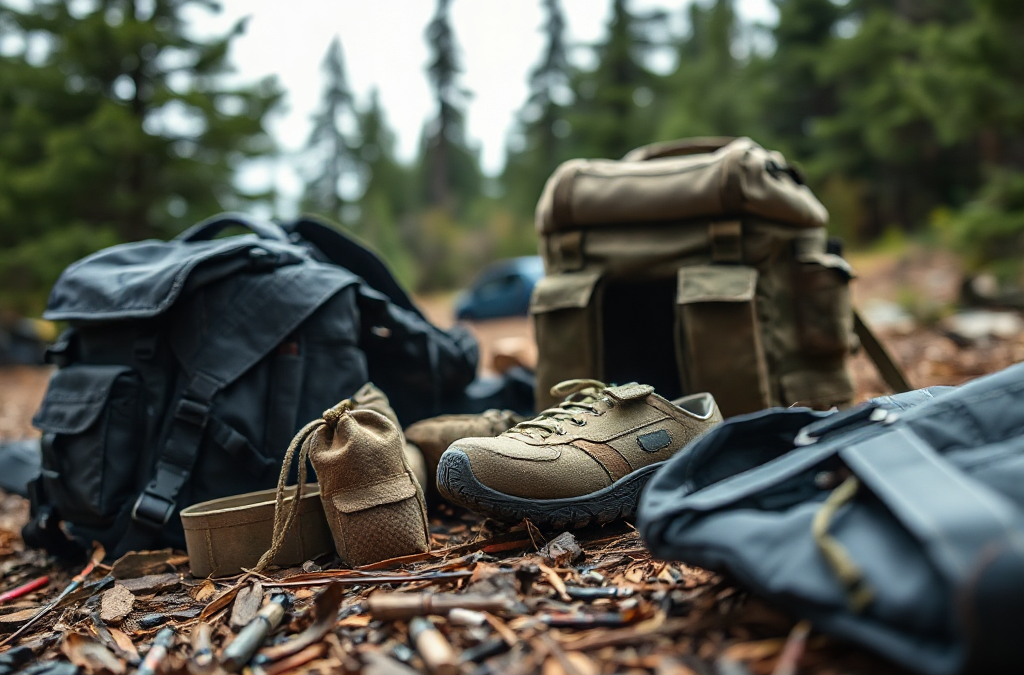
To assess the durability of survival gear, focus on the materials, testing methods, and real-world performance. Look for high-quality fabrics like ripstop nylon, which offers excellent tear resistance, and check for features such as waterproofing and UV protection. Conduct tests like abrasion and flex tests to evaluate how well the gear withstands wear and stress. Additionally, consider how the gear performs in extreme conditions, as this can reveal potential weaknesses. Always review product specifications and test results to ensure the gear meets your survival needs effectively.
Understanding Material Durability
Durability in survival gear is primarily determined by the materials used in its construction. Common materials include nylon, polyester, and various blends, each offering different levels of strength, resistance to wear, and weather protection. For example, ripstop nylon is known for its tear resistance, making it a popular choice for tents and backpacks. When assessing durability, look for gear that features high denier ratings, as these indicate a thicker and more robust fabric.
Another important aspect is the treatment of materials. Many survival gear items undergo processes like waterproofing or UV resistance. Understanding these treatments can help you choose gear that will last longer in harsh conditions. Always check the product specifications for details about the materials used and their durability ratings.
Testing Methods for Survival Gear
Assessing durability through formal testing methods is essential for ensuring reliability in critical situations. Common testing methods include abrasion tests, flex tests, and environmental exposure tests. Abrasion tests simulate wear and tear over time, helping to identify how well materials hold up against friction. Flex tests, on the other hand, analyze the material’s ability to withstand repeated bending without breaking.
Environmental exposure tests evaluate how gear performs under various conditions, such as extreme temperatures, humidity, and UV exposure. These tests are crucial for survival gear, as they reveal weaknesses that may not be apparent in typical use. Brands often provide results from such tests, which can be a valuable resource when comparing different products.

Evaluating Real-World Performance
Real-world performance is a critical indicator of a survival gear’s durability. This evaluation goes beyond laboratory tests and considers how the gear performs in actual survival scenarios. User reviews and testimonials can provide insights into how well gear withstands harsh conditions, such as heavy rain, extreme cold, or rugged terrain.
For instance, a backpack may pass all laboratory tests but fail during a hike due to poor stitching or zipper issues. Pay attention to reports of common failures and look for gear that comes with warranties or guarantees, indicating the manufacturer’s confidence in their product’s durability.
Common Mistakes to Avoid
One common mistake when assessing durability is focusing too much on brand reputation without examining specific product details. While established brands often produce high-quality gear, not all items will meet your durability needs. Always scrutinize the materials and construction methods used.
Another mistake is neglecting to consider the intended use of the gear. Gear designed for casual camping may not hold up in extreme survival situations. Ensure that the gear you choose is rated for the conditions you expect to face. Finally, avoid overlooking maintenance requirements; even durable gear can fail if not maintained properly.
Frequently Asked Questions
What materials are best for durable survival gear?
Nylon and polyester are commonly used for their strength and resistance to wear, with ripstop nylon being particularly durable.
How can I test the durability of my survival gear?
Conduct abrasion and flex tests, and evaluate real-world performance through user reviews and field testing.
What should I look for in survival gear warranties?
Warranties that cover defects in materials and workmanship indicate the manufacturer's confidence in the product's durability.
Can I improve the durability of my survival gear?
Regular maintenance, such as cleaning and proper storage, can enhance the longevity of your gear.
Is brand reputation a reliable indicator of durability?
While established brands often produce high-quality gear, it's essential to evaluate specific product details rather than relying solely on brand reputation.
Further Reading
Authoritative Sources
- How to Choose Survival Gear
outdoorlife.comThis resource provides insights on selecting the best survival gear based on durability and functionality
- Backpacking Gear Guide
rei.comREI offers a comprehensive guide to understanding gear performance and durability in various environments
Conclusion
Assessing the durability of survival gear requires a thorough understanding of materials, testing methods, and real-world performance. Prioritize gear made from high-quality materials and backed by solid testing and user reviews. Avoid common mistakes such as ignoring product specifics and overlooking maintenance requirements. By taking these steps, you can ensure that your survival gear will serve you well in critical situations.




