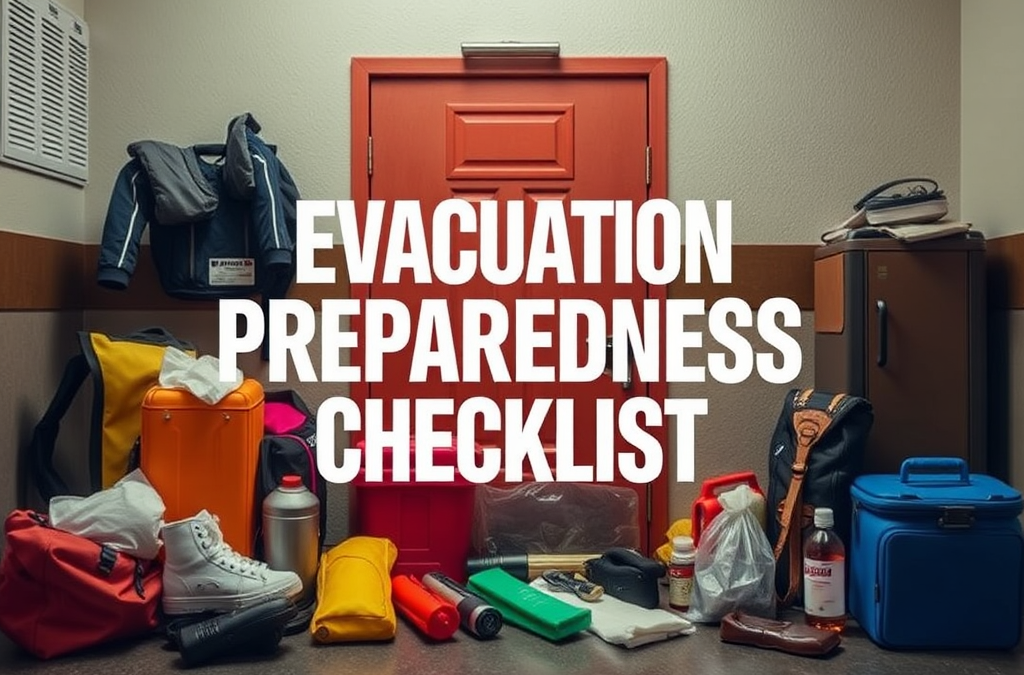
Ensure that your supplies are stored in a designated location, making them easy to reach quickly. Additionally, consider including items like flashlights, batteries, a whistle, and personal hygiene products, which can enhance safety and comfort during an evacuation.
When creating an evacuation preparedness checklist, it is crucial to include essential items that will support your safety and well-being. consider including items like flashlights, batteries, a whistle, and personal hygiene products, which can enhance safety and comfort during an evacuation.
Essential Items for Your Checklist
When creating an evacuation preparedness checklist, it is crucial to include essential items that will support your safety and well-being. Key items typically include a first-aid kit, sufficient water (at least one gallon per person per day), non-perishable food, and important personal documents such as identification and insurance papers. Additionally, consider including a flashlight, batteries, a multi-tool, and personal hygiene items.
Make sure to tailor your checklist based on personal needs, such as medications for chronic conditions or supplies for infants or pets. A well-prepared checklist not only ensures you have what you need but also provides peace of mind, knowing that you have taken steps to protect yourself and your loved ones.
Organizing Your Evacuation Supplies
Effective organization of your evacuation supplies can make a significant difference during a crisis. Store all items in a sturdy, clearly labeled container or backpack that can be easily grabbed when it’s time to leave. Group similar items together, such as medical supplies, food, and personal documents, to streamline access under pressure.
Consider designating a specific location in your home for these supplies, ensuring all household members know where to find them. Regularly checking the contents of your evacuation kit will help keep it fresh and ensure nothing is expired or missing. This proactive approach can save valuable time during an actual emergency.

Common Mistakes to Avoid
One of the most frequent mistakes people make regarding evacuation preparedness is not practicing evacuation drills. Without practice, individuals may not be familiar with the route to safety or how to access their supplies quickly. Additionally, neglecting to consider the unique needs of all family members can lead to critical oversights.
Another mistake is assuming that you have enough supplies without actually verifying the quantities. It is essential to conduct regular inventory checks to ensure your evacuation kit remains adequately stocked. Keeping an up-to-date checklist can help avoid these common pitfalls and ensure a smoother evacuation process.
Updating Your Checklist Regularly
Regularly updating your evacuation preparedness checklist is vital to ensure it remains relevant and effective. Changes in family dynamics, such as the arrival of a new baby or a pet, require adjustments to your supplies. Seasonal changes may also necessitate different items, such as warmer clothing or additional food supplies.
Schedule a routine review of your checklist at least twice a year, or more frequently if you experience significant life changes. This practice will help you stay prepared and avoid panic during an emergency, allowing for a safer and more efficient evacuation.

Further Reading
Authoritative Sources
- Ready.gov Preparedness Guidance
ready.govFederal preparedness guidance for household planning, alerts, supplies, and emergencies
- American Red Cross Emergency Preparedness
redcross.orgEmergency preparedness resources for families, disasters, and practical safety planning
- FEMA Preparedness Resources
fema.govNational preparedness resources for planning, mitigation, and response readiness
Frequently Asked Questions
What should be included in a basic evacuation preparedness checklist?
A basic evacuation checklist should include first-aid supplies, water, non-perishable food, important documents, flashlights, batteries, and personal hygiene items.
How often should I update my evacuation checklist?
Your evacuation checklist should be reviewed and updated at least twice a year or whenever significant changes occur in your household.
Why is practicing evacuation drills important?
Practicing evacuation drills helps ensure that all household members are familiar with the evacuation route and know how to access emergency supplies quickly during an actual emergency.
What are common mistakes people make with evacuation preparedness?
Common mistakes include not practicing evacuation drills, neglecting individual needs, and assuming they have enough supplies without verification.
How can I organize my evacuation supplies effectively?
Organize your supplies in a clearly labeled container or backpack, group similar items together, and designate a specific location in your home for quick access.
Conclusion
In summary, having a well-prepared evacuation checklist is crucial for ensuring safety during emergencies. Focus on including essential items, organizing your supplies effectively, and regularly updating your checklist to reflect any changes in your household. By avoiding common mistakes and practicing evacuation drills, you can enhance your readiness for any situation. Take the time to prepare now, and you will be better equipped to handle emergencies when they arise.