
Many people overlook the importance of regular training and updating their emergency plans based on their circumstances. A well-prepared individual not only has access to food, water, and medical supplies but also possesses the knowledge to use them effectively. The first step is to assess your individual or family needs, which will guide your planning and resource allocation.
Additionally, consider the potential scenarios you might face. Different emergencies require varying responses, and understanding these distinctions is crucial. For instance, a wildfire evacuation plan will differ significantly from a response plan for an earthquake. Therefore, prioritize creating a flexible, adaptable plan that can be modified based on the situation you encounter.
The direct answer to Basic Survival Readiness: Essential Steps for Emergency Preparedness depends on basic, survival, readiness and the specific conditions described in the article. Many people overlook the importance of regular training and updating their emergency plans based on their circumstances.
Establishing a Comprehensive Emergency Plan
The foundation of basic survival readiness is a well-structured emergency plan that outlines specific actions to take during various scenarios. This plan should include evacuation routes, meeting points, and essential contacts. A clear, concise emergency plan can drastically improve your response time and effectiveness during a crisis.
Moreover, regularly practicing your emergency plan is equally important. Conduct drills with your family to ensure everyone understands their roles and responsibilities. This practice not only builds confidence but also highlights any weaknesses in your plan, allowing for adjustments to be made before an actual emergency occurs.
Essential Supplies for Survival
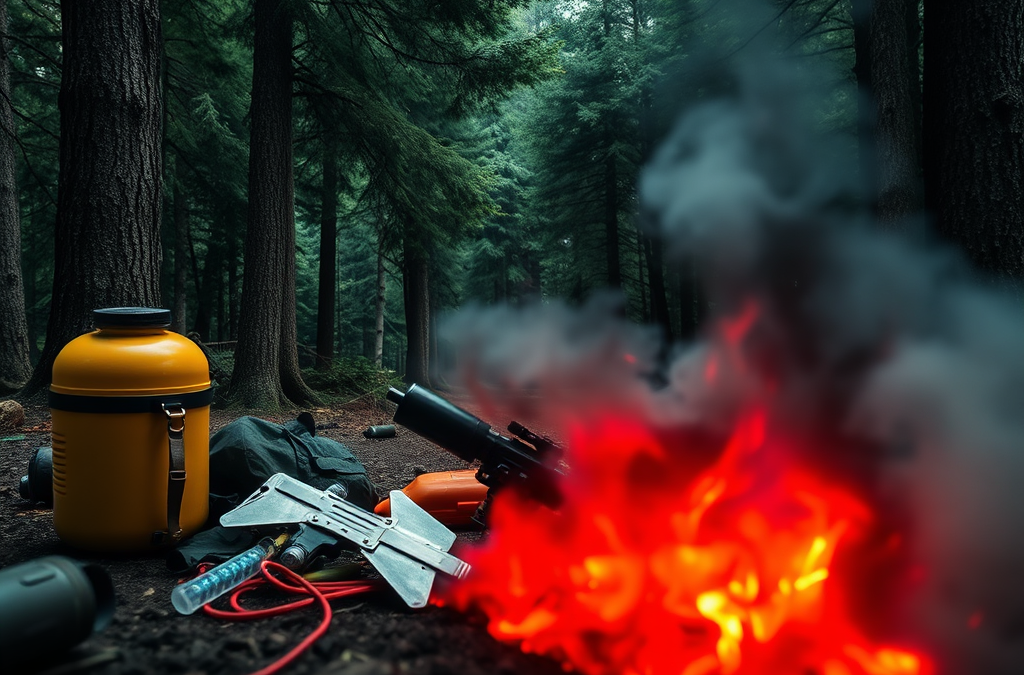
Having the right supplies on hand is critical for survival in an emergency. Basic supplies should include non-perishable food, clean water, first aid kits, flashlights, batteries, and personal hygiene items. Additionally, consider including tools, blankets, and any necessary medications.

It’s imperative to regularly check and update your supplies. Many people make the mistake of assuming their emergency kits are always ready to go. Rotating food and ensuring that all items are functional and within expiration dates is crucial to maintaining readiness.
Training and Skill Development
Basic survival readiness requires more than just having supplies; it also involves developing essential survival skills. Consider taking courses in first aid, CPR, and wilderness survival. These skills can be invaluable in emergencies and can make the difference between life and death.
Regularly practicing these skills ensures that they become second nature. Engaging with local survival groups or attending workshops can provide both knowledge and community support. Many people underestimate the importance of training, believing that supplies alone will suffice.
Communication Strategies
Effective communication during emergencies is vital for coordinating efforts and ensuring the safety of loved ones. Establish a communication plan that includes how family members will reach each other during a crisis. This plan should encompass various scenarios, such as power outages or loss of cell service.
Include alternative communication methods, such as two-way radios or pre-established meeting points, to ensure everyone can connect when technology fails. Regularly review and update this plan to adapt to changing circumstances and ensure everyone is informed.

Further Reading
Authoritative Sources
- Ready.gov
ready.govThis government resource provides comprehensive information on emergency preparedness and response
- American Red Cross: Emergency Preparedness
redcross.orgOffers guidelines and resources for creating an emergency plan and assembling a survival kit
- FEMA
fema.govProvides information on disaster preparedness, response, and recovery resources
- National Geographic: Survival Skills
nationalgeographic.comInsights into essential survival skills and training resources
Frequently Asked Questions
What is basic survival readiness?
Basic survival readiness involves preparing for emergencies by having a plan, necessary supplies, and survival skills.
Why is an emergency plan important?
An emergency plan provides clear steps to follow during a crisis, improving response time and safety.
What should be included in a survival kit?
A survival kit should include food, water, medical supplies, tools, and personal hygiene items.
How often should I update my emergency supplies?
Regularly check and update supplies at least every six months to ensure they are functional and not expired.
What survival skills should I learn?
Consider learning first aid, CPR, and wilderness survival skills to enhance your readiness.
Conclusion
Basic survival readiness is essential for effectively navigating emergencies and ensuring the safety of yourself and your loved ones. Prioritize establishing a comprehensive emergency plan, gathering necessary supplies, and developing survival skills. Regularly review and update your strategies to adapt to changing circumstances and maintain your preparedness. By taking these proactive steps, you can significantly improve your chances of successfully managing any crisis that may arise.
Related Content
- 3 Common Myths About Emergency Preparedness Debunked
- Ready for Anything: Your Essential Guide to Emergency Preparedness
- Planning for the Unexpected: Pets and Disaster Preparedness
- How to Prepare for Disaster: 7 Effective Strategies for 2025
- Preparing Your Business for Natural Disasters: A Comprehensive Checklist




