
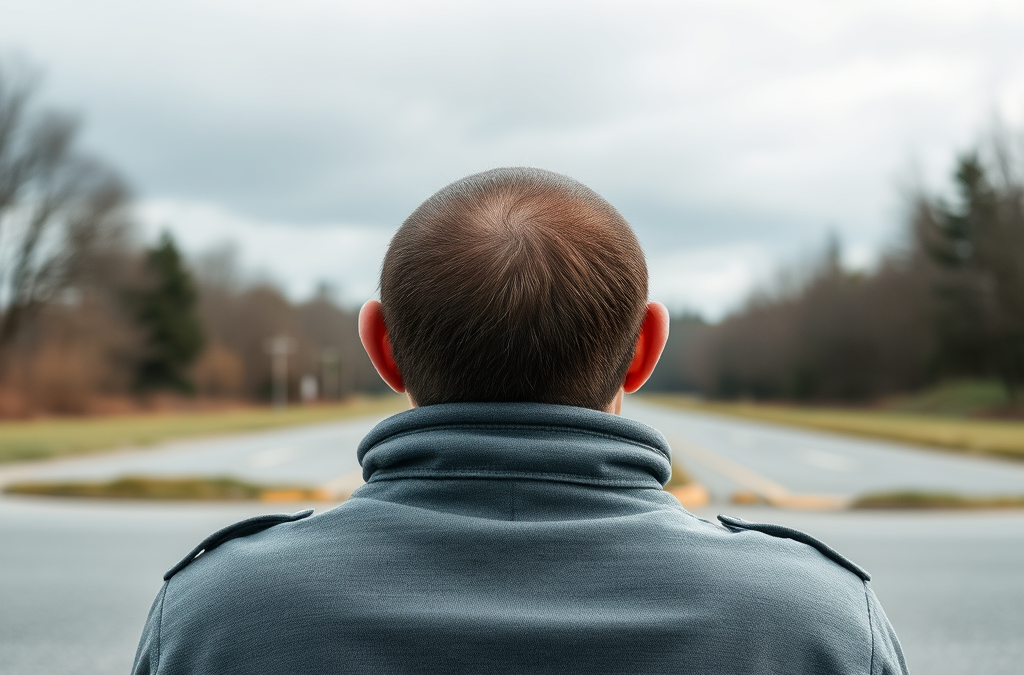
When individuals fail to prepare their minds for stressful situations, they may struggle with decision-making, experience heightened anxiety, and lack the resilience necessary to navigate challenges.
However, mental unpreparedness can lead to panic, poor judgment, and the inability to adapt to rapidly changing circumstances. For example, during emergencies, those lacking mental preparation may freeze or make irrational decisions, exacerbating the situation. To mitigate these risks, individuals should prioritize mental preparedness by practicing stress management techniques, such as mindfulness, visualization, and scenario-based training.
Moreover, engaging in realistic scenario planning can enhance one’s ability to cope with crises. By mentally rehearsing potential situations, individuals can develop a clearer understanding of their responses and decision-making processes. This practice not only reduces anxiety but also fosters greater confidence in one’s ability to handle emergencies. Ignoring mental preparedness can lead to significant consequences, including increased vulnerability in high-pressure situations and a diminished capacity to recover from setbacks.
The direct answer to The Dangers of Neglecting Mental Preparedness: Common Mistakes and Consequences depends on danger, neglecting, mental and the specific conditions described in the article. When individuals fail to prepare their minds for stressful situations, they may struggle with decision-making, experience heightened anxiety, and lack the resilience necessary to navigate challenges.
Understanding Mental Preparedness
Mental preparedness refers to the psychological readiness to face challenges, particularly in high-stress situations. It involves developing a mindset that allows individuals to remain calm and focused under pressure. Understanding this concept is essential, as many people equate preparedness solely with physical supplies or skills, ignoring the mental aspect. By recognizing that mental preparedness is as crucial as physical readiness, individuals can better equip themselves for unforeseen circumstances.
The importance of mental preparedness cannot be overstated; it serves as the foundation for effective action during emergencies. When individuals are mentally prepared, they can think clearly, make informed decisions, and maintain control over their emotions. Conversely, neglecting this aspect often leads to emotional distress, confusion, and ineffective responses during critical moments.

Common Mistakes in Mental Preparedness
One of the most significant mistakes people make regarding mental preparedness is underestimating its importance. Many assume that simply having physical supplies or plans in place is sufficient, overlooking the necessity of mental training. This oversight can lead to severe consequences when faced with real emergencies, as individuals may falter in their decision-making.
Another mistake is failing to engage in realistic scenario planning. Without practicing responses to potential crises, individuals may find themselves unprepared when faced with real-life situations. This lack of practice can result in a freeze response, where individuals are unable to act decisively. To avoid these pitfalls, it is vital to integrate mental preparedness into overall emergency planning.
Building Mental Resilience
Mental resilience is the ability to bounce back from adversity, stress, and uncertainty. Building this resilience is crucial for effective mental preparedness. One effective way to enhance resilience is through regular stress management techniques such as mindfulness, meditation, and cognitive behavioral strategies. These practices enable individuals to develop a greater awareness of their thoughts and emotions, allowing them to manage stress more effectively.
Additionally, fostering social connections and support systems can significantly enhance mental resilience. Engaging with others who share similar experiences can provide emotional support and practical advice during difficult times. By nurturing relationships and seeking help when needed, individuals can create a robust support network that bolsters their mental preparedness.
Practical Strategies for Improvement
To improve mental preparedness, individuals should implement practical strategies that can be integrated into their daily routines. One effective approach is to regularly practice visualization techniques, where individuals mentally rehearse various scenarios they may encounter. This helps to create familiarity with potential challenges and can reduce anxiety when faced with real-life situations.

Another strategy is to engage in regular physical exercise, which has been shown to improve mental health and resilience. Exercise can help alleviate stress and enhance mood, making it easier to cope with challenges. Combining physical activity with mental training creates a comprehensive preparedness plan that addresses both physical and psychological needs.
Further Reading
Authoritative Sources
- Ready.gov Preparedness Guidance
ready.govFederal preparedness guidance for household planning, alerts, supplies, and emergencies
- American Red Cross Emergency Preparedness
redcross.orgEmergency preparedness resources for families, disasters, and practical safety planning
- FEMA Preparedness Resources
fema.govNational preparedness resources for planning, mitigation, and response readiness
Frequently Asked Questions
What is mental preparedness?
Mental preparedness is the psychological readiness to face challenges and manage stress effectively in high-pressure situations.
Why is mental preparedness important?
It is essential for clear decision-making and maintaining control during emergencies, reducing the likelihood of panic and confusion.
What are common mistakes in mental preparedness?
Common mistakes include underestimating its importance and failing to practice realistic scenario planning.
How can I build mental resilience?
Mental resilience can be built through stress management techniques, such as mindfulness, and by fostering supportive social connections.
What practical strategies can improve mental preparedness?
Strategies include practicing visualization techniques and engaging in regular physical exercise to enhance mental health and resilience.
Conclusion
In conclusion, neglecting mental preparedness poses significant dangers that can hinder effective responses during crises. Building mental resilience and implementing practical strategies for improvement should be prioritized for anyone looking to enhance their overall preparedness. By recognizing the importance of mental readiness and actively engaging in practices that promote it, individuals can better equip themselves to navigate the challenges of unexpected situations with confidence and clarity.
Related Content
- The Ultimate Guide to Getting Prepared for Emergencies in 2025: 10 Effective Strategies
- The Ultimate Guide to Prepping for Disasters in 2025: 7 Effective Strategies
- What are the essential elements of an effective disaster response plan?
- How to Prepare Your Children for Natural Disasters
- 3 Common Myths About Emergency Preparedness Debunked




