
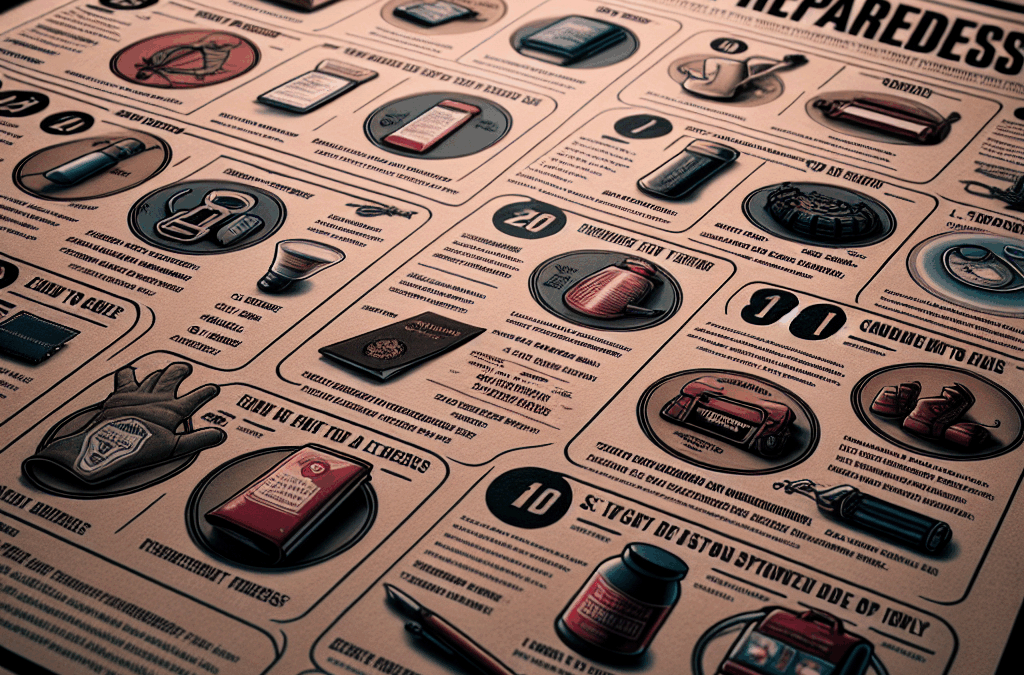
For instance, families with children may need to include additional supplies such as baby formula or diapers. Furthermore, maintaining a rotation system for food and other perishables is crucial to prevent waste and ensure that supplies remain usable. Regularly updating the storage with fresh items and reviewing the inventory helps avoid the pitfalls of being underprepared.
When considering emergency storage ideas, having a variety of non-perishable food items is vital. Regularly updating the storage with fresh items and reviewing the inventory helps avoid the pitfalls of being underprepared.
Essential Food Supplies
When considering emergency storage ideas, having a variety of non-perishable food items is vital. Foods such as canned goods, rice, pasta, and dehydrated meals can provide sustenance during emergencies. It is important to select foods that require minimal preparation and have a long shelf life. Additionally, including a mix of protein sources, such as canned beans or peanut butter, ensures balanced nutrition.
Smart storage practices involve keeping a detailed inventory of food supplies, noting expiration dates, and regularly rotating older items to the front. A common mistake people make is focusing solely on one type of food, which can lead to nutritional deficiencies during extended emergencies. Diversifying food options helps maintain morale and health.
Water Storage and Purification
Water is a critical component of emergency storage ideas, as it is essential for hydration and food preparation. It is recommended to store at least one gallon of water per person per day for a minimum of three days. Utilizing clean, food-grade containers for water storage can help maintain quality. Additionally, consider investing in water purification systems or tablets, which can be invaluable when access to clean water is compromised.
Many overlook the importance of water storage, leading to severe dehydration in emergency situations. Regularly checking and replacing stored water ensures that it remains safe for consumption. Understanding local water sources and having purification methods ready can significantly enhance preparedness.

First Aid and Medical Supplies
First aid kits are an essential part of emergency storage ideas, as they can address injuries or health issues that arise during a crisis. A well-stocked first aid kit should include bandages, antiseptics, pain relievers, and any necessary prescription medications. Customizing the kit based on individual and family health needs, such as including specific medications or allergy treatments, is crucial.
One frequent oversight is failing to regularly check the contents of the first aid kit. Expired medications or missing supplies can render the kit ineffective. Establishing a routine to review and restock the kit ensures it remains ready for use, providing peace of mind during emergencies.
Personal Documents and Important Information
Emergency storage ideas should encompass important personal documents and information, which can be critical during emergencies. This includes identification, insurance papers, medical records, and emergency contact information. Storing these documents in a waterproof and easily accessible container can prevent loss and facilitate quick retrieval.
Many individuals underestimate the importance of having personal documents readily available. In chaotic situations, having organized access to essential information can expedite processes such as medical treatment or evacuation. Regularly reviewing and updating these documents ensures they remain relevant and accurate.

Further Reading
Authoritative Sources
- Ready.gov Preparedness Guidance
ready.govFederal preparedness guidance for household planning, alerts, supplies, and emergencies
- American Red Cross Emergency Preparedness
redcross.orgEmergency preparedness resources for families, disasters, and practical safety planning
- FEMA Preparedness Resources
fema.govNational preparedness resources for planning, mitigation, and response readiness
Frequently Asked Questions
What should I include in my emergency storage?
Your emergency storage should include non-perishable foods, clean water, first aid supplies, and important personal documents.
How often should I check my emergency supplies?
It’s advisable to check your emergency supplies every six months to ensure that items are not expired and are in good condition.
What is the best way to store water for emergencies?
Store water in clean, food-grade containers and keep it in a cool, dark place. Replace the water every six months.
How can I make my own first aid kit?
To create your own first aid kit, include band-aids, antiseptic wipes, gauze, adhesive tape, and any personal medications needed.
Why is it important to have personal documents in emergency storage?
Having personal documents readily available is crucial for identification, accessing services, and facilitating communication during emergencies.
Conclusion
Incorporating effective emergency storage ideas into your preparedness plan is essential for ensuring safety and security during crises. By prioritizing non-perishable foods, clean water, first aid supplies, and important personal documents, you can create a well-rounded storage strategy. Regularly reviewing and updating your supplies will help maintain their effectiveness and ensure you are ready to respond to any situation. Take action now to safeguard your future and enhance your readiness for emergencies.
Related Content
- Emergency First Steps: Essential Actions to Take Immediately After an Incident
- Disaster Preparedness 101: What You Need to Know Before Hitting the Panic Button
- Shelter-in-Place Versus Evacuation During Extended Utility Failures: A Decision Checklist for Heat, Water, and Mobility
- The Challenges of Storing Large Quantities of Prepper Supplies: Space, Organization, and Preservation Strategies
- The Importance of Situational Awareness in Disaster Planning: Key Strategies and Real-World Applications




