
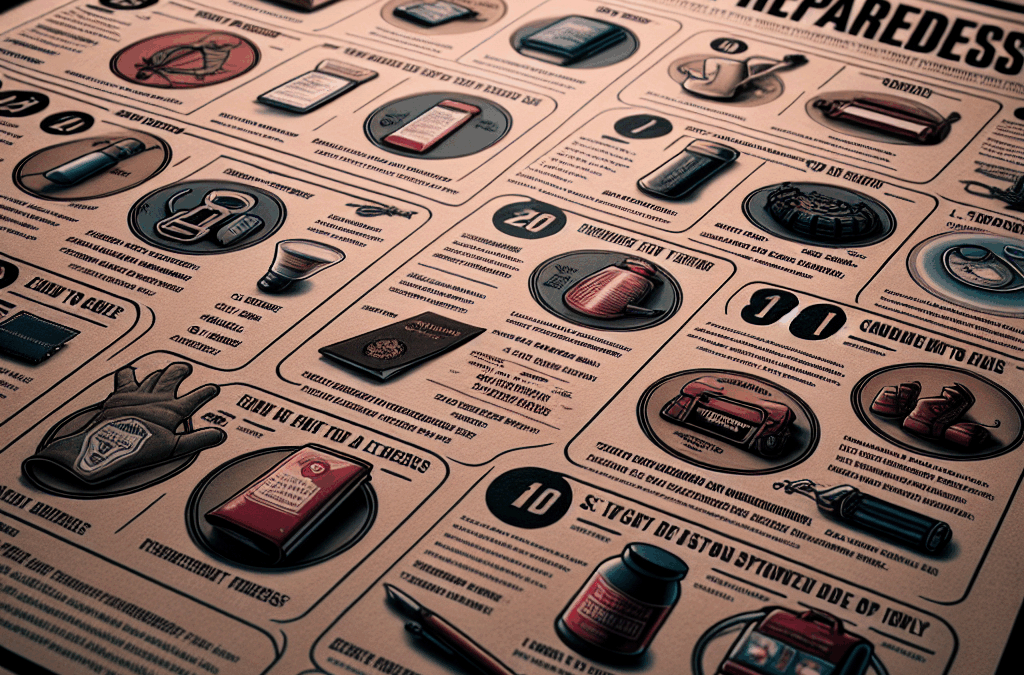
When creating your emergency storage checklist, it’s essential to prioritize the most critical items first. Consider factors such as the number of people in your household, specific dietary needs, and potential hazards in your area. For instance, if you live in a flood-prone region, prioritizing waterproof storage for important documents and medications is vital. Additionally, ensure your supplies are easily accessible and regularly updated to prevent spoilage and obsolescence.
Many people overlook the importance of including personal items in their emergency storage checklist. This can include things like spare clothing, hygiene products, and comfort items for children or pets. Failing to account for these personal needs can lead to increased stress during an emergency. Aim to create a well-rounded checklist that not only addresses basic survival needs but also considers emotional well-being.
Food and Water Supplies
Having an adequate supply of food and water is the foundation of any emergency storage checklist. Non-perishable food items such as canned goods, dried fruits, and nuts are excellent choices as they have a long shelf life and provide essential nutrients. Aim for a minimum of a three-day supply of food and at least one gallon of water per person per day. It’s also wise to consider special dietary needs and preferences.
In addition to food, ensure you have a reliable method for purifying water, especially if your water supply becomes contaminated during an emergency. Water purification tablets or filters can be invaluable in such situations. Regularly check the expiration dates on your food and water supplies to maintain their effectiveness.
It’s easy to underestimate how much food and water you’ll need, especially if you have a larger family or pets. Consider creating a rotation system for your supplies, using the oldest items first and replacing them to ensure you always have fresh stock on hand. This practice can also help you avoid waste and ensure your emergency supplies remain viable.
Medical Supplies
Medical supplies are another critical component of your emergency storage checklist. A well-stocked first aid kit should include bandages, antiseptic wipes, adhesive tape, and any necessary prescription medications. Additionally, consider including over-the-counter medications such as pain relievers, antihistamines, and cold/flu remedies.
Thank you for reading this post, don't forget to subscribe NOW for FREE!

When assembling your medical supplies, consider the specific health needs of your household members. For example, if someone has chronic health conditions, ensure you have an adequate supply of necessary medications. Regularly review and update your medical supplies to account for changes in your family’s health needs.
A common mistake is not accounting for the potential need for mental health support during emergencies. Consider including resources for stress relief, such as books, games, or comfort items, to help maintain morale during a crisis. Prioritizing mental well-being alongside physical health can make a significant difference in your family’s overall resilience.
Personal Documents and Essentials
In an emergency, having easy access to personal documents can be crucial for recovery and safety. This includes identification, insurance policies, medical records, and important financial documents. Store these items in a waterproof container to protect them from damage.
It’s also wise to have digital copies of these documents stored securely online or on a USB drive. This ensures you can access them even if physical copies are lost or destroyed. Regularly review and update your document storage to reflect any changes in your personal information.

Many individuals overlook the significance of including emergency contact information in their documents. Create a list of important contacts, including family members, doctors, and local emergency services. This can streamline communication and help you quickly reach out for assistance if needed.
Tools and Equipment
Having the right tools and equipment can make a significant difference in your ability to respond effectively during an emergency. This includes items such as flashlights, batteries, multi-tools, and emergency blankets. Ensure that your equipment is in working order and easily accessible.
When selecting tools, consider the specific needs of your household and the types of emergencies you are most likely to face. For instance, if you live in an area prone to power outages, investing in a portable generator or solar charger may be beneficial. Regularly test and maintain your equipment to ensure it functions correctly when needed.
A common pitfall is neglecting to practice using your emergency tools. Familiarize yourself and your family with how to operate equipment, such as generators or first aid kits. This preparation can save precious time during an actual emergency and enhance your family’s confidence in handling the situation.
Further Reading
For more information on emergency preparedness and storage, consider visiting reputable sources such as the Federal Emergency Management Agency (FEMA) or the American Red Cross. These organizations provide comprehensive resources and checklists tailored to various emergency scenarios.
Further Reading
Authoritative Sources
- Ready.gov
ready.govOfficial U.S. preparedness guidance, checklists, and planning resources for households and emergencies.
- FEMA
fema.govFederal emergency management resources, disaster planning information, and recovery guidance.
- American Red Cross Emergency Preparedness
redcross.orgPractical emergency preparation steps, supply lists, and safety guidance for families.
- National Weather Service
weather.govOfficial forecasts, hazard alerts, and weather safety information.
- CDC Emergency Preparedness and Response
cdc.govPublic health guidance for emergencies, disasters, and recovery situations.
Frequently Asked Questions
What items should be included in an emergency storage checklist?
Essential items typically include non-perishable food, water, medical supplies, personal documents, and tools for emergency situations.
How often should I update my emergency storage supplies?
It’s recommended to review and update your supplies every six months to ensure items are not expired and to adjust for any changes in your household.
How much water should I store for emergencies?
Plan for at least one gallon of water per person per day for at least three days, plus additional water for pets.
What are common mistakes when preparing an emergency storage checklist?
Common mistakes include underestimating the amount of food and water needed, neglecting personal items, and failing to regularly check expiration dates.
Why is mental health support important in emergencies?
Mental health support can help maintain morale and resilience during crises, making it essential to include comfort items and stress relief resources.
Conclusion
Creating a thorough emergency storage checklist is a vital step in ensuring your family’s safety and preparedness during unexpected situations. Focus on essential items like food, water, medical supplies, and personal documents, while also considering mental health support. Regularly review and update your supplies to adapt to changing needs and circumstances. By prioritizing these aspects, you can enhance your family’s resilience and readiness for any emergency.




