
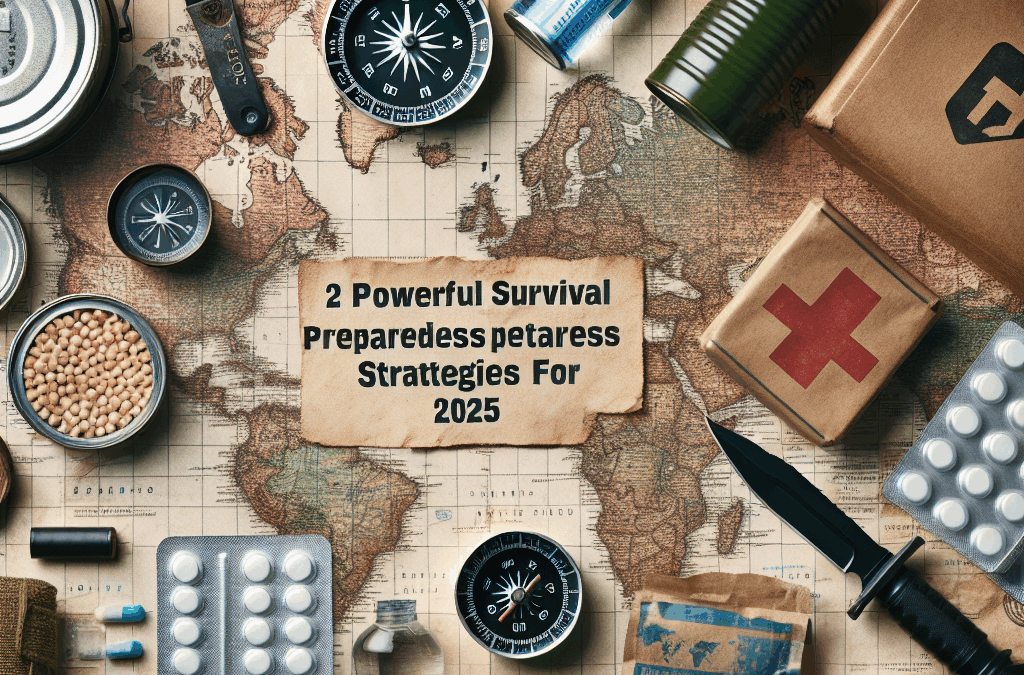
Understanding the implications of being unprepared is vital. Many people underestimate the importance of having a thorough emergency readiness checklist, often leading to panic and disorganization during crises. Common mistakes include failing to account for specific needs, such as medical conditions, and neglecting to update supplies regularly. Prioritizing the right items can enhance your readiness and response efficiency.
Moreover, a well-structured checklist can evolve based on changing circumstances and personal needs. For instance, families with children or elderly members may require additional items, such as diapers or specialized medications. Regularly reviewing and practicing your emergency plan will ensure that everyone knows their role, reducing stress and confusion when it matters most.
Creating a Comprehensive Emergency Readiness Checklist
To create an effective emergency readiness checklist, start by assessing your potential risks based on geographical location and family needs. Identify the types of emergencies most likely to occur, such as earthquakes, floods, or health crises, and tailor your checklist accordingly. This targeted approach ensures that your preparations address the specific challenges you may face.
Additionally, involve all family members in the planning process. This engagement fosters a sense of responsibility and awareness among everyone, ensuring that each person understands their role during an emergency. Consider conducting regular drills to practice the plan and make adjustments based on feedback and experiences.
Remember that a comprehensive checklist should be dynamic. As your family grows or changes, update the list to reflect new needs or resources. For example, adding baby supplies when expecting a child or incorporating mobility aids for elderly family members will enhance overall preparedness.
Essential Items to Include in Your Checklist
Your emergency readiness checklist should include vital resources that cater to immediate survival needs. Key items typically encompass non-perishable food, clean water, first aid supplies, medications, flashlights, batteries, and a multi-tool. Furthermore, consider adding personal documents, such as identification and insurance information, stored in a waterproof container.
Thank you for reading this post, don't forget to subscribe NOW for FREE!

When selecting food and water supplies, aim for at least a three-day supply per person. Opt for calorie-dense foods that require minimal preparation, such as canned goods, granola bars, and dried fruits. Ensure that your water supply is adequately stored in food-grade containers, and regularly check expiration dates on food and medications.
Moreover, communication tools are essential during emergencies. Include a battery-operated radio and a charged power bank for mobile devices to stay informed and connected. Establish a family communication plan that designates a meeting point and a method for reaching each other in case of separation.
Common Mistakes to Avoid in Emergency Preparedness
Many individuals and families overlook crucial aspects of emergency preparedness, leading to ineffective plans. One common mistake is failing to tailor the checklist to meet specific needs, such as dietary restrictions or medical conditions. This oversight can hinder survival efforts and increase stress during emergencies.
Another frequent error is neglecting to practice the emergency plan. While having a checklist is vital, understanding how to implement it under pressure is equally crucial. Regular drills can help reinforce roles and responsibilities, ensuring that everyone is prepared to act swiftly and effectively.
Additionally, many people forget to update their supplies. Regularly checking expiration dates and replenishing items as needed will ensure that your emergency readiness checklist remains effective. Ignoring this maintenance can result in relying on expired medications or spoiled food when it matters most.

Maintaining and Reviewing Your Checklist Regularly
Maintaining your emergency readiness checklist is just as important as creating it. Set a schedule for regular reviews, ideally every six months, to assess the list’s relevance and effectiveness. During these reviews, evaluate any changes in your family situation, such as new additions or shifts in health needs, and adjust the checklist accordingly.
Consider keeping a digital version of your checklist for easy access and updates. Many families find it helpful to use apps that allow for real-time collaboration, enabling everyone to contribute to the checklist maintenance. This collaborative approach fosters a sense of shared responsibility and ensures that all family members are aware of the current plan.
Additionally, practicing your emergency plan during these reviews can help identify any gaps in the checklist or areas for improvement. Encourage feedback from all family members to refine the plan continuously.
Further Reading
Authoritative Sources
- Ready.gov
ready.govA comprehensive resource from FEMA that provides detailed guidelines on emergency preparedness, including checklists tailored to various situations
- American Red Cross
redcross.orgOffers essential tips and resources on creating an emergency kit and responding to different types of emergencies
- CDC Emergency Preparedness
cdc.govProvides health-focused guidance on preparing for emergencies, including specific recommendations for various disaster scenarios
Frequently Asked Questions
What should be included in an emergency readiness checklist?
Essential items include non-perishable food, water, first aid supplies, medications, flashlights, batteries, and important documents.
How often should I update my emergency checklist?
Review and update your checklist at least every six months or whenever there are changes in your family situation or needs.
What common mistakes should I avoid in emergency preparedness?
Common mistakes include failing to tailor the checklist to your specific needs, neglecting to practice the plan, and not regularly updating supplies.
How can I involve my family in emergency preparedness?
Involve family members in the planning process, assign roles, and conduct regular drills to ensure everyone understands their responsibilities during an emergency.
What should I do if my emergency supplies expire?
Replace expired items immediately and check the entire checklist regularly to ensure all supplies are current and usable.
Conclusion
In summary, maintaining an effective emergency readiness checklist is crucial for ensuring safety and preparedness in the face of unexpected events. Prioritize tailoring the checklist to your unique needs, regularly updating supplies, and practicing your emergency plan with family members. By fostering a culture of preparedness, you can enhance your ability to respond effectively during crises and safeguard the well-being of your loved ones.
Related Content
- Best Ways to Secure Temporary Shelter
- Mitigation and Preparedness Decisions for the Same Hazard Through a Risk-Based Action Plan
- How to Protect Your Home from Earthquakes
- The Ultimate Guide to Survival Food Supply Strategies for 2025
- Preparing for the Worst: A Comprehensive Checklist for Disaster Preparedness




