
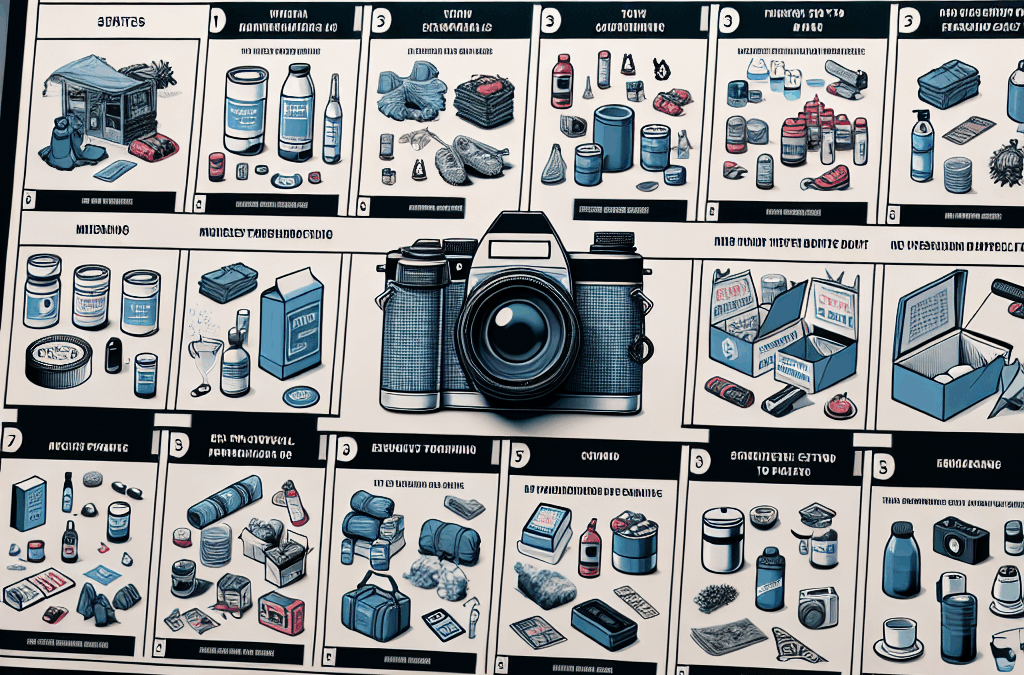
When considering your emergency supplies, it’s important to prioritize items based on the types of emergencies you may face. For example, in areas prone to natural disasters like hurricanes or floods, waterproof storage for vital supplies is crucial. Common mistakes include failing to update supplies regularly, not accounting for specific family needs (like medications), and underestimating the amount of water and food required for each person.
Furthermore, many individuals overlook the importance of communication tools, such as battery-operated radios or portable chargers for cell phones, which can be lifesaving during power outages. Creating a well-rounded emergency supply kit tailored to your unique situation can enhance your preparedness significantly.
Water and Food Supplies
Water and food supplies are the cornerstones of any emergency preparedness plan. The general guideline is to store at least one gallon of water per person per day for at least three days, which is essential for hydration and sanitation. Non-perishable food items, such as canned goods, dried fruits, and energy bars, also need to be included in your kit to ensure you have enough sustenance during an emergency.
Consideration should be given to dietary restrictions and preferences when selecting food items. It’s also essential to rotate supplies periodically to prevent spoilage and ensure freshness. A common pitfall is stocking up on items that require cooking or extensive preparation, which may not be feasible in an emergency scenario.
Additionally, storing a portable water filter or purification tablets can provide a backup source of clean drinking water, especially in situations where tap water may become contaminated.
First Aid Kits and Medical Supplies
A well-stocked first aid kit is essential for treating injuries that may occur during emergencies. Basic supplies should include adhesive bandages, antiseptics, gauze pads, scissors, and any personal medications that family members may need. Consider adding emergency items like splints and burn dressings, which can address a range of injuries.
Thank you for reading this post, don't forget to subscribe NOW for FREE!

It’s crucial to check the contents of your first aid kit regularly and replace expired items. Many people underestimate the importance of including a manual or instructions for administering first aid, which can be invaluable in crisis situations.
Furthermore, familiarize yourself with basic first aid techniques before an emergency occurs. Take a certified first aid course to ensure that you can respond effectively if injuries arise.
Emergency Tools and Equipment
Having the right tools and equipment can greatly enhance your ability to manage an emergency. Essential items include a multi-tool or Swiss army knife, duct tape, a fire starter, and a sturdy flashlight. These tools can help you address a variety of situations, from repairs to signaling for help.
Investing in a portable generator can also be beneficial, especially during prolonged power outages. However, it’s important to understand how to operate it safely to avoid carbon monoxide poisoning. A frequent mistake is purchasing equipment without understanding its maintenance or operational requirements.
Moreover, consider adding a whistle and signal mirror to your emergency kit. These items can provide a means of communication if you need to signal for help but lack other resources.

Communication and Lighting
Communication and lighting are often overlooked in emergency kits. Battery-operated or solar-powered lanterns are preferable to candles, as they reduce fire risks and provide longer-lasting light. Additionally, a hand-crank or solar-powered radio can help you stay informed about emergency updates.
It’s also wise to keep a list of emergency contacts and important documents in your kit. This includes insurance information, medical records, and identification. Many people fail to prepare for communication, assuming their cell phones will always work; however, power outages or damaged networks can hinder access.
Moreover, consider investing in a power bank to keep your devices charged in case of an outage. This small investment can make a significant difference in your ability to stay connected during emergencies.
Further Reading
Authoritative Sources
- Ready.gov
ready.govThis government resource provides comprehensive information on emergency preparedness and supplies
- Red Cross Emergency Preparedness
redcross.orgOffers guidelines on creating emergency kits and preparation for various scenarios
- CDC Emergency Preparedness
cdc.govProvides vital information on public health preparedness and emergency supply recommendations
Frequently Asked Questions
What are the most important emergency supplies to have?
The most important emergency supplies include water, non-perishable food, first aid kits, flashlights, batteries, and communication devices.
How long should emergency food supplies last?
Emergency food supplies should last for at least three days, ideally enough for each person to have at least 2,000 calories per day.
How often should I check my emergency supplies?
What should I include in a first aid kit?
You should check your emergency supplies at least every six months to replace expired items and ensure everything is functional.
How can I ensure my water supply is safe?
To ensure your water supply is safe, store it in clean, food-grade containers and consider using purification tablets or filters.
What types of communication tools should I have?
Essential communication tools include battery-operated radios, fully charged power banks, and a list of emergency contacts.




