
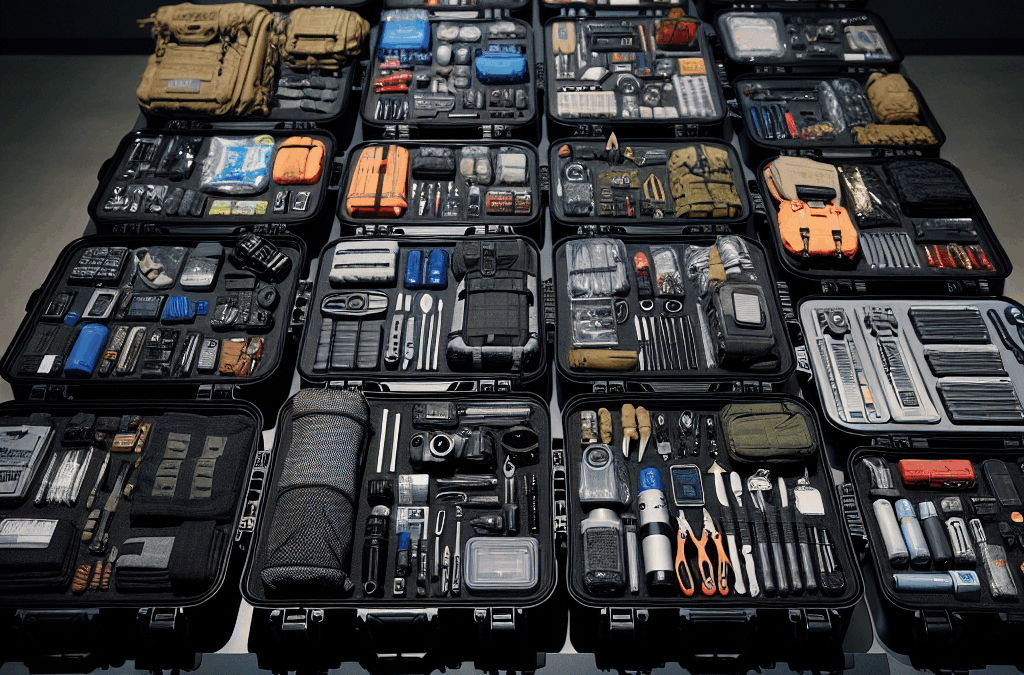
Being prepared for emergencies is not just about having supplies; it’s about understanding the nuances of effective response strategies. Emergency response essentials include not only physical items like first aid kits and food supplies but also knowledge and skills that can make a crucial difference in critical situations. This guide will provide you with the foundational elements necessary for effective emergency preparedness.
Many individuals underestimate the importance of training and knowledge in emergency response. A common pitfall is relying solely on a stocked emergency kit without understanding how to use its contents effectively. Additionally, mistakes often arise from assuming that help will arrive quickly, which can lead to inadequate personal preparation. Recognizing these challenges is key to building a robust emergency response plan.
Understanding Basic Emergency Supplies
At the core of emergency response essentials is the need for an adequately stocked emergency kit. This kit should include items like water, non-perishable food, a flashlight, batteries, a first aid kit, and necessary medications. The specific contents may vary based on individual needs, household size, and the types of emergencies most likely to occur in your area.
When assembling your emergency kit, prioritize items that serve multiple purposes. For instance, a multi-tool can replace several individual tools, saving space while ensuring versatility. Additionally, regularly check expiration dates on food and medical supplies, as neglecting this can lead to ineffective resources during a crisis.
Essential Skills for Effective Response
Knowing how to use the items in your emergency kit is just as important as having the kit itself. Essential skills include basic first aid, CPR, and knowledge of emergency communication plans. Many people mistakenly believe that these skills are only necessary for healthcare professionals, but they are invaluable for any individual in a crisis.
Investing time in training courses can significantly enhance your preparedness. Local organizations, such as the Red Cross, offer classes that cover a range of emergency response topics. Additionally, practicing these skills with family members ensures that everyone knows their role during an emergency, reducing panic and confusion.
Thank you for reading this post, don't forget to subscribe NOW for FREE!

Creating a Family Emergency Plan
A comprehensive family emergency plan outlines what each member should do before, during, and after an emergency. This plan should include escape routes, meeting points, and communication strategies. One common oversight is failing to account for pets, which can lead to additional stress and complications during a crisis.
Regularly review and practice your emergency plan with the entire family. This ongoing process helps to identify potential gaps and ensures everyone is familiar with their responsibilities. Consider adapting your plan based on changes in family dynamics or living situations to maintain its effectiveness.
Community Resources and Support
Emergency preparedness is not just an individual responsibility; community resources play a critical role. Local emergency services, community centers, and volunteer organizations can provide support and information on local hazards. Ignoring these resources can result in missed opportunities for enhanced preparedness.
Engaging with your community can also foster relationships that are invaluable during emergencies. Participate in local preparedness events or join community response groups to share knowledge and resources. Understanding the strengths and weaknesses of your community’s emergency response can help you better prepare for collective challenges.

Further Reading
For more in-depth information on emergency response essentials, consider exploring resources from reputable organizations that specialize in disaster preparedness and response.
Authoritative Sources
- Ready.gov
ready.govA comprehensive resource for emergency preparedness, offering tools and information for individuals and families
- American Red Cross
redcross.orgProvides training courses, emergency kits, and disaster response services
- FEMA
fema.govOffers guidelines and resources for disaster preparedness and recovery
- CDC Emergency Preparedness
cdc.govFocuses on health-related emergencies and provides resources for public health preparedness
Frequently Asked Questions
What should I include in my emergency kit?
Your emergency kit should include water, non-perishable food, a flashlight, batteries, a first aid kit, medications, and important documents.
How often should I update my emergency plan?
Review your emergency plan at least once a year or whenever there are significant changes in your household or living situation.
Where can I find training for emergency response skills?
Organizations like the Red Cross offer training courses for first aid, CPR, and disaster response skills.
How can I involve my community in emergency preparedness?
Participate in local preparedness events, engage with community response groups, and share resources and knowledge with neighbors.
What is the most common mistake in emergency preparedness?
Relying solely on emergency kits without proper knowledge of how to use the items effectively is a frequent oversight.
Conclusion
In conclusion, understanding emergency response essentials is crucial for ensuring safety and resilience in the face of crises. Prioritize assembling a well-stocked emergency kit, acquiring essential skills, and creating a comprehensive family emergency plan. Engage with community resources to enhance your preparedness and build a network of support. By taking these steps, you empower yourself and your loved ones to face emergencies with confidence.
Related Content
- How to Prepare for a Natural Disaster: A Step-by-Step Guide
- Community Readiness Support: Key Strategies for Effective Local Engagement
- Exactly how to Begin Setting Up Your Emergency Food Storage
- The Role of Training in Effective Emergency Response: Key Methods and Real-World Applications
- Planning for the Long Haul: Living Off-Grid Essentials




