
basic prepping tips
In today’s unpredictable world, having a solid understanding of basic prepping tips is not just advisable; it’s essential. Whether it’s natural disasters, civil unrest, or other emergencies, being prepared can make a significant difference in your family’s safety and well-being. This article will explore practical steps to enhance your readiness through effective basic prepping tips, ensuring you feel confident and secure in any situation.
Many people underestimate the importance of being prepared, often believing that emergencies won’t happen to them. However, the reality is that disasters can strike at any moment. By implementing basic prepping tips, you can mitigate risks, protect your loved ones, and navigate the challenges that come your way. Let’s dive into the essential strategies you need to adopt.
Understanding Basic Prepping
What is Prepping?
Prepping refers to the act of preparing for emergencies, disasters, or any unforeseen circumstances. It involves creating plans, gathering supplies, and ensuring that you and your family can handle various situations effectively. Understanding what prepping entails is the first step toward implementing basic prepping tips.
Why is it Important?
Thank you for reading this post, don't forget to subscribe NOW for FREE!

The importance of prepping cannot be overstated. Recent events have shown that natural disasters and emergencies can happen unexpectedly. By being prepared, you can reduce anxiety, ensure your family’s safety, and maintain a sense of control during chaotic times.
Creating Your Emergency Plan
Step 1: Assessing Risks
Start by identifying potential risks in your area, such as floods, earthquakes, or civil unrest. Understanding these threats will help you tailor your emergency plan effectively.
Step 2: Developing a Communication Strategy
- Establish a meeting point for your family.
- Ensure everyone knows how to reach each other in case of separation.
- Designate an out-of-town contact for communication.
Step 3: Practice Regularly
Conduct regular drills to ensure everyone knows their roles and responsibilities during an emergency. This practice can significantly enhance your preparedness.
Building a Supply Kit
Essential Items to Include
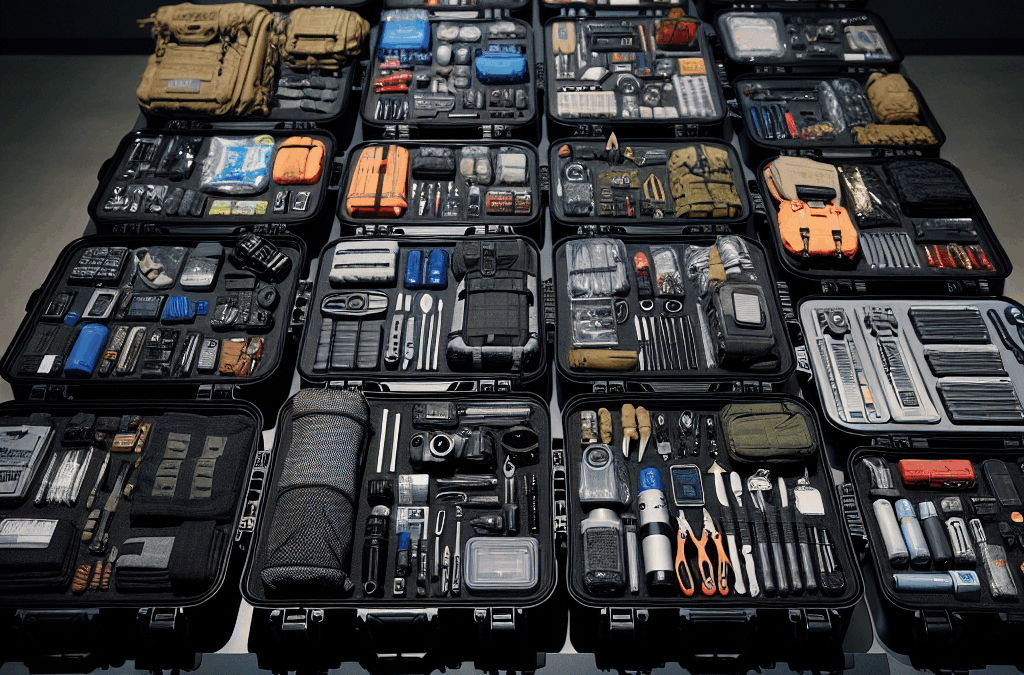
Your emergency supply kit should contain:
- Water: At least one gallon per person per day for three days.
- Non-perishable food: A three-day supply of food items.
- First aid kit: Include bandages, antiseptics, and necessary medications.
- Flashlights and batteries: Ensure you have reliable light sources.
- Multi-tool or knife: Useful for various tasks.
- Personal documents: Keep copies of important documents in a waterproof container.
Common Mistakes to Avoid
When building your supply kit, it’s crucial to avoid common pitfalls:
- Neglecting to rotate supplies: Check expiration dates regularly and replace items.
- Overlooking individual needs: Consider personal requirements such as baby formula or pet supplies.
- Failing to store items properly: Ensure your supplies are in a cool, dry place.
Staying Informed and Prepared
Monitoring Local Alerts
Stay updated on local news and weather alerts. Use apps or services that provide real-time information about emergencies in your area.
Reviewing and Updating Your Plan
Regularly revisit your emergency plan and supply kit. As your family grows or circumstances change, your prepping strategies should adapt accordingly.
References and Resources
These resources provide valuable information about basic prepping tips. Check them out for additional insights:
Authoritative Sources on basic prepping tips
-
Ready.gov
ready.govA comprehensive resource for emergency preparedness provided by the U.S. Department of Homeland Security.

-
American Red Cross – Emergency Preparedness
redcross.orgOffers guidance on creating emergency plans and building disaster supply kits.
-
National Fire Protection Association – Emergency Preparedness
nfpa.orgProvides insights on fire safety and emergency preparedness tips.
-
FEMA – Emergency Management
fema.govFederal resources for creating effective emergency plans.
-
Meridian Health – Preparedness
meridianhealth.comFocuses on health-related emergency preparedness tips.
-
CDC – Disaster Preparedness
cdc.govCenters for Disease Control and Prevention’s insights on disaster preparedness.
-
National Geographic – Natural Disaster Preparedness
nationalgeographic.comOffers a detailed guide on preparing for various natural disasters.
-
Nolo – Planning for Emergency Preparedness
nolo.comLegal insights on emergency preparedness and planning.
Frequently Asked Questions
What are basic prepping tips?
Basic prepping tips involve strategies for preparing for emergencies, including creating an emergency plan, building a supply kit, and staying informed about potential threats. These practices help ensure safety during unforeseen events.
How do I start with basic prepping tips?
Begin by assessing risks in your area, developing an emergency plan, and gathering essential supplies. Regularly review and practice your plan to ensure everyone is prepared.
What should I include in my emergency supply kit?
Your kit should contain water, non-perishable food, a first aid kit, flashlights, batteries, and personal documents. Tailor it to meet your family’s specific needs.
How often should I update my prepping strategies?
Review your emergency plan and supply kit at least once a year, or more frequently if your family circumstances change. This ensures your preparations remain relevant and effective.
Where can I find more information on basic prepping tips?
Numerous resources are available, including government websites like Ready.gov and the American Red Cross. These sites provide comprehensive information on emergency preparedness.
Conclusion
In conclusion, implementing basic prepping tips is crucial for ensuring your family’s safety and preparedness in emergencies. By understanding potential risks, creating a solid emergency plan, and building a comprehensive supply kit, you can significantly enhance your readiness. Remember, the goal is to stay informed and adaptable, regularly reviewing your strategies to ensure they meet your evolving needs. Don’t wait for an emergency to take action; start preparing today to unlock peace of mind for you and your loved ones.
Related Content
- How to Choose the Right Shelter for Emergencies: Key Factors and Practical Considerations
- Preparedness for Uncertain Times: Essential Strategies for Building Resilience
- How to Stay Focused During Crisis Events
- How to Start a Fire Without Matches
- Prepare for EMP: Understanding the Importance of Electromagnetic Pulse Protection




