
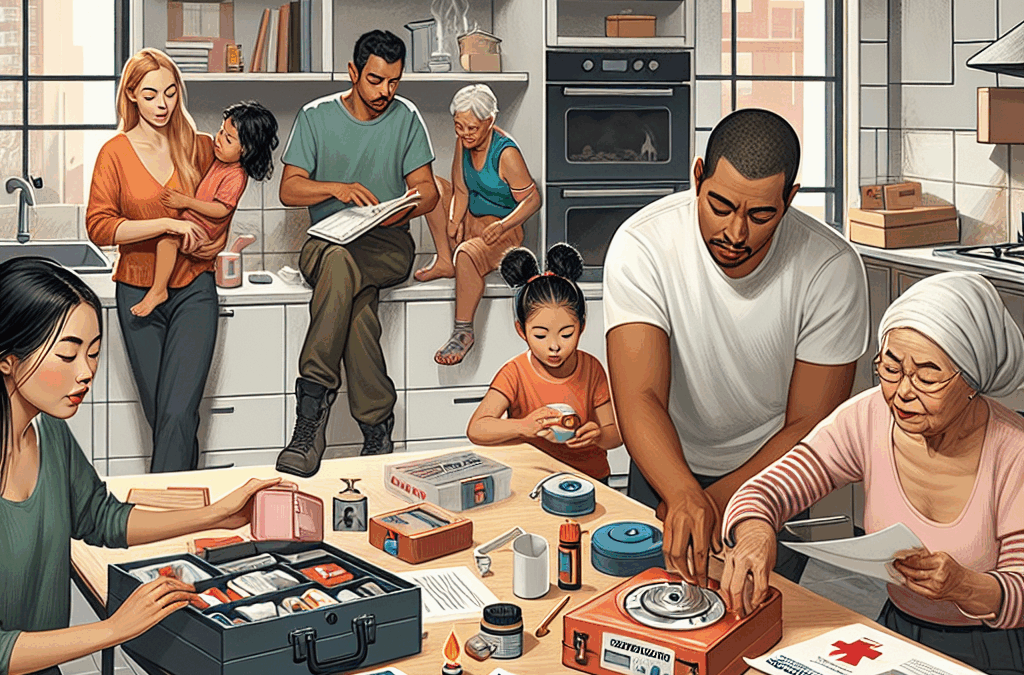
1. Essential First Aid Supplies
Why a Comprehensive First Aid Kit is Critical
In any emergency scenario, having a well-stocked first aid kit is essential. It can mean the difference between managing minor injuries effectively or risking infection and complication. In 2025, with increased focus on preparedness, ensuring your emergency kit supplies include a variety of first aid items is more important than ever.
A good first aid kit should contain bandages, antiseptics, tweezers, scissors, and pain relievers. These supplies help you respond quickly to cuts, bruises, or burns caused by natural disasters, accidents, or other emergencies. Remember, the goal is to control bleeding, prevent infection, and stabilize injuries until professional help arrives.
Updating Your First Aid Supplies for 2025
As medical standards evolve, so should your emergency kit. Incorporate current best practices by including items like sterile gauze, antibiotic ointments, and personal medications. Additionally, consider including supplies for specific needs, such as allergy medications or diabetic supplies, to address individual health concerns.
Thank you for reading this post, don't forget to subscribe NOW for FREE!

Research shows that having immediate access to proper first aid supplies can reduce recovery time and prevent minor injuries from worsening. Regularly review and replenish your first aid section, ideally every 6 to 12 months, especially in 2025 when new products frequently hit the market.
2. Food and Water Provisions
Stocking Up on Emergency Food Supplies
One of the most important components of your emergency kit supplies in 2025 is a sufficient supply of non-perishable food. Opt for items with a long shelf life, such as energy bars, canned foods, dehydrated meals, and powdered drink mixes. Experts recommend storing at least a 72-hour supply per person, but a 7-day supply is even better for extended emergencies.
Innovations in food preservation and packaging mean you can access lightweight, easy-to-prepare options that retain nutritional value for years. Remember to include special dietary items if needed, and rotate your stock regularly to prevent expiration.
Ensuring Access to Clean Water
Water is critical â without it, survival is impossible beyond a few days. In 2025, storing at least 1 gallon per person per day is recommended by most emergency preparedness agencies. Additionally, including water purification tablets, portable filters, or boiling equipment in your emergency kit supplies ensures you can make unsafe water safe to drink.
Proper hydration supports your immune function, helps regulate body temperature, and improves overall resilience during emergencies. Keep backup water sources in your kit and test purification methods periodically to ensure effectiveness.
3. Power Sources and Charging Devices
Portable Power Banks and Solar Chargers
In 2025, staying connected during an emergency is more vital than ever. Power sources such as portable power banks, solar chargers, and backup batteries can keep your devices functioning when grid power is down. Invest in high-capacity, weather-resistant models to ensure durability and performance.
Power banks can charge smartphones, GPS units, flashlights, and other essential devices. Solar chargers harness renewable energy, providing an environmentally friendly way to recharge electronics without electricity. Including multiple charging options in your emergency kit supplies guarantees connectivity in various scenarios.
Strategies for Long-Term Power Solutions
For extended emergencies, consider integrating larger backup power supplies like solar generators or hand-crank chargers. These can provide electricity for critical devices and even small appliances. Properly storing these power sources, ensuring they are fully charged, and maintaining them regularly is key to readiness.
Monitoring technological advancements in portable power in 2025 will help you select the most reliable and efficient devices. Always include charging cables and adapters suited for your devices in your emergency kit supplies.
4. Personal Hygiene Items
Maintaining Hygiene to Prevent Illness
Good hygiene is often overlooked in emergency preparedness, but it is crucial in preventing infections and disease spread. Your emergency kit supplies should include hand sanitizers, moist towelettes, soap, toothbrushes, and feminine hygiene products.
In 2025, focus on eco-friendly and compact options. Reduce bulk while ensuring enough supplies for your household. Regular handwashing and hygiene practices are fundamental in disaster scenarios, where sanitation facilities may be compromised.
Innovative Hygiene Solutions for 2025
New products like portable bidets, biodegradable wipes, and refillable soap dispensers enhance hygiene even in challenging environments. Incorporating these into your emergency kit supplies helps you stay clean and healthy longer during crises.
Additionally, personal hygiene supports psychological well-being, making it easier to cope with stressful situations. Remember to update your supplies periodically and include personal medications and skincare items as needed.
5. Weather-Appropriate Clothing
Preparing for All Weather Conditions
Having suitable clothing in your emergency kit supplies is essential to adapt to changing weather conditions. In 2025, anticipate more unpredictable weather patterns, making layered clothing, waterproof gear, and thermal wear indispensable.
Consider including essentials like waterproof jackets, warm blankets, hats, gloves, and moisture-wicking base layers. Proper clothing helps prevent hypothermia or heat exhaustion during natural disasters like storms, floods, or snowstorms.
Choosing Versatile and Compact Clothing
Opt for lightweight, quick-drying, and multifunctional clothing that can be rolled or folded compactly. This allows you to maximize space in your emergency kit. Also, consider climate-specific gear based on your geographic location.
Label your clothing supplies clearly and check for wear and tear periodically. Having the right clothing in your emergency kit supplies can significantly improve safety and comfort during extended crises.
6. Communication Devices
Staying Connected During Emergencies
Effective communication is vital to coordinate rescue efforts and stay informed. Your emergency kit supplies should include batteries, multi-purpose radios, walkie-talkies, or satellite phones, especially for 2025 scenarios where network disruptions are common.

Incorporate a NOAA weather radio to receive updates and alerts in real-time. Also, consider including a portable charger for your devices and printed emergency contact lists as backup communication methods.
Innovative Communication Tools for 2025
Emerging tech in 2025 offers mesh networks and apps that facilitate local communication without cellular service. These tools can be lifesaving in densely populated or remote areas. Make sure to download relevant apps and have physical backup methods available.
Properly testing and maintaining your communication devices ensures they work when needed. Training family members on their use can also prevent confusion during a crisis.
7. Security and Safety Items
Protecting Yourself and Your Loved Ones
Safety should be a top priority when assembling your emergency kit supplies. Items like pepper spray, whistles, flashlights, and sturdy locks can help secure your environment in a crisis situation.
In 2025, threats may include both natural disasters and civil unrest. Preparing with safety gadgets can help deter intruders, signal for help, or light your way in dark conditions. Remember, personal protection gear should be accessible but stored securely.
Additional Safety Strategies for 2025
Including durable flashlights with extra batteries, small defensive tools, and cell phone signal boosters can enhance safety during emergencies. Educate your household on situational awareness and safe practices.
Your emergency kit should be versatile enough to address various security concerns while remaining convenient to carry or store. Staying vigilant and prepared is key to overall safety.
8. Important Documents
Keeping Vital Records Secure and Accessible
Digital and physical copies of critical documents should be part of your emergency kit supplies. This includes identification papers, insurance policies, medical records, and bank information. Store these securely yet accessibly to facilitate quick recovery after an event.
In 2025, consider using encrypted digital backups on secure cloud storage, along with waterproof, fireproof containers for hard copies. Label and organize these documents for effortless retrieval during stressful moments.
Best Practices for Document Management in 2025
Regularly review and update your files, especially after life changes or annually. Have a dedicated folder or digital app that allows you to access your documents remotely if needed. Remember, a well-prepared emergency kit includes your essential paperwork.
Ensuring your documents are protected and easy to find helps speed up insurance claims, medical treatment, and identity verification when disaster strikes.
9. Emergency Tools and Equipment
Must-Have Tools for Crisis Situations
From multi-tools and utility knives to fire starters and duct tape, your emergency kit supplies should contain a variety of reliable tools. These are indispensable for repairs, constructing shelter, or self-defense during unpredictable situations.
Assessing your needs based on the most likely emergencies in 2025 is important. Consider tools that are lightweight yet durable, with multi-function designs to maximize space and utility.
Investment in Quality and Durability
Quality tools last longer and perform better when you need them most. Brands with proven track records are recommended. Keep tools clean, sharp, and properly stored to ensure functionality at all times.
Additionally, include some basic repair kits, flashlights, and emergency blankets to be fully prepared in all circumstances.
10. Additional Useful Supplies
Extras to Consider for a Well-Rounded Emergency Kit
Finally, consider including extra items like cash (small bills), maps, masks, gloves, and entertainment materials such as books or cards. In 2025, these little extras can significantly improve your mental health and adaptability during long-term crises.
Planning for specific needs such as pet supplies, children’s items, or senior care products ensures your entire household is covered. Customizing your emergency kit supplies to your personal circumstances is a smart move.
Tips for Maintaining Your Additional Supplies
Establish a routine to check and replenish these extra supplies annually. Keep everything in a designated, easily accessible container. Also, label items clearly to prevent confusion during stressful times.
Having a comprehensive array of additional supplies ensures you’re prepared for anything, giving you peace of mind in 2025 and beyond.
Conclusion
In the ever-changing landscape of emergency preparedness, assembling the right emergency kit supplies is crucial. From first aid essentials and food provisions to power sources and personal safety gear, each item plays a vital role in ensuring your safety and well-being. As we move into 2025, staying updated on the latest recommendations and continuously refining your emergency kit supplies will help you face any crisis with confidence. Remember, being prepared with the right emergency kit supplies is not just about stockpilingâit’s about peace of mind and resilience when it matters most.
Frequently Asked Questions
- What are the most essential emergency kit supplies for 2025? The most essential supplies include first aid kits, food and water, power sources, communication devices, and safety gear. Prioritize items that meet your specific needs and are easy to access in emergencies.
- How often should I review and update my emergency kit supplies? It’s recommended to review your emergency kit supplies every 6 to 12 months. Replace expired foods, worn-out supplies, and update documents to stay current.
- Can I customize my emergency kit supplies for different emergencies? Absolutely. Tailoring your supplies for scenarios like floods, earthquakes, or winter storms ensures better preparedness for specific risks in your area.
- Why are emergency kit supplies important in 2025? Due to increasing climate unpredictability and technological dependence, having well-prepared emergency kit supplies in 2025 helps you respond effectively to various crises, enhancing safety and peace of mind.
- Where can I find reliable emergency kit supplies for 2025? Look for reputable brands and retailers specializing in disaster preparedness items. Consult official guidelines from agencies like FEMA or the Red Cross for trusted product recommendations.
Related Content
- Restarting Home Systems Safely After Unstable Power Returns: A 4-Step Startup Plan
- The Ultimate Guide to Disaster Preparedness: Protect Your Family and Home Now
- The Ultimate Guide to How to Prepare for Crisis in 2025: 7 Powerful Strategies
- Contact Schedules That Reduce Congestion During Outages: A Practical Communication Plan
- Surviving the First 72 Hours of a Crisis: What You Need to Know




