
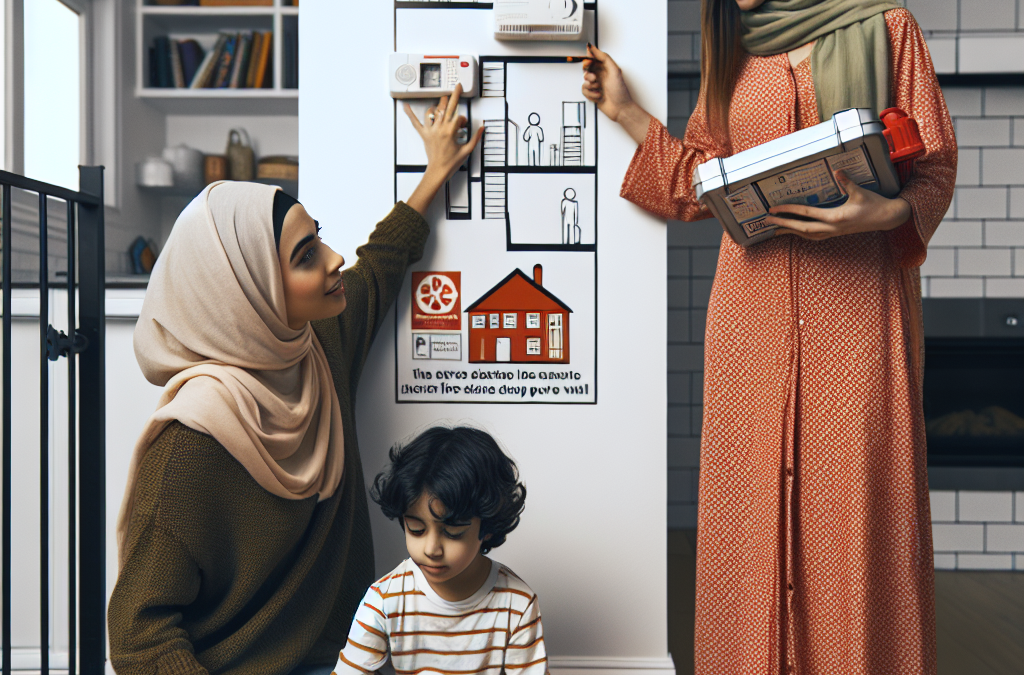
- 1. Basic Emergency First Aid Kit
- 2. Food and Water Supply Kit
- 3. Emergency Shelter and Sleeping Gear
- 4. Power and Communication Devices
- 5. Personal Hygiene and Sanitation Kit
- 6. Tools and Multi-Use Equipment Kit
- 7. Clothing and Weather-Preparedness Kit
- 8. Disaster-Specific Emergency Kits
- 9. Family Emergency Planning Kit
- 10. Pet Emergency Kit
1. Basic Emergency First Aid Kit
Why Every Home Needs a First Aid Kit
In any emergency, injuries can happen unexpectedly. Having a well-stocked emergency kits for home that includes a first aid kit is crucial. According to recent studies, nearly 60% of home accidents can be mitigated or treated promptly with proper supplies. A basic first aid kit enables you to manage cuts, burns, sprains, and other injuries until professional help arrives.
In 2025, smarter first aid kits are incorporating digital guidance, making it easier for non-medical individuals to administer life-saving assistance. It’s essential to regularly check your supplies and replace expired items. Additionally, consider including personal medications and allergy treatments tailored to your familyâs needs.
Essential Supplies to Include
- Adhesive bandages of various sizes
- Antiseptic wipes and ointments
- Sterile gauze pads and adhesive tape
- Antibiotic ointments, pain relievers, and antihistamines
- scissors, tweezers, and a digital thermometer
2. Food and Water Supply Kit
Preparing for Food and Water Shortages
In emergencies like natural disasters, access to clean water and food can be cut off for days or even weeks. An emergency kits for home should contain enough supplies to sustain your household for at least 72 hours, preferably longer. Remember, water is critical; the CDC recommends storing at least one gallon per person per day.
Thank you for reading this post, don't forget to subscribe NOW for FREE!

In 2025, advancements in food technology have led to longer-lasting, nutrient-dense options such as freeze-dried meals and water purification devices. Regularly rotating stored supplies ensures freshness and safety. Make sure your kit includes kid-friendly foods if you have children.
Top Recommendations
- Packaged bottled water (minimum 2 liters per person per day)
- Non-perishable canned foods with can openers
- Meal replacement bars and dried fruits
- Portable water purification tablets and filters
- Disposable utensils and emergency cooking supplies
3. Emergency Shelter and Sleeping Gear
Creating a Safe Haven at Your Home
In severe weather or natural disasters, shelter becomes a top priority. The emergency kits for home should include tents, sleeping bags, blankets, and tarps to create a safe space and protect your loved ones from the elements. Modern shelters are lightweight, durable, and easy to deploy, making them ideal for quick setup.
Being prepared with versatile gear allows your family to stay warm and protected even if your home becomes uninhabitable temporarily. Emergency shelters should be compact enough to store easily yet reliable to withstand harsh conditions.
Product Recommendations and Tips
- Emergency sleeping bags rated for cold weather
- Heavy-duty tarps and ground cloths
- Compact portable tents designed for emergency use
- Extra blankets and thermal clothing
- Portable heaters (battery-operated) and fire-starting tools
4. Power and Communication Devices
Staying Connected When It Matters
Power outages are common during storms, earthquakes, or other emergencies. Reliable emergency kits for home include backup power sources such as battery packs, solar chargers, and hand-crank radios. These devices help you stay informed and maintain communication with rescue services, family members, and neighbors.
In 2025, portable solar panels and power banks have become more efficient and affordable, ensuring you can keep your essential devices charged. Itâs wise to have a battery-powered or hand-crank radio with NOAA weather alerts integrated.
Preparation Tips
- High-capacity portable power banks with multiple ports
- Solar chargers compatible with smartphones and tablets
- Battery-operated or hand-crank radios with weather alerts
- Extra batteries for flashlights and radios
- Emergency contact list and important documents stored digitally on secure devices
5. Personal Hygiene and Sanitation Kit
Maintaining Hygiene During Emergencies
Good hygiene is vital to prevent illness during crises. An emergency kits for home that includes toiletries, sanitation supplies, and cleaning agents can make a significant difference. Itâs easy to overlook this need, but access to sanitation prevents the spread of disease.
In 2025, eco-friendly and compact hygiene products are increasingly popular. Consider including hand sanitizers, moist towelettes, biodegradable waste bags, and personal hygiene items for children and seniors. Proper sanitation also helps maintain mental well-being in stressful scenarios.
Key Items to Include
- Antibacterial soap and hand sanitizer
- Toilet paper, moist wipes, and sanitary pads
- Portable washing basin and laundry supplies
- Disposable gloves and face masks
- Cleaning disinfectants and garbage bags
6. Tools and Multi-Use Equipment Kit
Versatile Tools for Disaster Management
An emergency kits for home should contain essential tools to manage damage, perform repairs, and aid in rescue efforts. Multi-use tools like Swiss Army knives, screwdrivers, pliers, and duct tape are invaluable. They empower even non-experts to fix or improvise solutions during crises.
In 2025, smart tools with integrated LED lights, Bluetooth connectivity, and digital measurement have become mainstream. These innovations improve efficiency and safety during emergency response efforts.
Must-Have Tools
- Multitools with knives, files, and screwdrivers
- Flashlights and headlamps with extra batteries
- Manual can openers and portable saws
- Rope, bungee cords, and duct tape
- Emergency whistles and signal mirrors
7. Clothing and Weather-Preparedness Kit
Protecting Your Family from the Elements
Weather in 2025 continues to be unpredictable. An effective emergency kits for home must include versatile clothing â layered attire, waterproof jackets, sturdy shoes, and thermal wear. Proper clothing reduces the risk of hypothermia and heat-related conditions during disasters.

Another tip is to store spare clothing and blankets in waterproof containers, accessible in floods, storms, or extreme cold. Personal comfort and safety depend on adequate weather protection.
Recommendations for Clothing
- Thermal underwear and moisture-wicking base layers
- Waterproof jackets and sturdy, insulated boots
- Extra socks and hats for warmth or sun protection
- Rain ponchos and quick-drying clothes
- Personal protective masks and gloves
8. Disaster-Specific Emergency Kits
Tailoring Your Kits to Common Disasters
Different emergencies require specialized supplies. For example, earthquake kits should include sturdy shoes, helmets, and levitating tools, while flood kits focus on waterproof gear and flotation devices. Preparing disaster-specific emergency kits for home ensures you’re ready for the unique challenges.
In 2025, predictive analytics and climate data help households anticipate the most likely events in their area. This tailored approach optimizes resource allocation and improves response effectiveness.
Examples of Specialized Kits
- Earthquake kit: helmets, sturdy shoes, emergency contact cards
- Flood kit: waterproof container, floatation devices, waterproof clothing
- Power outage kit: backup power sources, battery-operated devices, lighting
- Wildfire kit: N95 masks, goggles, fire-resistant clothing
9. Family Emergency Planning Kit
Staying Prepared as a Family
An effective emergency kits for home isnât just about supplies â itâs about planning. Your family should have a communication plan, designated meeting points, and emergency contacts. Document all procedures and keep copies in your kit.
In 2025, digital solutions such as shared cloud documents and emergency apps facilitate seamless communication and planning. Regular drills help everyone understand their roles and reduce panic during actual crises.
What to Include in Your Family Plan
- Crash course on basic first aid and CPR
- Contact lists with multiple communication methods
- Location of closest shelters and safe zones
- Emergency kit inventories and maintenance schedules
- Special needs considerations, like medications and pet care
10. Pet Emergency Kit
Donât Leave Your Pets Behind
Pets are family members, and their safety during emergencies is equally important. An emergency kits for home should include pet food, water, medications, and comfort items. Remember, many shelters donât accept pets, so prepare a portable pet shelter or carrier in advance.
In 2025, pet-focused emergency supplies have become more accessible. Consider including GPS tags, vaccination records, and collapsible water bowls to streamline rescue efforts and ensure your pets remain safe.
Pet Kit Essentials
- Pet food and water for at least 72 hours
- Medication and veterinary records
- Leash, harness, and carrier
- Comfort items like blankets and toys
- Waste disposal bags and sanitizer
Frequently Asked Questions
1. How often should I update my emergency kits for home?
Itâs recommended to review and update all supplies every 6 to 12 months. Check expiration dates, replace used items, and adapt kits based on changing family needs. In 2025, new smart sensors can help track freshness and inventory levels automatically.
2. What items are essential for a comprehensive home emergency kit?
Items like first aid supplies, water, non-perishable food, shelter gear, power sources, hygiene products, tools, clothing, communication devices, and specialized items based on your region are essential. Customizing your kits ensures preparedness for various scenarios.
3. How can I ensure my emergency kits for home are effective in a real crisis?
Regular practice drills, maintaining up-to-date supplies, and creating family communication plans improve efficacy. Additionally, educating all household members on emergency procedures enhances responsiveness during actual events.
4. Are emergency kits for home suitable for pet owners?
Absolutely. Pet owners should include pet-specific supplies in their kits. Preparing ahead reduces stress and increases the chances of safely evacuating or sheltering with your pets.
5. What are the benefits of customizing emergency kits for home based on regional risks?
Customizing kits according to local threatsâsuch as earthquakes, floods, or hurricanesâensures you have appropriate supplies and strategies, ultimately increasing safety and resilience in 2025 and beyond.
In conclusion, investing in and maintaining well-prepared emergency kits for home is a vital step toward safeguarding your loved ones in 2025. From first aid to pet safety, each component plays a crucial role in resilience. Remember, preparedness is an ongoing process, and staying informed helps you respond effectively during any crisis. Take action today to build comprehensive emergency kits and ensure your familyâs safety tomorrow.




