- 1. Develop a Comprehensive Emergency Plan
- 2. Build an Emergency Supplies Kit
- 3. Stay Informed with Reliable Alerts
- 4. Strengthen Your Home Against Disasters
- 5. Know Your Community Resources
- 6. Practice Drills Regularly
- 7. Educate Your Family and Neighbors
Knowing how to prepare for disaster is more critical than ever as we face increasing threats from natural calamities, cyber-attacks, and other emergencies in 2025. Being proactive and ready can make a significant difference in ensuring your safety and minimizing damage. In this article, Iâll share seven effective strategies that you can implement today to be prepared for any disaster that might come your way.
1. Develop a Comprehensive Emergency Plan
Understanding the Importance of Planning
Creating a well-thought-out emergency plan is the first step in understanding how to prepare for disaster. Your plan should cover evacuation routes, communication strategies, and specific needs for your family members. In 2025, with the increasing frequency of extreme weather events, having a plan tailored to your local risks is essential.
Start by mapping out multiple evacuation routes from your home and workplace. Discuss with your family what to do in different scenarios such as floods, wildfires, or power outages. An emergency plan reduces chaos during a crisis and helps everyone stay on the same page when it matters most.
Thank you for reading this post, don't forget to subscribe NOW for FREE!

Make sure your plan includes contact information, meeting points, and roles for each family member. Keep a printed copy accessible and store digital copies securely. Remember, a good plan is useless if not practiced regularly.
Customizing Your Emergency Strategy
Customizing your plan based on your location and personal circumstances is crucial. For example, if you live in a hurricane-prone region, your plan should include specific steps for storm preparation and evacuation. Conversely, urban dwellers should focus on shelter-in-place strategies for power outages or civil unrest.
Stay updated on local emergency protocols and ensure your plan aligns with current recommendations. Using resources like the FEMA website or local disaster management agencies can provide valuable insights. Regular review and updates to your plan are vital to stay prepared for evolving threats in 2025.
Tools like emergency planning apps can also assist in customizing and sharing your plan with trusted contacts, ensuring everyone knows their roles.
2. Build an Emergency Supplies Kit
Essential Items for Your Kit
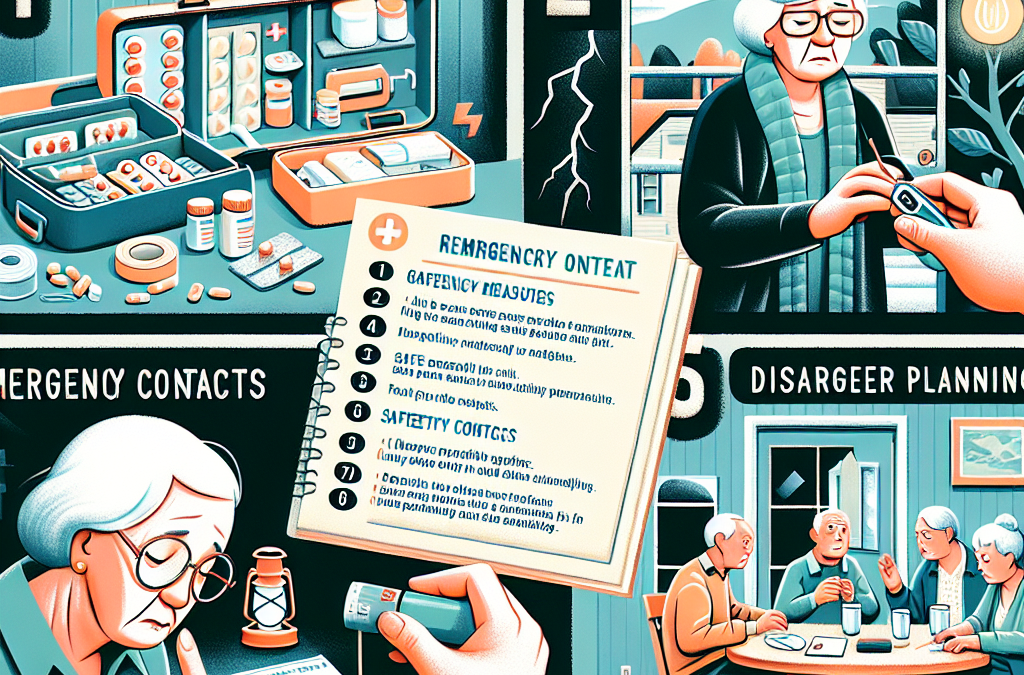
One of the most practical steps in how to prepare for disaster is assembling a comprehensive emergency supplies kit. Your kit should contain enough essentials to sustain your family for at least 72 hours. Focus on water, non-perishable food, first aid supplies, and personal hygiene items.
According to recent studies, having a minimum of one gallon of water per person per day is vital. Store at least three daysâ worth of food, including canned goods, granola bars, and other long-lasting items. Donât forget flashlights, batteries, a multi-tool, and a battery-powered radio to stay informed during outages.
Include any special needs items such as medications, baby supplies, pet food, and sanitation products. Properly organizing your kit in an accessible container ensures quick retrieval when disaster strikes.
Maintaining and Updating Your Supplies
Regularly check expiration dates on food and medications, replacing items as needed. In 2025, new survival tools and portable technologies are emerging that can enhance your readinessâconsider investing in solar chargers or portable water purifiers.
Itâs also wise to have a smaller secondary kit for your vehicle and workplace. Keep a list of all supplies and review it quarterly. A well-maintained kit is a cornerstone of effective disaster preparedness and will save you time and stress in an emergency.
3. Stay Informed with Reliable Alerts
Using Technology to Your Advantage
Understanding how to prepare for disaster involves staying informed through trusted sources. In 2025, technology offers numerous options for real-time alerts such as government notifications, weather apps, and social media channels.
Sign up for local emergency alert systems like FEMAâs Wireless Emergency Alerts (WEA), and download reputable weather apps that provide timely updates and safety tips. Enable notifications so you get instant warnings about approaching storms, earthquakes, or other hazards.
Additionally, following official social media accounts ensures you receive verified information that can help you make quick decisions during crises. Prioritizing reliable sources reduces the risk of misinformation and confusion.
Practicing Alert Activation
Don’t just set alertsâregularly test them to ensure they work on your devices. Make it part of your emergency drill routine to verify that everyone recognizes alert sounds and understands the necessary response. Familiarity with warning signals is crucial in reducing panic and ensuring safety.
In 2025, I recommend integrating smart home technologyâsuch as connected smoke and carbon monoxide detectorsâthat can send alerts directly to your phone. Staying informed is essential to effective disaster preparedness.
4. Strengthen Your Home Against Disasters
Structural Improvements
Knowing how to prepare for disaster also involves fortifying your home. Structural modifications can significantly reduce damage and increase safety during hurricanes, earthquakes, or floods. Retrofitting your house with storm-resistant windows, reinforced doors, and proper roofing can make a real difference.
Seismic reinforcements, such as securing heavy furniture or installing safety braces, are equally important in earthquake-prone areas. Consult with local experts to identify the best upgrades tailored to your region’s risks.
In 2025, innovative materials like impact-resistant glass and flood barriers are becoming more accessible and cost-effectiveâthese can be valuable investments to improve resilience.
Preventive Maintenance and Safety Checks
Regular inspections of your home’s electrical, plumbing, and roofing systems help prevent disaster-related accidents. Clear gutters of debris, fix leaks, and ensure proper drainage away from your foundation to prevent flooding.
Installing surge protectors and backup power solutions like generators can keep your essential systems running during outages. These preventive measures are crucial parts of learning how to prepare for disaster effectively.

Document your homeâs safety features and keep a maintenance checklist. Staying proactive minimizes unexpected failures during emergencies.
5. Know Your Community Resources
Local Emergency Services and Shelters
Part of understanding how to prepare for disaster is knowing the resources available in your community. Locate nearby emergency shelters, hospitals, and fire stations, and keep their contact info handy.
Many communities in 2025 now have designated safe zones, especially in flood-prone or wildfire areas. Familiarize yourself with these locations and their procedures. Participating in local preparedness events can also give you insights into community plans and support systems.
Building relationships with neighbors and local authorities enhances collective resilience. In times of disaster, community cooperation often saves lives and streamlines response efforts.
Accessing Support & Assistance
If you or your family have special needs, it’s essential to register with local emergency management agencies. Many places offer assistance programs for elderly residents, those with disabilities, or limited mobility.
Keep emergency contacts, medical records, and assistance details updated. Knowing where to turn for help makes your disaster response more effective and less stressful.
In 2025, digital platforms are improving how communities coordinate aidâstaying connected ensures you’re not left behind during crises.
6. Practice Drills Regularly
The Value of Repetition
Practice makes perfectâthis holds true even for disaster preparedness. Regular drills help you understand how to prepare for disaster efficiently, reducing panic and confusion during actual emergencies. The more familiar you are with your plan and supplies, the faster your response will be.
Schedule family drills every six months, simulating different scenarios such as fire, earthquake, or flood. Include practice of evacuation routes, communication plans, and using emergency supplies.
Review what went well and identify areas for improvement after each drill. Updating your procedures based on real experience enhances overall readiness.
Collaborating with Others on Preparedness
Encourage neighbors and community groups to organize joint drills. Communities that practice together foster cooperation and shared knowledge. In 2025, these collective efforts can magnify individual preparedness and quicken evacuation or response times during critical events.
Leverage local, state, or national volunteer organizations that provide training and resources. Engaging in ongoing education keeps your skills sharp and your knowledge current with evolving threats.
Remember, practicing how to respond is one of the most effective ways to ensure how to prepare for disaster becomes second nature.
7. Educate Your Family and Neighbors
The Importance of Community Awareness
In our final tip on how to prepare for disaster, I want to emphasize education. Properly informing your family and neighbors about potential risks and preparedness strategies creates a more resilient community in 2025.
Share your emergency plan, supplies, and safety tips with loved ones. Organize neighborhood meetings to discuss how everyone can contribute to collective safety. A well-informed community can better manage crises and support vulnerable members.
Educational campaigns, social media outreach, and local workshops are powerful tools for raising awareness. The more people know, the stronger our overall disaster response will be.
Conclusion
Knowing how to prepare for disaster in 2025 is about foresight, planning, and ongoing practice. By developing comprehensive emergency plans, building supplies kits, staying informed, and strengthening your home and community, you can significantly enhance your safety and resilience. Remember, preparedness is an ongoing processâregular updates and drills keep you ready for whatever 2025 might bring. Take action today to secure your future and ensure youâre as prepared as possible for any disaster scenario.
Frequently Asked Questions
1. What are the most important steps to learn how to prepare for disaster?
The most important steps include developing an emergency plan, building a supplies kit, staying informed, and practicing drills regularly.
2. How often should I review my disaster preparedness plan?
Review and update your plan at least twice a year, or whenever significant changes occur in your circumstances or local risks.
3. What should I include in my emergency supplies kit for 2025?
Essential items include water, non-perishable food, first aid supplies, batteries, flashlight, personal hygiene products, medications, and any specific needs for your family.
4. How can I learn how to prepare for disaster in my community?
Attend local workshops, participate in community drills, connect with local authorities, and join neighborhood safety groups to learn more about your community resources and plans.
5. Why is practicing emergency drills important?
Practicing drills helps you familiarize yourself with your plan, reduces panic during real emergencies, and identifies areas where improvements are needed to enhance overall safety.
Related Content
- 10 Effective disaster readiness tips to Stay Safe in 2025
- Disaster Preparedness 101: Everything You Need to Know
- 5 Essential Steps to Disaster Preparedness: Are You Ready
- Disaster Preparedness 101: Everything You Need to Know
- Preparedness and Safety: Essential Strategies for Home and Community Resilience