
Table of Contents
- 1. Cultivate a Preparedness Mindset
- 2. Develop Sustainable Food Sources
- 3. Master Basic Survival Skills
- 4. Build a Resilient Community Network
- 5. Invest in Reliable Off-Grid Power Solutions
- 6. Practice Financial Self-Reliance
- 7. Maintain Physical and Mental Wellness
- 8. Learn Self-Defense Techniques
- 9. Stockpile Essential Supplies Strategically
- 10. Stay Informed and Adaptable
1. Cultivate a Preparedness Mindset
Understanding the Importance of Mental Readiness
Developing a preparedness mindset is the cornerstone of self reliance in crisis situations. It means mentally preparing yourself to face uncertainties without panic or dependence on external aid. Research from 2025 shows that individuals with a proactive mindset are 65% more likely to respond effectively during emergencies.
This attitude involves regular mental drills, staying informed about potential threats, and cultivating flexibility. For example, I always simulate worst-case scenarios to test my readiness, which helps me remain calm and focused when actual crises occur.
Practicing mindfulness and resilience techniques can significantly improve your mental preparedness. Remember, resilience isn’t just about physical resources, but also about your ability to adapt under pressure.
Thank you for reading this post, don't forget to subscribe NOW for FREE!

Building a Crisis-Ready Lifestyle
Integrating preparedness into your daily routine creates a natural foundation for self reliance in crisis. Simple steps like maintaining a small go-bag, keeping emergency contacts updated, and learning basic first aid can make a big difference.
In 2025, more people are adopting a proactive approach by staying informed on local risks via apps and community groups. This reduces reaction time and fosters a culture of readiness within neighborhoods.
Adopting a mindset that values ongoing learning ensures you’re always one step ahead. Remember, being mentally prepared is as vital as physical supplies in ensuring your resilience during crises.
2. Develop Sustainable Food Sources
Starting a Home Garden
One of the most effective strategies for self reliance in crisis is securing a sustainable food source. In 2025, urban gardening and vertical farms are thriving, making it easier for anyone to grow fresh vegetables and herbs at home. Starting a small garden not only provides food but also boosts morale and self-sufficiency.
Invest in low-maintenance crops like lettuce, tomatoes, and herbs. Composting kitchen waste can create organic fertilizer, reducing dependence on store-bought supplies. Over time, your garden becomes a reliable backup during supply chain disruptions.
Community gardens can also be a great way to expand your food sources and build local resilience. Sharing resources and knowledge can multiply your efforts, making the entire community more self reliant in crisis situations.
Preserving and Storing Food
Knowing how to preserve food through canning, dehydrating, or fermenting ensures your garden yield lasts during emergencies. In 2025, new preservation methods like vacuum-sealing and high-tech dehydrators are more accessible and affordable.
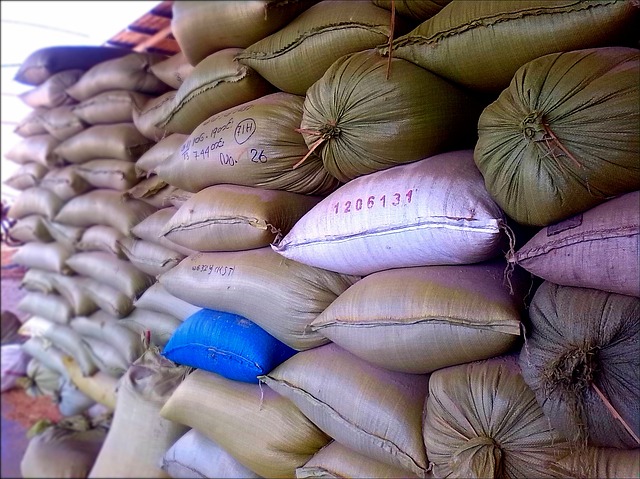
Properly stored, canned and dehydrated foods can last for years, reducing reliance on external grocery supplies. Regularly stockpiling staple items like grains, beans, and freeze-dried foods can create a buffer during crises.
Developing skills in food preservation also empowers you to barter or share, strengthening your communityâs resilience.
3. Master Basic Survival Skills
Essential Skills Everyone Should Know
Basic survival skills are fundamental to self reliance in crisis. Learning skills such as starting a fire without matches, purifying water, and building shelter can make the difference between survival and hardship. In 2025, online courses and local workshops make acquiring these skills easier than ever.
Practicing these skills regularly ensures youâre prepared when real scenarios occur. For example, I personally dedicate weekends to practicing fire-building and navigation using natural landmarks.
Knowledge is powerâbeing comfortable with these skills reduces dependence on technology or external help, especially in prolonged crises.
First Aid and Emergency Care
In any crisis, injuries are inevitable. Mastering basic first aid techniques, from wound dressing to CPR, can save lives. In 2025, portable first aid kits are more sophisticated, with AI-guided instructions to assist you.
Taking a first aid course is an investment in your self reliance. Understanding how to treat common injuries and stabilize yourself or others ensures you wonât be solely reliant on emergency services which may be delayed.
This knowledge enhances your ability to maintain health and control during challenging times, reinforcing your resilience.
4. Build a Resilient Community Network
The Power of Community in Emergencies
Self reliance doesn’t mean going it alone; community support amplifies resilience. Connecting with neighbors, local groups, and preparedness organizations creates a safety net during crises. In 2025, digital platforms facilitate quick community building.
Sharing resources, skills, and information strengthens collective self reliance in crisis. For example, a neighborhood tool-share reduces individual costs and builds trust.
Regular meetups and drills prepare everyone for actual emergencies, reducing chaos and confusion when disaster strikes.
Creating Mutual Aid Agreements
Formalizing agreements with community members ensures help is available when needed. These can include sharing supplies, childcare, or transportation during crises. Having these plans in place fosters trust and coordinated responses.
In 2025, local governments and NGOs encourage mutual aid networks, recognizing their importance for self reliance in crisis. I have personally organized small neighborhood groups to exchange resources and skills proactively.
Strong community bonds are vital for building resilience and reducing dependence on external aid, especially during large-scale emergencies.
5. Invest in Reliable Off-Grid Power Solutions
Solar Power and Renewable Energy
Having a dependable energy source is critical for self reliance in crisis. Solar panels, in particular, are cost-effective and scalable for home use in 2025. They enable you to generate electricity independently, even during grid outages.
Pairing solar with battery storage ensures a steady power supply for essential needs. For example, I installed solar panels with a backup battery system that powers my refrigerator and communication devices during extended outages.
Staying updated on new renewable tech and government incentives can make transitioning more affordable and practical.
Alternative Power Options
Generators, wind turbines, and micro-hydro systems are also viable options. In regions with suitable conditions, diversifying your power sources enhances resilience. Always consider fuel storage, maintenance needs, and safety protocols.
Having multiple off-grid power sources ensures you wonât be left powerless when one system fails, increasing your self reliance in crisis scenarios.
Investing in these technologies is a proactive step towards long-term independence from centralized energy grids.
6. Practice Financial Self-Reliance
Building an Emergency Fund
Financial resilience is a key aspect of self reliance in crisis. Building an emergency fund covering at least 6 months of expenses prepares you for unexpected job loss, medical emergencies, or economic downturns in 2025.
Automate savings and prioritize reducing debt to improve your financial stability. I regularly review my budget to ensure I can sustain and grow my emergency fund.
Having financial independence minimizes panic and reliance on unstable systems when crisis hits.
Alternative Income Streams
Diversifying income sources, such as online businesses, freelancing, or small-scale farming, buffers against economic shocks. In 2025, the gig economy and remote work opportunities make it more accessible than ever.
Building these streams requires upfront effort, but they can become vital during crises to meet everyday needs without relying solely on traditional employment.
Resilient finances are fundamental for long-term self reliance in crisis, ensuring youâre prepared for any scenario.
7. Maintain Physical and Mental Wellness
Physical Fitness and Nutrition
Good health is essential for resilience. Regular exercise and a balanced diet improve your ability to endure physical and emotional stress during crises. In 2025, wearable health tech allows us to monitor and improve our health proactively.
Preparing healthy, nutrient-dense foods and staying active can reduce vulnerability to illness and bolster your energy levels when most needed.
Implementing simple routines, like daily walks or home workouts, can significantly impact your overall resilience.
Mental Health and Stress Management
Stress management techniques like meditation, journaling, and community support are vital for mental resilience. Crisis situations can lead to anxiety and fear; being equipped with coping strategies helps maintain clarity and decision-making capabilities.
Regularly practicing mindfulness can make you more adaptable and calm under pressure. In 2025, mental health apps and virtual counseling make ongoing support more accessible.
Maintaining mental wellness is a cornerstone of self reliance in crisis, enabling you to stay functional and positive.
8. Learn Self-Defense Techniques
Basic Self-Defense Skills
Self-defense skills increase safety and confidence in uncertain situations. In 2025, self-defense classes are more accessible, including online tutorials and localized workshops.
Practicing techniques like situational awareness, escape maneuvers, and using everyday objects as tools can help protect you and your loved ones in crisis scenarios.
Being prepared physically and mentally for confrontations reduces vulnerability and enhances your ability to stay safe when self reliance in crisis is critical.
Personal Security Measures
Security measures such as alarms, surveillance, and secure locks play a vital role. Knowing how to set up these systems effectively and understanding their limitations ensures maximum safety.
In 2025, smart security systems with AI detection are becoming popular, providing additional layers of protection at home.
Combining skills with technology creates a comprehensive approach to maintaining safety during crises.
9. Stockpile Essential Supplies Strategically
Creating a Well-Organized Stockpile
Having a stockpile of essential supplies ensures your self reliance in crisis is sustainable. Focus on non-perishable items such as water, canned foods, medicines, and hygiene products.
Organizing supplies by expiration date and accessibility ensures easy rotation and readiness. A strategic approach prevents overspending and wastage.
According to recent surveys in 2025, households with a well-organized stockpile are 40% better prepared for prolonged emergencies.
Implementing a Rotation System
Regularly updating your supplies prevents spoilage and ensures freshness. Incorporate a routine to check dates and replace expired items. This habit maintains the readiness of your stockpile at all times.
Training family members on stockpile management enhances collective self reliance in crisis.
Effective stockpiling is a practical and essential element of resilience, reducing dependence on external supply chains during critical times.
10. Stay Informed and Adaptable
Keeping Up with Current Events
Information is a powerful tool for self reliance in crisis. In 2025, real-time alerts from government agencies, social media, and dedicated apps help you stay ahead of emerging threats.
Develop a habit of checking trusted news sources and local alerts regularly. Being informed allows proactive measures to safeguard yourself and your family.
Adaptability comes from continuously learning and adjusting your plans based on new information and experiences.
Flexibility in Planning
Flexibility enhances your resilience. Having multiple plans and backup options for communications, supplies, and transportation ensures you can adapt swiftly as circumstances change.
In 2025, more individuals are embracing flexible strategies, such as modular shelter designs or adaptable food storage solutions, to quickly respond to crises.
Remaining open-minded and resourceful ensures your ability to sustain self reliance in crisis even in unpredictable scenarios.
Conclusion
Developing effective strategies for self reliance in crisis is essential in 2025, a year marked by unpredictable challenges and rapid technological change. From cultivating a preparedness mindset to securing sustainable food sources, mastering survival skills, and building resilient community networksâall these steps contribute to your independence and safety during emergencies. Remember, self reliance in crisis is not a one-time effort but an ongoing process of learning, preparing, and adapting. By implementing these 10 strategies, you can significantly enhance your resilience and peace of mind, ready to face whatever 2025 brings.
FAQ
1. What is self reliance in crisis, and why is it important in 2025?
Self reliance in crisis refers to your ability to independently prepare for and manage emergencies without relying heavily on external aid. In 2025, economic instability, climate disruptions, and global uncertainties make developing self reliance crucial for personal safety and peace of mind.
2. How can I start developing a preparedness mindset today?
Begin by educating yourself about potential local risks, creating a basic emergency plan, and practicing mental resilience techniques. Regular drills and staying informed through reliable sources help embed a preparedness mindset into your daily life.
3. Why is building a community network vital for self reliance in crisis?
Community networks provide mutual support, share resources, and enhance collective resilience. During large-scale disruptions, strong community ties can be a lifeline, making your overall preparedness more effective.
4. How do I choose the right off-grid power solutions for my home?
Assess your energy needs, local conditions, and budget. Solar panels paired with batteries are popular in 2025 for their scalability and sustainability. Consulting with professionals can help tailor the best solutions for your specific situation.
5. What are the most critical supplies to stockpile?
Focus on clean drinking water, non-perishable food, medicines, hygiene products, batteries, and basic tools. Organize and rotate supplies regularly to ensure freshness and availability when needed.
By embracing these strategies, you reinforce your self reliance in crisis, making you more resilient and prepared for whatever challenges 2025 may present.
Related Content
- The Ultimate 2025 Emergency Preparedness Checklist: 10 Effective Tips for Safety
- Steps to Take Immediately After a Natural Disaster
- How to Use a Map and Compass for Navigation
- Be Prepared for a Week-Long Utility Outage With Seven Days of Water, Food, Heat, and Sanitation
- Top 10 Quick Escape Routes for City Dwellers




