In a world where natural disasters can strike without warning, being prepared is not just smart; it’s essential. Whether it’s hurricanes, earthquakes, floods, or wildfires, understanding how to navigate these crises could mean the difference between chaos and survival. Let’s delve into the key components of disaster preparedness that can help safeguard you and your loved ones.
*Understanding the Risks: Identifying Potential Disasters in Your Area**
The first step in disaster preparedness is recognizing the specific threats that loom over your community. Different regions face unique challenges—coastal areas may contend with hurricanes and flooding, while fault lines predispose others to earthquakes. Research local history and consult resources like FEMA or your state emergency management agency for insight into what disasters are most likely in your area. Being informed about past events will enable you to anticipate future risks and prepare accordingly.
*Creating Your Emergency Plan: Essential Steps for Every Household**
Once you’ve assessed potential dangers, it’s time to develop an emergency plan tailored for your household. This plan should encompass various scenarios—from a sudden evacuation to sheltering in place during a storm. Start by identifying safe meeting points outside of your home where family members can regroup if separated. Establish communication protocols; choose an out-of-town contact who can help relay information when local lines are down. Lastly, regularly practice drills so everyone knows their role—familiarity breeds confidence when panic sets in.
*Building Your Survival Kit: Must-Have Supplies for Any Emergency**
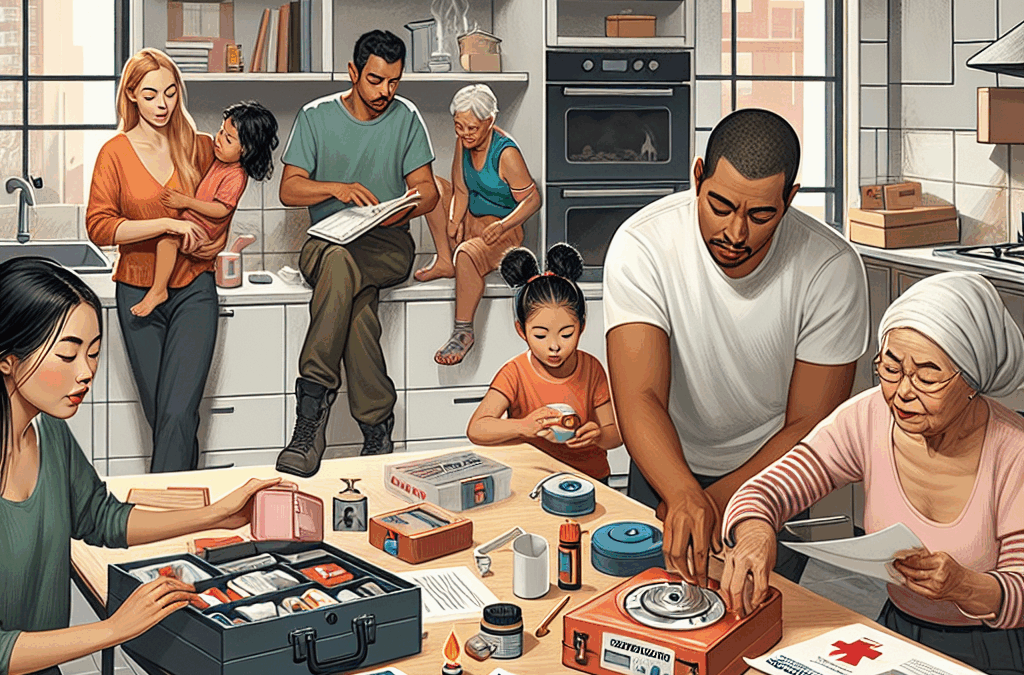
A well-stocked survival kit is a cornerstone of effective disaster readiness. Aim for a kit that contains at least 72 hours’ worth of supplies for each family member. Essential items include non-perishable food items (think granola bars or canned goods), water (one gallon per person per day), a flashlight with extra batteries, a first-aid kit, personal hygiene products, and any necessary medications. Don’t forget important documents stored securely—things like identification cards, insurance policies, and medical records should be easily accessible yet protected from damage.
*Staying Informed: Leveraging Technology and Resources for Real-Time Updates**
In today’s digital age, information flows rapidly—and during emergencies, this is crucial. Utilize apps designed for emergency alerts from reliable sources such as the National Weather Service or local news stations; they deliver real-time updates right to your smartphone. Social media platforms also become invaluable tools during crises; connecting with local groups can provide timely insights from neighbors experiencing unfolding events firsthand.
*Community Resilience: Collaborating with Neighbors for Enhanced Preparedness**
Finally, don’t underestimate the power of community! Collaborating with neighbors enhances overall resilience against disasters. Organize neighborhood meetings to discuss individual plans and share resources—this fosters trust and support networks that are indispensable in times of crisis. Consider creating a community resource list detailing skills among residents—like medical training or construction expertise—which can be called upon when needed.
Thank you for reading this post, don't forget to subscribe NOW for FREE!

Disaster preparedness isn’t just about individual actions; it’s about fostering collective strength within communities too! By understanding risks, crafting thorough plans, assembling essential kits, staying informed through technology, and cultivating neighborly bonds—all while remaining adaptable—you’ll be far better equipped to weather any storm life throws at you. Remember: It pays to be prepared!




