
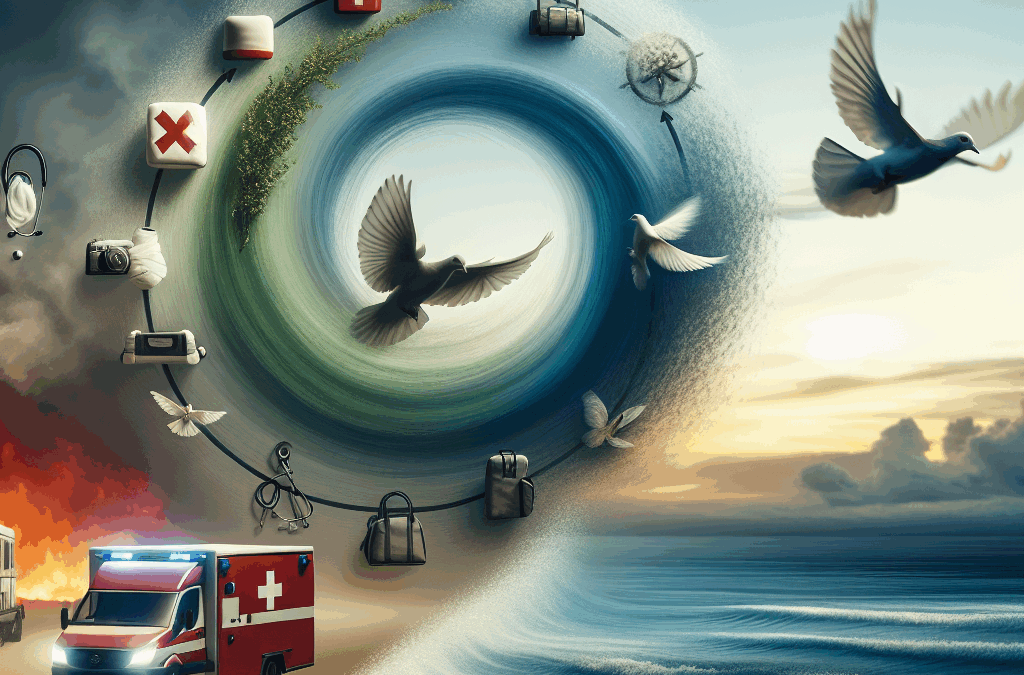
When disaster strikes, the difference between chaos and calm often hinges on one critical factor: preparedness. In a world where natural disasters, health emergencies, and unexpected crises can unfold at any time, understanding the need for emergency preparedness is paramount. It’s not just about weathering a storm; it’s about ensuring safety, maintaining peace of mind, and safeguarding loved ones.
The first step in this journey is recognizing the potential risks that could affect your area. Every community faces unique threats—from hurricanes and earthquakes to wildfires and floods. Take time to assess your specific environment: Are you in a flood zone? Is there a history of earthquakes? By identifying these hazards, you can tailor your preparation efforts accordingly. Understanding what might happen is crucial in developing a proactive approach rather than merely reacting when it’s too late.
Once you comprehend your risks, it’s time to build an emergency kit—your lifeline during an unforeseen situation. Essential supplies should include water (one gallon per person per day for at least three days), non-perishable food items, a flashlight with extra batteries, first-aid supplies, hygiene products, and vital documents securely stored in waterproof bags. Don’t forget items specific to family needs—medications or pet supplies can make all the difference when time is of the essence. Regularly check expiration dates and update contents as necessary; an outdated kit is hardly better than none at all.
Creating a family emergency plan transforms abstract ideas into actionable strategies. This involves establishing clear communication channels among family members to ensure everyone knows how to reach one another during a crisis. Designate meeting spots—both close by and further afield—in case evacuation becomes necessary. Having multiple routes mapped out minimizes confusion when seconds count.
Staying informed is essential amid emergencies that often evolve rapidly. Equip yourself with reliable resources for real-time updates; local news stations, emergency management websites, and mobile apps can keep you connected with vital information regarding weather alerts or evacuation orders. Consider investing in a NOAA Weather Radio which provides continuous broadcasts of weather information directly from national weather service offices.
Finally, remember that preparedness isn’t merely about having supplies but also about practicing them regularly. Conduct drills with your family so everyone knows their roles during an emergency scenario—be it evacuating the house due to fire or knowing how to respond during an earthquake. Repetition builds confidence; familiarity breeds assurance amidst chaos.
Thank you for reading this post, don't forget to subscribe NOW for FREE!

Engaging in training sessions can enhance skills like first aid or CPR certification that may save lives when every second counts.
In conclusion, transitioning from panic to peace requires commitment and foresight. By understanding your risks, assembling comprehensive kits, crafting an effective plan for communication and evacuation strategies while staying informed through trusted resources—and practicing regularly—you empower yourself and those around you against uncertainty’s unpredictability.
Emergency readiness isn’t just about surviving; it’s about thriving amid adversity!
Related Content
- Buy High Quality Survival Kits To Brave Emergencies
- Preparedness for Uncertain Times: Essential Steps for Building Resilience
- The Impact of Climate Change on Disaster Preparedness
- The Ultimate Guide to 2025 Preparedness Skills List: 10 Effective Tips to Stay Ready
- How to Cope with Isolation During Emergencies




