Table of Contents
- 1. First Aid Supplies
- 2. Non-Perishable Food
- 3. Water Filtration and Storage
- 4. Emergency Shelter and Blankets
- 5. Portable Power Sources
- 6. Personal Protective Equipment
- 7. Communication Devices
- 8. Knowledge and Survival Guides
- 9. Transportation and Mobility Supplies
- 10. Security and Self-Defense Items
1. First Aid Supplies
Essential First Aid Kit Components
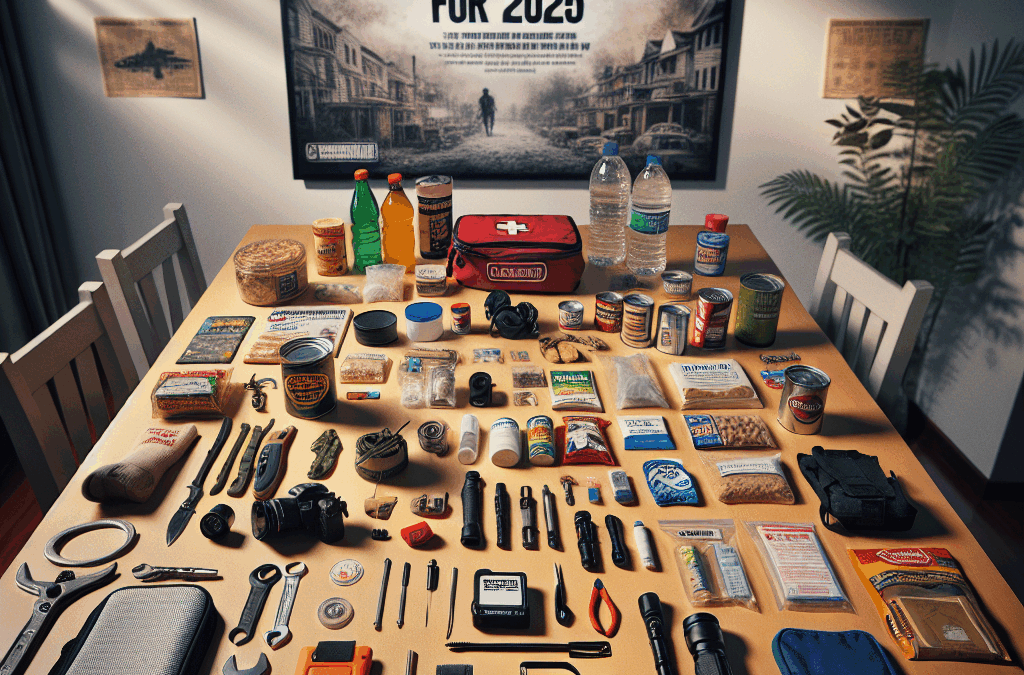
A well-stocked preparedness kit begins with comprehensive first aid supplies. In 2025, innovative medical supplies have become compact and lightweight, making it easier to carry a wider variety of items. Bandages, antiseptic wipes, and antiseptic creams are staples, but consider adding multi-use tools like trauma shears and emergency blankets.
Research shows that having immediate access to first aid supplies can significantly improve health outcomes during emergencies. Be sure your kit includes gloves, scissors, tweezers, and a thermometer. Additionally, specialized medications such as antihistamines or epinephrine auto-injectors could be lifesaving, especially if you have allergies.
Thank you for reading this post, don't forget to subscribe NOW for FREE!

Remember to replace expired items annually and customize your kit based on individual needs. For example, include children’s supplies or medications for chronic conditions. A detailed inventory checklist can help you maintain readiness at all times.
Storing and Maintaining Your Supplies
Proper storage is crucial. Use waterproof, airtight containers to keep supplies clean and dry. Label everything clearly for quick access in high-stress situations. Regularly checking and rotating your first aid kit ensures all items are in working order, especially as inventory items approach expiration dates.
In 2025, smart technology integration allows for digital inventory management through mobile apps, reminding you when supplies need replacing. This tech helps prevent forgetfulness and ensures your preparedness kit remains ready for use whenever needed.
Practical Tips for First Aid Readiness
Enroll in basic first aid and CPR courses annually to stay updated. Simulate emergency scenarios at home to familiarize yourself with your supplies and procedures. Being confident in your ability to use your first aid kit can make all the difference in an emergency.
2. Non-Perishable Food
Choosing the Right Food Items
For a robust preparedness kit in 2025, non-perishable food options are vital. Stock up on canned goods, dried fruits, nuts, and energy bars. Opt for products with long shelf livesâmany now last 10+ yearsâbecause they ensure your sustenance during extended emergencies.
Focus on balanced nutrition: include protein sources, carbohydrates, and essential vitamins. Freeze-dried meals and vacuum-sealed items are excellent options due to their portability and durability. Consider adding special dietary items for children or individuals with allergies.
Planning meal portions in your preparedness kit helps minimize waste and ensures you have enough supplies for at least two weeks. Constantly rotate stock and discard expired items to maintain freshness and safety.
Proper Storage and Organization
Store non-perishable food in a cool, dry place away from direct sunlight. Use stackable containers or vacuum-sealed bags to maximize space and keep pests out. Label each container with purchase and expiration dates for easy management.
Organize your food supplies in compartments based on type or family member, aiding quick access during stressful situations. Consider keeping a manual can opener and eating utensils within the kit for convenience.
Technology has improved shelf-life management; smart storage containers now track expiration dates digitally, alerting you when to replace items. This innovation greatly simplifies maintaining a ready-to-eat food supply in 2025.

3. Water Filtration and Storage
Water Purification Technologies
Access to clean water is paramount in any preparedness kit. In 2025, advanced water filtration devices such as portable UV purifiers and multi-stage filters have become more compact and efficient. These innovations enable you to purify unknown water sources quickly and reliably.
Having backup options like chemical water treatment tablets or portable distillers ensures redundancy. Be mindful of the capacity and filtration speedâchoose a unit suited for your family size and typical emergency scenarios.
Always carry extra batteries or solar-powered chargers to keep filtration devices operational. Regularly test and maintain your filtration systems to ensure longevity and effectiveness.
Water Storage Solutions
Storing adequate water reserves is critical. The general recommendation is at least one gallon per person per day, for at least three days. In 2025, sleek, collapsible water containers and modular storage tanks allow easy storage and transport.
Label stored water with purchase or sterilization dates, and rotate stocks to prevent stagnation. Purify stored water periodically using your filtration system as a safeguard against contamination.
Incorporate a plan for replenishing water supplies, especially during long-term crises, using local sources or community systems for sustained access.
Frequently Asked Questions
1. What should be included in a preparedness kit for 2025?
A comprehensive preparedness kit for 2025 should include first aid supplies, non-perishable food, water filtration and storage devices, emergency shelter, portable power sources, personal protective equipment, communication devices, survival guides, transportation tools, and security items. Tailor the kit to your specific needs and local risks.
2. How often should I update my preparedness kit?
It’s recommended to review your preparedness kit at least every six months. Check for expired items, replace used supplies, and update based on new technology or changing family needs. Staying current ensures your kit remains reliable in an emergency.
3. Why is a preparedness kit important for 2025?
Global climate shifts, economic uncertainties, and evolving disaster patterns in 2025 make having a fully stocked preparedness kit essential. It helps ensure safety, comfort, and survival during unexpected events, giving you peace of mind.
4. How do I choose the best water filtration device for my kit?
Consider capacity, weight, speed, and ease of use. UV purifiers are great for quick sterilization, while multi-stage filters handle various contaminants. Read reviews and select a device compatible with your typical water sources.
Conclusion
Building the ultimate preparedness kit for 2025 is a vital step toward ensuring safety and resilience in the face of uncertainties. By carefully choosing, maintaining, and updating your suppliesâranging from first aid gear to water purificationâyou can confidently face any emergency. Remember, preparedness isn’t just about stockpilingâit’s about readiness, knowledge, and peace of mind. Start assembling your kit today and stay prepared for whatever 2025 has in store!
Related Content
- Preparing for Wildfires: Essential Tips and Strategies
- The Risks of Depending Solely on Internet Preparedness Advice: Common Pitfalls and Misguided Practices
- Don’t Wait for the Worst: How to Build Your Emergency Preparedness Plan
- How to Prepare for Unexpected Weather Disasters
- Stay Calm and Act Fast: Unconventional Emergency Evacuation Tips for Every Situation




