Table of Contents
- Prioritize Essential Items
- Understand Your Risks
- Customize Your Emergency Kit
- Regularly Update Your Supplies
- Invest in Quality Equipment
- Include Power and Communication Devices
- Maintain Your Emergency Supplies
- Educate Your Family
- Store Supplies Properly
- Have a Family Emergency Plan
1. Prioritize Essential Items
Identify Basic Needs
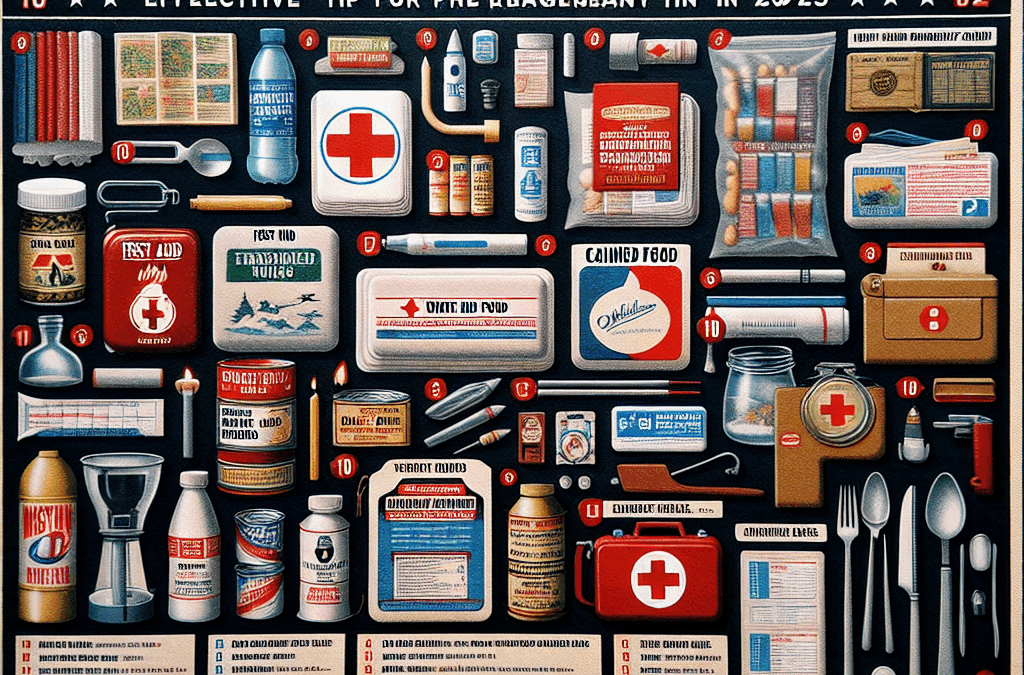
When assembling your emergency preparedness supplies, the first step is to identify what you truly need to survive and stay comfortable during a disaster. Essentials include water, non-perishable food, first aid kits, clothing, and shelter. In 2025, with increased climate unpredictability, focusing on these core items is more critical than ever. Remember, your safety depends on having these basics readily available.
Think about where you live and the specific hazards you may faceâfloods, earthquakes, hurricanesâand tailor your supplies accordingly. For example, if youâre in a flood-prone area, waterproof or elevated storage is essential for your supplies. Prioritizing these items ensures youâre prepared for a variety of emergencies.
Finally, consider the number of people in your household. An emergency preparedness supplies kit should be sufficient to support everyone comfortably and safely, including pets if you have them. This personalized approach makes your emergency kit more effective in 2025 and beyond.
Thank you for reading this post, don't forget to subscribe NOW for FREE!

Maintain a Balance Between Quantity and Quality
It can be tempting to hoard supplies, but quality matters more than quantity. Investing in high-quality, durable items can make a difference in times of crisis. For instance, a sturdy, reliable water filtration system can provide clean drinking water if your regular supply runs out.
In 2025, the trend is leaning toward eco-friendly and multi-use supplies to reduce waste and increase versatility. A good example is rechargeable battery-powered flashlights versus disposable ones. They are cost-effective and environmentally friendly in the long run.
Always remember that your emergency preparedness supplies should be sufficient but not excessiveâfocus on the essentials and quality to ensure your safety during any unforeseen event.
2. Understand Your Risks
Assess Local and Personal Threats
One of the most crucial steps in preparing for 2025 is understanding what natural and man-made hazards are most relevant to your location. Do you live near fault lines, flood zones, or wildfire-prone areas? Knowing this allows you to tailor your emergency preparedness supplies accordingly.
Research local disaster history and forecasts to better understand the types of emergencies most likely to impact you. For example, coastal residents should prioritize supplies for hurricanes, while those inland might focus on tornado preparedness.
With climate change increasing the frequency and intensity of certain disasters, staying informed through local authorities and updates is essential. This proactive approach helps you develop a more effective emergency kit and plan.
Customize Your Supplies for Specific Risks
Once you understand your risks, you can customize your emergency preparedness supplies to address those specific threats. For example, wildfire-prone areas require smoke masks and extra water rations, while areas with frequent floods benefit from waterproof storage and evacuation plans.
Dealing with a predictable risk, like winter storms, means including warm clothing, snow shovels, and ice melt in your kit. Conversely, urban environments may demand specialized items, such as port-a-potties or urban survival tools.
Building a dynamic, risk-informed emergency kit maximizes your preparedness for 2025, reducing panic and confusion in real emergencies.
3. Customize Your Emergency Kit
Consider Household Size and Needs
Your emergency preparedness supplies should be personalized based on who lives in your home. For families with infants or elderly members, include specific needs such as baby formula, medications, or mobility aids. Customization ensures everyoneâs safety and comfort.
For example, a family of four might need a weekâs supply of food and water per person, plus extra for pets. Tailoring your kit makes it more practical and efficient in 2025âs unpredictable environment.
Don’t forget to include entertainment and comfort items to reduce stress during extended emergencies, especially for children. Think books, games, or charging devices for electronics.
Choose the Right Storage Solutions
Proper storage is key for your emergency supplies. Use durable, waterproof containers that can withstand rough handling and protect your items from damage. Label everything clearly for quick access in stressful situations.
Consider maintaining multiple smaller kits for different locationsâhome, car, workplaceâso youâre prepared regardless of where you are when disaster strikes.
By customizing your storage options and contents in 2025, youâre better equipped to respond swiftly and confidently during an emergency.
4. Regularly Update Your Supplies
Set a Schedule for Reviews
One often overlooked aspect of effective emergency preparedness is routine updates. Set a scheduleâevery 6 months or annuallyâto review your supplies, check expiration dates, and replenish any used items. In 2025, supply chain disruptions can impact availability, making proactive management critical.
This routine check ensures your emergency preparedness supplies remain functional and relevant to current needs and threats. For example, medications may expire, batteries drain, and perishable food can spoil.
Additionally, update your kit with new gadgets, safety gear, or items reflecting advances in emergency technology and best practices to stay ahead of potential risks in 2025.
Stay Informed on New Requirements and Trends
Stay updated with the latest guidelines from emergency agencies and organizations specializing in disaster preparedness. New standards or recommended supplies may emerge as science and technology advance.
Follow reputable sources such as FEMA, Red Cross, or local government agencies for updates. Joining local community groups or online forums can also offer insights about recent developments.
Regular updates to your emergency preparedness supplies ensure you’re using the most effective, safest, and current items available in 2025.
5. Invest in Quality Equipment
The Long-Term Value of Durable Gear
Quality emergency preparedness supplies ultimately save money and stress over time. High-grade gear, such as reliable first aid kits and sturdy water containers, outperform cheaper alternatives in critical moments.
In 2025, technological innovations mean you have access to smarter, more durable equipmentâsolar-powered chargers, compact water filters, and weather-resistant supplies. These investments greatly enhance your readiness and safety.
Remember, the goal is for your supplies to function flawlessly when needed. Opt for trusted brands and tested products, even if they come with a higher price tag.
Benefits of Professional-Grade Supplies
Professional-grade supplies are designed to meet strict safety standards and withstand harsh conditions. For example, fire-resistant blankets or military-grade flashlights can make a significant difference during a crisis.
High-quality supplies often come with warranties or guarantees, showing their reliability. This peace of mind is invaluable when your safety depends on your emergency preparedness supplies.
In summary, investing in the best equipment is a smart move for 2025 and onwards, ensuring your preparedness is robust, reliable, and ready for any disaster.
6. Include Power and Communication Devices
Stay Powered During Emergencies
Power outages are common in many disasters, making backup power sources essential. In 2025, solar chargers, portable generators, and power banks are popular options to keep your devices functional.
For example, a solar-powered charger can keep your phone or medical devices charged without relying on grid power, crucial for staying connected and informed.
Always test your power supplies regularly to ensure they work when needed. Having multiple options increases your resilience during prolonged emergencies.

Reliable Communication Tools
Staying connected with family and emergency services can be lifesaving. Two-way radios, satellite phones, or robust mobile network apps should be part of your emergency preparedness supplies.
In 2025, advancements in communication technology mean many devices are now more compact, affordable, and eco-friendly. These tools help you coordinate evacuations or seek help when traditional networks are down.
Ensure all family members know how to operate these devices, and keep backups ready for any scenario.
7. Maintain Your Emergency Supplies
Routine Checks for Longevity
Consistent maintenance is key to your emergency preparedness success. Regularly check your supplies for damage, expiration, or deterioration, especially perishable items like food and medications.
In 2025, smart labeling and inventory apps can simplify tracking your suppliesâ status. These tools help you stay on top of what needs to be replenished or replaced.
Keeping your supplies in good condition means you’ll be confident theyâll work when you need them most, reducing last-minute panic.
Practice Using Your Equipment
Not only should supplies be functional, but you also need to know how to use them effectively. Conduct practice drills with your family to familiarize everyone with the emergency kit and communication devices.
This familiarity reduces stress during actual emergencies and ensures everyone understands their role. Additionally, itâs a chance to identify any gaps or needs for additional training.
Consistent maintenance and practice keep you prepared, confident, and ready for any unforeseen event in 2025.
8. Educate Your Family
Safety and Response Training
Knowledge is power when it comes to emergency preparedness supplies. Conduct regular training sessions with your family to teach them about your emergency plan, use of supplies, and evacuation procedures.
In 2025, virtual training modules and community workshops make it easier to stay updated and skilled. Practice scenarios help everyone remain calm and effective during actual events.
Empowering your loved ones with this knowledge maximizes your collective safety and ensures your emergency preparedness supplies are used efficiently.
Building Family Communication Plans
Have clear, simple communication plans in place. Ensure everyone knows how to reach each other, where to meet, and what to do if separated. Keep emergency contacts accessible, both digitally and physically.
Include important information like medical needs, allergies, and favorite contact methods. Regular reviews and drills reinforce these plans.
Preparing your family in 2025 with this knowledge ensures a coordinated and swift response during times of crisis.
9. Store Supplies Properly
Optimal Storage Environments
The way you store your emergency preparedness supplies directly impacts their longevity and effectiveness. Use cool, dry, and dark locations to prevent damage from humidity, heat, or sunlight.
Proper storage containersâairtight and waterproofâprotect your supplies from pests, moisture, and physical damage. Store critical items in easily accessible locations with clear labeling.
For example, a dedicated emergency kit closet or basement shelf ensures quick access when disaster strikes.
Organize for Quick Access
Organization saves precious time during an emergency. Use watertight bins, color-coded labels, or inventory sheets to locate items efficiently. Regularly familiarize yourself with the layout of your stored supplies.
In 2025, digital inventory management tools can help track your supplies and alert you before expiration or depletion. These systems ensure your emergency preparedness supplies remain ready when needed.
Proper storage and organization are crucial for maintaining an effective emergency plan for 2025 and beyond.
10. Have a Family Emergency Plan
Develop Clear Protocols
An emergency preparedness supplies kit is only part of the equation. Developing a comprehensive family emergency planâcovering evacuation routes, meeting points, and communication proceduresâis equally vital.
Work together to create written and visual plans, practice drills, and review them regularly. In 2025, consider digital copies and mobile apps for quick access.
This preparation reduces chaos and confusion, ensuring everyone knows what to do and where to go during a disaster.
Practice and Review Regularly
Regularly practicing your plan is essential. Schedule drills at least twice a year, involving all family members. These exercises help identify weaknesses and reinforce response behaviors.
Debrief after each drill to improve your strategies and update supplies or procedures as needed. Staying proactive ensures your family remains resilient in the face of emergencies.
A well-practice emergency plan, combined with effective emergency preparedness supplies, significantly increases your safety and peace of mind in 2025.
Frequently Asked Questions
What are the most important emergency preparedness supplies for 2025?
The most vital supplies include water, non-perishable food, first aid kits, batteries, flashlights, communication devices, and warm clothing. Tailor these to your specific risks and household needs.
How often should I update my emergency preparedness supplies?
Itâs recommended to review and update your supplies every 6 months to a year. Check expiration dates, replace used or damaged items, and stay informed about new recommendations for 2025.
Why is investing in quality emergency supplies important?
High-quality supplies are more reliable, durable, and effective during emergencies. They ensure your safety and reduce the need for replacements, which may be difficult during crises in 2025.
How can I best organize my emergency preparedness supplies?
Use waterproof containers, label everything clearly, and store supplies in accessible locations. Regularly practice quick access and maintain an updated inventory for peace of mind.
What should be included in a family emergency plan?
Your plan should include evacuation routes, designated meeting points, communication strategies, and contact information. Regular drills help ensure everyone is prepared and knows their role.
Conclusion
In 2025, having the right emergency preparedness supplies is more important than ever. By understanding your risks, customizing and maintaining your supplies, investing in quality gear, and practicing your plans, you can greatly increase your resilience to disasters. Remember, your safety depends on the thoughtful preparation of your emergency preparedness supplies and family strategies. Stay proactive, stay informed, and be ready for whatever 2025 brings!
Related Content
- How to Prepare Your Home Like a Pro: Top 7 Tips for 2025
- Simple Emergency Prep: Essential Steps for Effective Readiness
- Fire Emergency Planning: Essential Steps for Effective Response and Safety
- The Reality of Prepping on a Limited Budget: Practical Strategies for Sustainable Preparedness
- Ready for Anything Checklist: Essential Supplies and Steps for Preparedness